How to Create a Logo for My Own Furniture Import Industry
In the world of furniture imports, your logo is more than just a design; it's the face of your brand. A unique, well-crafted logo can set you apart in a competitive market while communicating your brand's values and identity. Taking the DIY route for your logo creation can be a rewarding process. Let’s dive into how you can create a logo that truly reflects your furniture importing business.
Understanding Your Brand Identity
Before you even think about colors or fonts, it's vital to understand your brand identity. What does your furniture import business stand for?
Defining Your Business's Mission and Values
Start by determining the mission and core values of your business. Are you focused on sustainability, craftsmanship, luxury, or affordability? For instance, if your mission is to provide high-quality, sustainable furniture sourced from around the globe, your logo should reflect this ethos.
Researching the Furniture Import Market
Next, familiarize yourself with the furniture import market. Who are your target customers? Who are your competitors, and what are their logos like? Look at their style, color schemes, and overall branding. Understanding the market landscape will help you create a logo that resonates with potential customers while steering clear of clichés found in competitor branding.
Finding Inspiration for Your Logo
Now it’s time to get those creative juices flowing! How can you gather inspiration specific to the furniture import sector?
Exploring Logo Trends in Furniture Design
Current design trends can significantly influence your logo creativity. Minimalist designs are in vogue, often employing clean lines and simple motifs. Additionally, earthy tones and organic shapes may communicate your brand's dedication to nature and sustainability.
Creating Mood Boards for Visual Inspiration
Mood boards are an excellent tool for visual brainstorming. Gather images, colors, and textures that speak to your brand's essence. For example, if you import rustic wooden furniture, include images of natural landscapes and rustic decor that evoke warmth and earthiness.
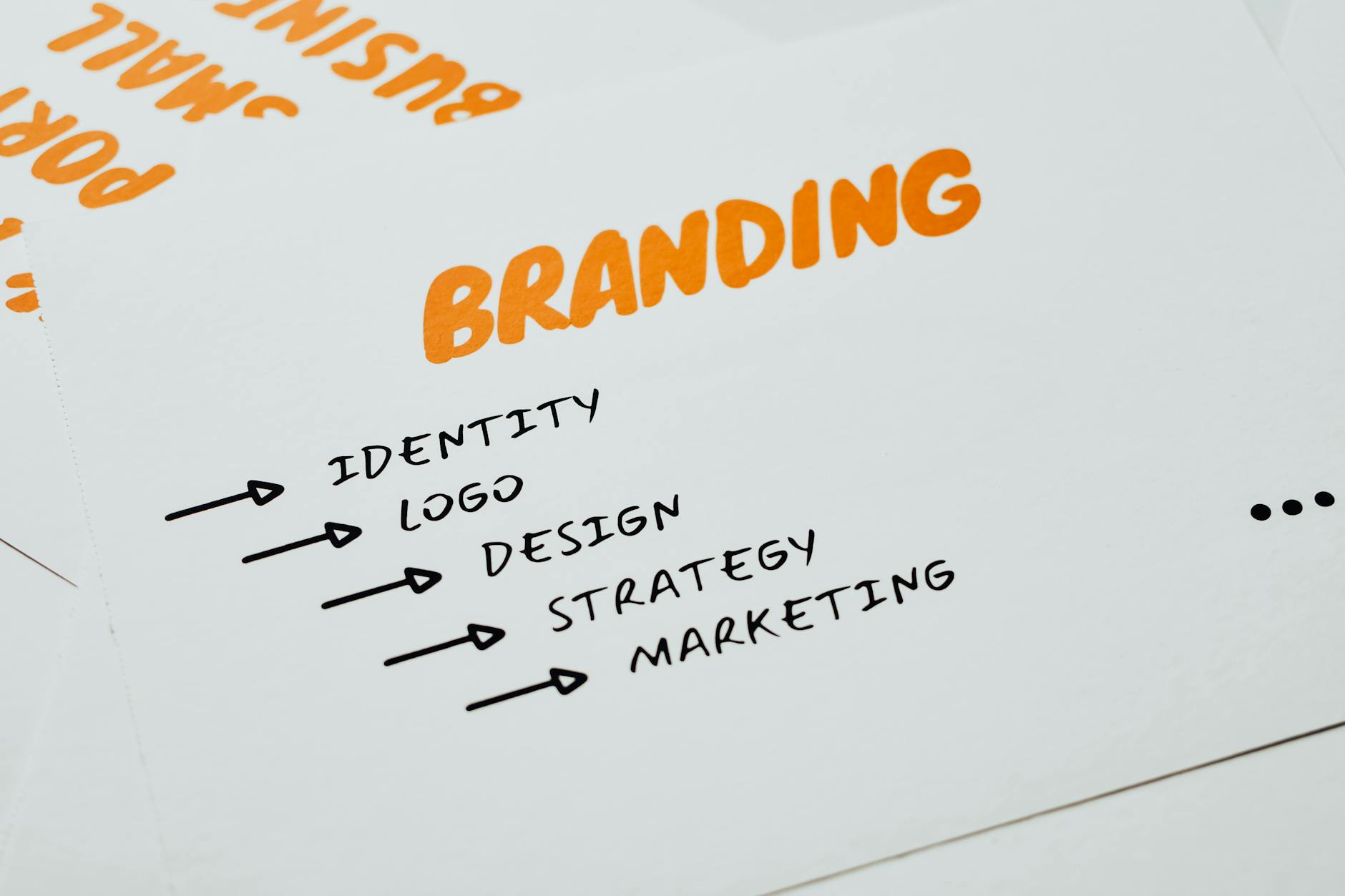 Photo by Eva Bronzini
Choosing the Right Logo Style
Every successful logo tells a story, and choosing the right style is key to conveying yours.
Minimalist vs. Detailed Logos
When deciding between a minimalist or more detailed logo, consider your audience. A clean, minimalist logo can communicate modernity and simplicity, ideal for a sleek, contemporary audience. Conversely, a detailed logo adorned with intricate designs might appeal to those who appreciate craftsmanship and quality.
Symbolic and Text-Based Logos
Decide whether you want a symbol, a text-based logo, or a combination of both. A logo symbol can encapsulate your brand identity effectively, while a wordmark (text-based) lets customers directly know who you are. For example, combining a stylized furniture piece as a symbol with your business name may reinforce brand recognition.
Designing Your Logo Using Logo Maker Shop
Creating your logo doesn’t have to involve complex software or extensive design experience. The Logo Maker Shop is an essential tool for straightforward logo creation.
Step-by-Step Guide to Using Logo Maker Shop
- Start with a Template: Choose a template that resonates with your style.
- Customize Your Design: Adjust colors, fonts, and symbols to align with your brand identity.
- Preview Your Logo: Check how your logo looks in different formats to ensure visibility and appeal.
Best Practices for Customizing Your Logo
Make your logo stand out by ensuring its uniqueness. Explore various designs and avoid settling on the first draft. Experiment with different configurations until your logo feels just right.
Choosing Colors and Fonts
Colors and fonts play a crucial role in your logo's effectiveness.
The Psychology of Color in Branding
Colors evoke emotions, and choosing the right ones can profoundly impact how potential customers perceive you. For example, green communicates growth and sustainability, while blue evokes trust and professionalism.
Selecting Fonts that Reflect Your Brand Personality
The font you choose also conveys a message. Sleek modern fonts convey simplicity, while rustic, handwritten fonts can signal warmth and craftsmanship. Choose what align with your brand message and customer expectations.
Finalizing Your Logo Design
Once you've created a draft, it's time to refine your logo.
Gathering Feedback from Potential Customers
Don't shy away from soliciting feedback. Share your logo with trusted friends, family, or potential customers to gain insights. Their opinions can provide valuable perspectives that may enhance your final design.
Ensuring Versatility and Scalability in Your Logo
Ensure your logo works across various platforms and mediums—from business cards to social media. A great logo should be legible and recognizable, whether it's on a large sign or a small business card.
Implementing Your Logo Across Marketing Materials
With your logo finalized, it's time to put it to work across your marketing assets.
Using Your Logo on Digital Platforms
Make sure your logo is prominently placed on your website and social media profiles. This consistency helps reinforce your brand identity in a crowded marketplace.
Incorporating Your Logo into Physical Products
Your branding shouldn’t stop online. Display your logo on packaging and furniture items. It can be a sticker on shipped products or even engraved in the furniture itself, making a lasting impression.
Conclusion
Creating a logo for your furniture import business is an exciting journey. You now have the tools to navigate this process effectively, from understanding your brand identity to utilizing the Logo Maker Shop for your design.
Your logo is the first impression customers will have of your brand—make it count! Start today and build a powerful visual identity that resonates with your target audience.

Michael Harper is a Senior Content Strategist at MarketInsider.co, a premier source for insights on digital marketing and business trends. With over 15 years of expertise in content development and strategic communications, Michael is renowned for his ability to craft compelling narratives that resonate with diverse audiences. He holds a Bachelor’s degree in Journalism from New York University and a Master’s degree in Business Administration from Columbia Business School. Outside of work, Michael is passionate about historical literature and enjoys hiking the trails of the Pacific Northwest.