How to Create a Logo for My Own Cinema Style
Creating a cinema-style logo is more than just assembling some graphics and text. It's about capturing the magic of movies and translating that into a visual identity that resonates with your audience. A well-crafted logo serves as the face of your cinema, helping establish your brand and connect with moviegoers on an emotional level.
Understanding the Essence of Cinema Branding
Your cinema logo should reflect the unique experience you offer. The film industry thrives on emotions and stories, and your logo should encapsulate that spirit. Think of your logo as a film poster—an invitation to an adventure that promises entertainment, thrills, and satisfaction.
Elements of Cinema Branding
Several key elements define a cinema logo:
- Imagery: Use images that evoke cinema, like film reels, clapperboards, or iconic silhouettes related to the movie industry.
- Typography: Choose fonts that complement your logo style. For instance, a vintage cinema might use classic serif fonts, while a modern cinema could opt for sleek, sans-serif styles.
- Color: Colors convey emotions. Bold reds can suggest excitement, while cool blues create a sense of calm and professionalism.
Defining Your Cinema Brand Identity
Before diving into design, it’s crucial to outline your cinema's unique identity. This clarity will guide your logo creation process.
Identifying Your Niche
What type of films will you showcase? Are you focusing on indie films, classic cinema, or blockbuster hits? Defining your niche helps determine the tone and style of your logo. For a family-friendly cinema, warm, inviting colors and playful fonts work well. For an art-house cinema, sophisticated color palettes and elegant typography may fit better.
Understanding Your Audience
Knowing who your audience is can shape your branding. Are your viewers teens looking for the latest blockbusters, or cinephiles seeking hidden gems? Tailor your logo to attract the right audience, making it visually appealing to their tastes and interests.
Gathering Inspiration for Your Logo
Inspiration can spring from various sources, especially in the vibrant world of cinema.
Researching Existing Cinema Logos
Look at successful logos from established cinemas. Analyze what makes them effective—consider their imagery, colors, and how they communicate their unique offerings. This research can help spark ideas for your logo.
Creating a Mood Board
A mood board is a fantastic way to visualize your ideas. Gather images, colors, and fonts that relate to cinema and your brand identity. This can be a source of inspiration, aiding you in aligning your concepts with the emotional experience you want to offer.
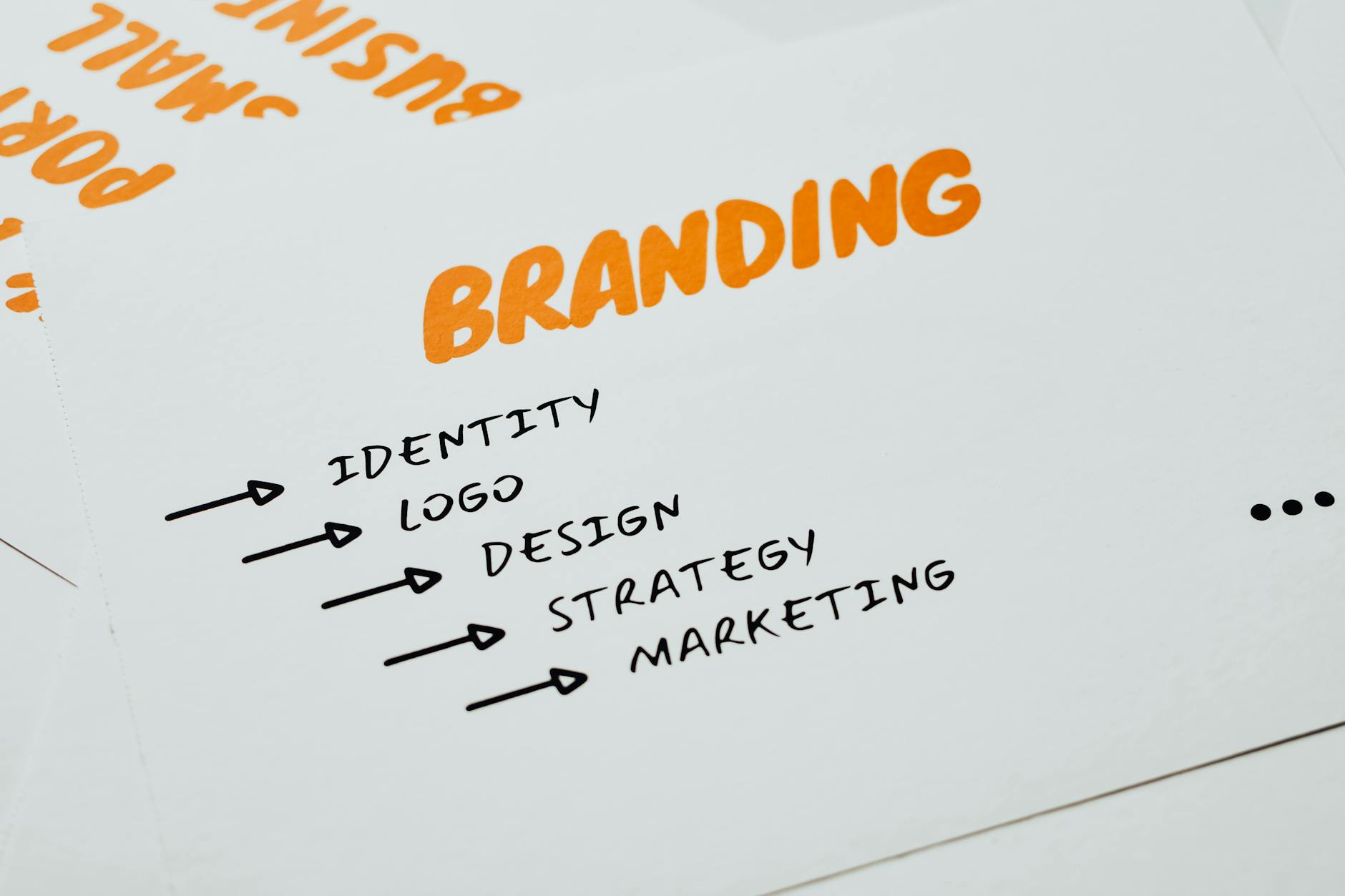 Photo by Eva Bronzini
Using Logo Maker Shop to Create Your Logo
Once you have a solid concept, it’s time to utilize tools that can bring your vision to life. One such powerful tool is the Logo Maker Shop.
Accessing the Logo Maker Tool
Navigating the Logo Maker Shop is simple. With an intuitive interface, you can start creating your logo by selecting from various templates and customization options that resonate with your cinema’s theme.
Utilizing Templates and Customization Options
The templates offered can jumpstart your design process. You can customize these templates to incorporate your chosen colors, fonts, and images. This flexibility allows you to create a unique logo that aligns with your brand identity while saving time in the design process.
Choosing the Right Colors and Fonts
The choice of colors and fonts can evoke specific emotions and characteristics associated with films.
Color Psychology in Cinema Logos
Consider how colors impact perception. For example:
- Red: Represents excitement and passion.
- Blue: Conveys trust and professionalism.
- Black and Gold: Suggests luxury and sophistication.
Choose colors that reflect the type of cinema experience you are creating.
Typography Choices for Film Branding
Fonts can communicate the personality of your brand. Elegant scripts can suggest sophistication, while bold, modern fonts can imply energy and excitement. Ensure the typeface aligns with your genre and audience.
Refining and Finalizing Your Logo
Designing your logo is just the beginning—you'll need to refine it for the best impact.
Gathering Feedback
Show your logo draft to friends, family, or potential audience members. Gather their opinions on the emotional impact and recognition factor of the design. Are the colors enticing? Does the imagery evoke cinema?
Making Adjustments Based on Feedback
Based on the feedback you receive, consider making changes to enhance your logo. This helps ensure your design resonates with your target audience and accurately reflects your brand.
Implementing Your Logo Across Platforms
Once your logo is finalized, it’s time to showcase it.
Creating Consistent Branding
Use your logo consistently across all marketing materials, from social media profiles to posters and website graphics. Consistent branding builds trust and familiarity with your audience.
Promoting Your Brand with Your Logo
Utilize your new logo in promotional campaigns. Consider creating merchandise like T-shirts or film posters that feature your logo. Engage your audience with contests or social media challenges encouraging them to share their experiences with your cinema.
Conclusion
Creating a cinema-style logo is an exciting journey that blends creativity with strategic planning. By understanding cinema branding, defining your unique identity, harnessing inspiration, and utilizing tools like the Logo Maker Shop, you can design a logo that captures the essence of your cinema. Now, it’s time to embark on this creative venture and make your mark in the film industry!

Michael Harper is a Senior Content Strategist at MarketInsider.co, a premier source for insights on digital marketing and business trends. With over 15 years of expertise in content development and strategic communications, Michael is renowned for his ability to craft compelling narratives that resonate with diverse audiences. He holds a Bachelor’s degree in Journalism from New York University and a Master’s degree in Business Administration from Columbia Business School. Outside of work, Michael is passionate about historical literature and enjoys hiking the trails of the Pacific Northwest.