Furniture Returns Industry Logo Design Ideas
In the competitive furniture returns industry, a unique logo is more than just a visual symbol; it embodies your brand's identity and core values. Your logo tells customers who you are and what you stand for, making it crucial for establishing trust and recognition. With a well-designed logo, you can enhance your business’s image and attract new clientele. Let’s dive into specific design ideas that can elevate your brand in this specialized sector.
Key Characteristics of Effective Logos in the Furniture Returns Industry
Creating a memorable logo starts with understanding what makes it effective. Here are the defining characteristics specifically tailored for the furniture returns industry.
Simplicity and Recognition
Simplicity is key when it comes to logo design. A clean and straightforward design not only aids in easy recognition but also enhances recall. Think of famous logos like Apple or Nike; their simplicity is a big part of their success. For your furniture returns logo, aim to use clear, uncomplicated shapes and fonts that customers can remember at a glance.
Color Psychology
Colors evoke emotions and can significantly affect customer perceptions. In the furniture returns industry, earthy tones like greens and browns communicate reliability and stability, while soft blues can evoke trust and calmness. Consider what feelings you want your brand to convey and choose your color palette accordingly. This doesn't just make your logo attractive; it also aligns customers' emotions with your brand values.
Relevance to Industry
Your logo should resonate with the nature of the furniture returns industry. Incorporating furniture-related imagery—like silhouettes of chairs or stylized depictions of home settings—can help customers immediately identify with what you offer. Think about integrating elements that reflect sustainability, such as trees or recycling symbols, to highlight your commitment to responsible practices.
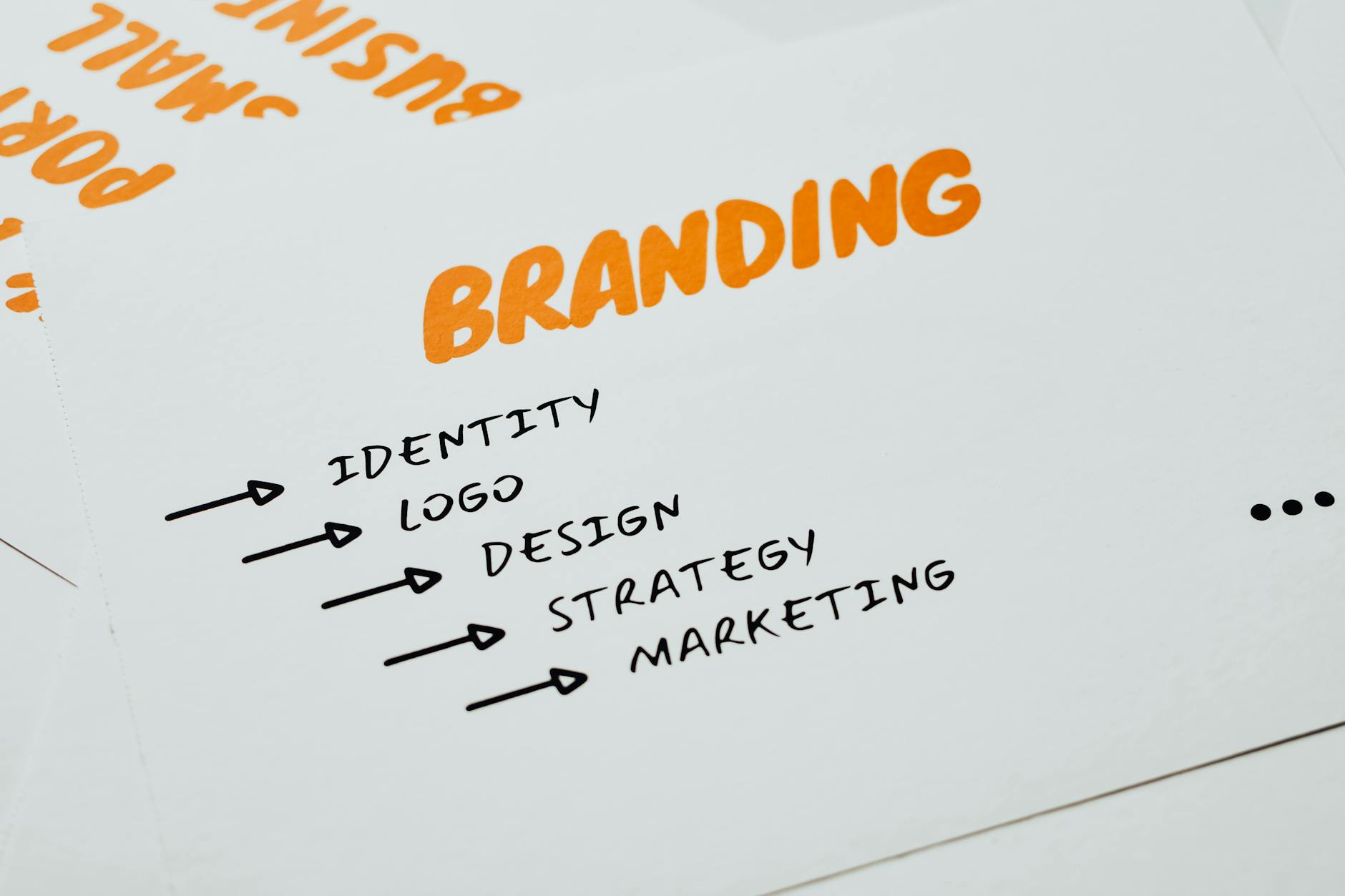 Photo by Eva Bronzini
Ideation Techniques for Logo Design
Brainstorming effective logo ideas can be an exciting yet daunting task. Here are some practical techniques to help spark creativity and refine your concepts.
Research and Inspiration
Begin your design process by researching existing logos in the furniture returns industry. Check out popular choices for inspiration. This doesn't mean copying; rather, it's about understanding trends and identifying what works. For instance, look at how conceptual logos use imagery and typography that resonates with the target audience.
Using Logo Maker Shop Tools
One of the best tools available for creating your logo is the Logo Maker Shop. It offers user-friendly features to help you design a logo tailored to your exact needs. Customizable templates provide a solid foundation, allowing you to play with elements until you find the perfect fit for your brand.
Feedback and Iteration
Feedback is a vital part of the design process. Once you’ve put together a few logo concepts, gather opinions from trusted colleagues or even potential customers. Their insights could reveal strengths or weaknesses in your design you hadn’t considered. Then, iterate based on that feedback to refine your logo further.
Visual and Conceptual Inspiration
Inspiration often comes from seeing what others have accomplished. Let’s explore recent trends and successful case studies to inspire your design process.
Current Design Trends
Keeping up with design trends can give you a modern edge. Minimalism, for example, is a strong trend where less truly is more. Take note of how negative space is used creatively to communicate ideas without clutter. Also, vintage and retro influences are making a comeback—consider how a nostalgic touch could resonate with your audience!
Case Studies of Successful Logos
Look at brands like IKEA, which effectively projects their identity through their logo. Their design communicates simplicity and modernity, aligning perfectly with their furniture-focused mission. Analyze what makes these logos memorable, and think about how to incorporate similar strategies into your design, adapting them to the furniture returns industry.
Practical Tips for Your Logo Design Process
Getting into the nitty-gritty of design can be overwhelming, but following these practical tips can help streamline the process.
Don’t Rush the Process
Creating a meaningful logo takes time, so don’t hurry. Think about your brand, its mission, and how you want it to be perceived. Allow yourself to explore various ideas and directions before settling on one. This deliberation often leads to unexpected yet brilliant design choices.
Emphasize Versatility
Your logo needs to be versatile, working well across various mediums—whether it's on a website, business card, or even social media. Ensure that your design looks great in color and monochrome and remains legible when resized. This adaptability will ensure your logo remains effective no matter where it’s displayed.
Conclusion: Creating an Impactful Logo
Designing a logo for the furniture returns industry can significantly impact your brand’s reception and longevity in the market. Emphasizing characteristics such as simplicity, relevance, and effective use of color can help forge a strong brand identity. Utilize tools like the Logo Maker Shop to take the next steps in this creative journey.
Next Steps in Logo Design
Feeling inspired? It’s time to explore more about creating your unique logo. Check out the resources from the Logo Maker Shop and dive into the world of logo design today. Your perfect logo awaits, ready to represent who you are in the furniture returns industry!

Michael Harper is a Senior Content Strategist at MarketInsider.co, a premier source for insights on digital marketing and business trends. With over 15 years of expertise in content development and strategic communications, Michael is renowned for his ability to craft compelling narratives that resonate with diverse audiences. He holds a Bachelor’s degree in Journalism from New York University and a Master’s degree in Business Administration from Columbia Business School. Outside of work, Michael is passionate about historical literature and enjoys hiking the trails of the Pacific Northwest.