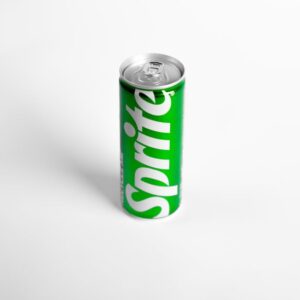
What is Typography Letters?
Typography letters are more than just the text you read; they’re a fundamental part of how we perceive brands and logos. In the world of design, typography is like the voice of a brand—it speaks to you long before any words are read. This article explores the significance of typography letters in branding and logo design, delving into their history, types, and how they influence brand perception.
Understanding Typography Letters
Typography letters play a vital role in design. They are not just about choosing a nice font; they encompass the selection of typefaces that reflect the essence of a brand. Whether it’s a sleek sans serif or an elegant script, the letters chosen can convey distinct messages and emotions.
The Basics of Typography
Typography involves several elements, including size, weight, style, and spacing. Size affects readability and emphasis. Weight, ranging from light to bold, can alter the mood of the text. Style, which includes italicization or underlining, adds personality. Spacing, both between letters and lines, can dramatically affect the overall look and feel of the text. Understanding these elements helps in creating designs that are not only visually appealing but also functionally effective.
The History of Typography
Typography has evolved significantly, from the early days of print to the digital era. Originally, typography was a labor-intensive process involving typesetting by hand. As technology evolved, so did typography, transitioning to digital platforms that allow for endless creativity and precision in design. This journey has given designers the tools they need to craft unique and impactful brand messages.
Types of Typography Letters
Exploring the different types of typography letters can help designers choose the right style for each brand. Different types serve different functions and evoke various emotions.
Serif vs. Sans Serif
Serif fonts, known for their decorative strokes, exude a classic and formal feel. They are often used in traditional brands or companies wanting to convey a sense of reliability and history. Sans serif fonts, on the other hand, are clean and modern, often chosen for tech companies or brands aiming for a contemporary look. The choice between serif and sans serif can significantly influence brand perception.
Display and Script Fonts
Display fonts are designed for headlines and titles, capturing attention with their bold and striking appearance. Script fonts, with their handwritten style, add a personal and artistic touch. These fonts are often used in logo design to create a unique and memorable brand identity.
Custom Typography Letters
Custom typography takes branding to the next level by creating typefaces specifically tailored to a brand’s identity. This approach ensures that a brand’s typography is as unique as its logo, enhancing recognition and recall. Custom typography can truly set a brand apart in a crowded marketplace.
The Importance of Typography in Branding
Typography letters are a crucial component in establishing brand identity and recognition. They do more than just convey information; they shape how a brand is perceived and remembered.
Creating Brand Recognition
Typography is instrumental in creating brand recognition. Consistent use of typefaces across all brand materials helps reinforce the brand’s identity, making it instantly recognizable to consumers.
Emotional Connection Through Typography
Different typography styles evoke different emotions. A bold, sans serif font might convey strength and modernity, while a soft script font can evoke warmth and elegance. Understanding font psychology is essential for designers aiming to connect with audiences on an emotional level.
Best Practices for Using Typography Letters
Effective use of typography requires careful consideration and planning. Here are some tips for using typography effectively in design.
Choosing the Right Font
Selecting the right font is more than just personal preference. It involves aligning the font with the brand’s values and the message it wants to convey. A tech company might choose a clean, modern sans serif, while a luxury brand might opt for a classic serif font.
Maintaining Consistency
Consistency in typography across various platforms is vital for brand integrity. Whether it’s a website, business card, or social media post, using the same typefaces and styles helps maintain a cohesive brand image. Consistent typography contributes to a recognizable brand identity.
Conclusion
Typography letters are an integral part of branding and logo design. They communicate much more than words; they convey the essence and personality of a brand. By understanding the basics of typography, exploring different types, and adhering to best practices, designers can create powerful and lasting brand identities that resonate with audiences.
In the dynamic world of branding, typography is a silent yet powerful storyteller. Whether you’re crafting a new logo or refreshing an existing brand, the right typography letters can make all the difference.
 Photo by Sandra Filipe