What is Typography Film Poster?
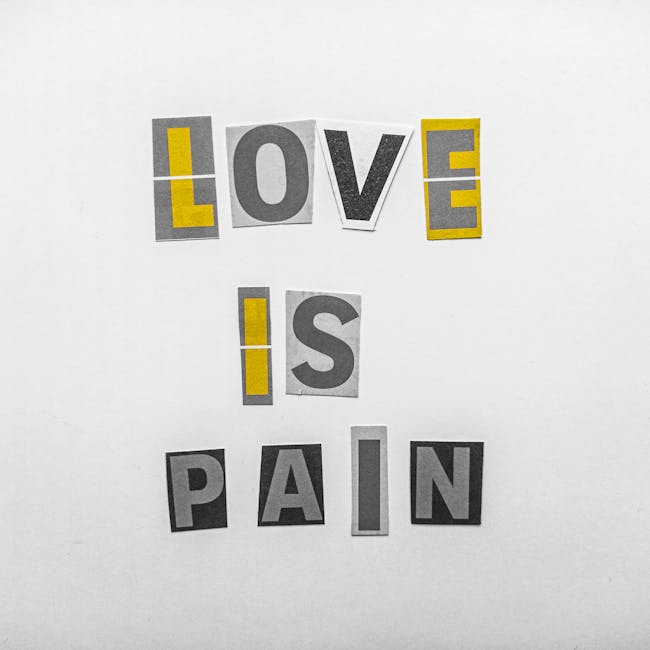
Typography film posters hold a unique place in the world of visual communication and branding. They are more than just marketing tools; they are a blend of art and design that convey the essence of a movie through text and imagery. How often have you been drawn to a film just by the allure of its poster? Typography plays a crucial role in this allure, setting the tone and capturing the imagination of potential viewers.
Understanding Typography in Film Posters
Typography in film posters is all about expressing the narrative and mood of a movie. It’s the art of using typefaces, layouts, and text arrangements to convey themes and emotions. When you see a poster, the typography often tells a story before you even read the words. This subtle communication is why typography is considered a critical component in the design of film posters.
The Evolution of Typography in Film Advertising
The journey of typography in film advertising is a fascinating one. Over the decades, typography has evolved from bold, blocky lettering of the early 20th century to the sleek, digitized styles of today. Each era reflects a shift in cultural aesthetics and technological advancements. For example, the art deco style of the 1920s embraced geometric shapes and symmetrical designs that captured the modernist spirit of the time.
Key Elements of Typography in Film Posters
Creating a compelling typography film poster involves several key elements:
-
Font Selection: Choosing the right font is paramount. It needs to reflect the film’s genre and tone. A horror film might use jagged, distressed fonts, while a romantic comedy might opt for something more whimsical and light-hearted.
-
Hierarchy: This involves arranging text so that the most important information stands out. Viewers should immediately know the movie title, followed by key actors or directors.
-
Layout: A well-organized layout ensures that the text and images complement each other. This balance is crucial for both aesthetic appeal and effective communication.
Case Studies of Iconic Typography Film Posters
Some film posters have become iconic due to their use of typography. They serve as benchmarks for effective design and branding.
The Godfather: A Typeface Legacy
The Godfather’s poster is a classic example of how typography can leave a lasting legacy. The typeface, with its distinctive serif and vertical lines, exudes an aura of authority and tradition, perfectly reflecting the film’s themes of power and family.
Psycho: Minimalist Typography
Alfred Hitchcock’s Psycho poster uses minimalist typography to great effect. The stark, sans-serif typeface echoes the film’s minimal score and suspenseful narrative. This choice of typography creates a tension that mirrors the film’s psychological intensity.
Creating Effective Typography Film Posters
Designing your own typography film poster? Here are some practical tips to guide you.
Selecting the Right Typeface
Choosing a typeface is like picking an outfit; it should fit the occasion. Consider the film’s mood and genre. A thriller might benefit from sharp, angular fonts, while a period drama might opt for elegant, flowing scripts. This article dives into how typography trends influence poster design.
Balancing Text and Imagery
A successful poster seamlessly integrates text with imagery. The text should not overpower the visuals, and vice versa. Striking this balance ensures that the poster communicates effectively without overwhelming the viewer.
The Future of Typography in Film Posters
What does the future hold for typography in film posters? As technology advances, new trends emerge that influence design choices.
Impact of Digital Design Tools
Digital tools have revolutionized the way designers approach typography in film posters. With software like Adobe Illustrator and Photoshop, designers can experiment with endless possibilities. This Adobe blog explores how modern tools enable designers to create dynamic and engaging posters.
Conclusion
Typography in film posters is more than just an artistic choice; it’s a significant aspect of branding and visual storytelling. It draws the audience in, conveys a film’s essence, and leaves a lasting impression. As we look to the future, the continued evolution of typography promises to keep the art of film posters exciting and innovative. Whether you’re a designer or a film enthusiast, understanding the power of typography is essential in appreciating the full spectrum of film marketing.
 Photo by Marco Sebastian Mueller