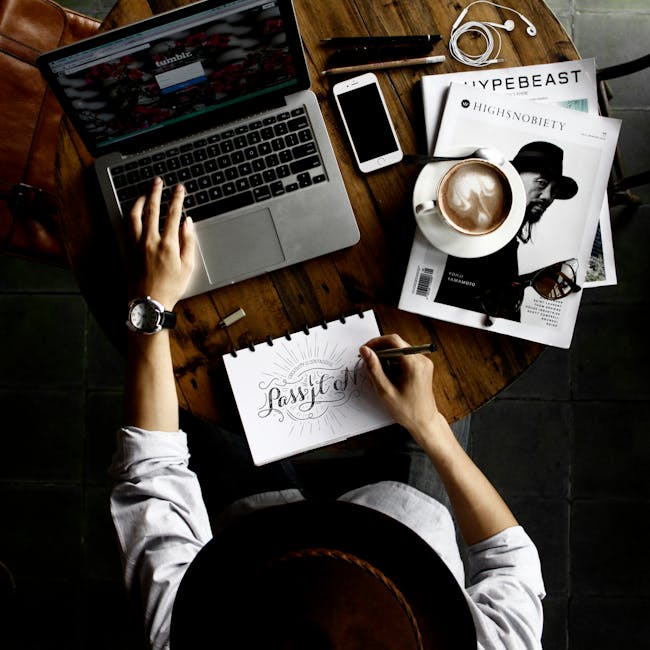
What is Typography Balance?
Typography balance is more than just an aesthetic choice; it’s a fundamental principle that defines how viewers perceive text and imagery. It’s about creating harmony between type and other visual elements, ensuring that the design doesn’t tilt to one side, metaphorically speaking. This balance influences not only readability and aesthetics but also the overall perception of a brand. It’s like the foundation of a well-built house, providing structure and stability to the design.
Understanding Typography Balance
Typography balance involves the distribution of text and graphical elements within a space, and its significance cannot be overstated. When typography is balanced, it provides a seamless reading experience that naturally guides the viewer’s eye through the content. Conversely, unbalanced typography can cause disorientation and distract from the message.
For instance, the art of typographical balance showcases how varying font sizes and weights can create depth and intrigue on the page, maintaining viewer engagement and attention.
Elements of Typography Balance
Several key elements contribute to achieving typography balance:
-
Weight: The thickness of the letters. Heavier weights can attract attention and create focus, while lighter weights can provide a softer touch.
-
Size: Larger text usually grabs attention first, setting a natural hierarchy.
-
Spacing: Proper spacing between letters (kerning), lines (leading), and blocks of text ensures readability and prevents clutter.
-
Color: Contrast in color can highlight or subdue specific elements, influencing the viewer’s focus.
Understanding these elements can be likened to being a chef who balances flavors to create a perfect dish. Each ingredient matters.
Visual Hierarchy and Typography Balance
Visual hierarchy is the order in which the human eye perceives what it sees. In typography, this can be achieved by manipulating text size, weight, and placement to lead the reader through the content in a logical way. A well-balanced typographic hierarchy not only enhances readability but also boosts user engagement, much like a well-composed piece of music guides the listener from start to finish.
Tips for Achieving Typography Balance
Achieving typography balance requires mindful strategies that align with the project’s goals.
Choosing the Right Fonts
Selecting complementary fonts is crucial. Fonts should support the message and tone of the content. For instance, pairing a bold, modern font with a classic serif can create an appealing contrast that draws the eye without overwhelming it. This choice is akin to pairing a fine wine with a gourmet meal; each should enhance the other without stealing the spotlight.
Adjusting Line Height and Spacing
Proper line height (leading) and spacing contribute significantly to readability and balance. Too little space can make text look cramped, while too much can cause it to feel disjointed. A balanced approach ensures that the text flows naturally, much like a river flowing smoothly over rocks. Leading in typography plays a significant role in creating visually harmonious designs.
Common Mistakes in Typography Balance
Even experienced designers can stumble when it comes to maintaining typography balance. Here are some pitfalls to avoid:
Overloading with Fonts
Using too many different fonts can disrupt balance and create visual chaos. It’s like trying to listen to five different songs at once; it just doesn’t work. Stick to two or three complementary fonts to maintain harmony.
Ignoring White Space
White space, often underestimated, is a powerful tool in achieving balance. Inadequate white space can lead to a cluttered, overwhelming design. Think of white space as a breath of fresh air in a crowded room; it allows elements to stand out and be appreciated individually.
Conclusion
Achieving typography balance is essential for effective design. It enhances readability, guides the viewer’s eye, and creates a pleasing aesthetic that reinforces brand perception. By understanding and applying the principles of typography balance, you can elevate your designs and ensure they resonate with your audience. Whether you’re working on branding, graphic design, or logo creation, these principles serve as the backbone of successful visual communication.
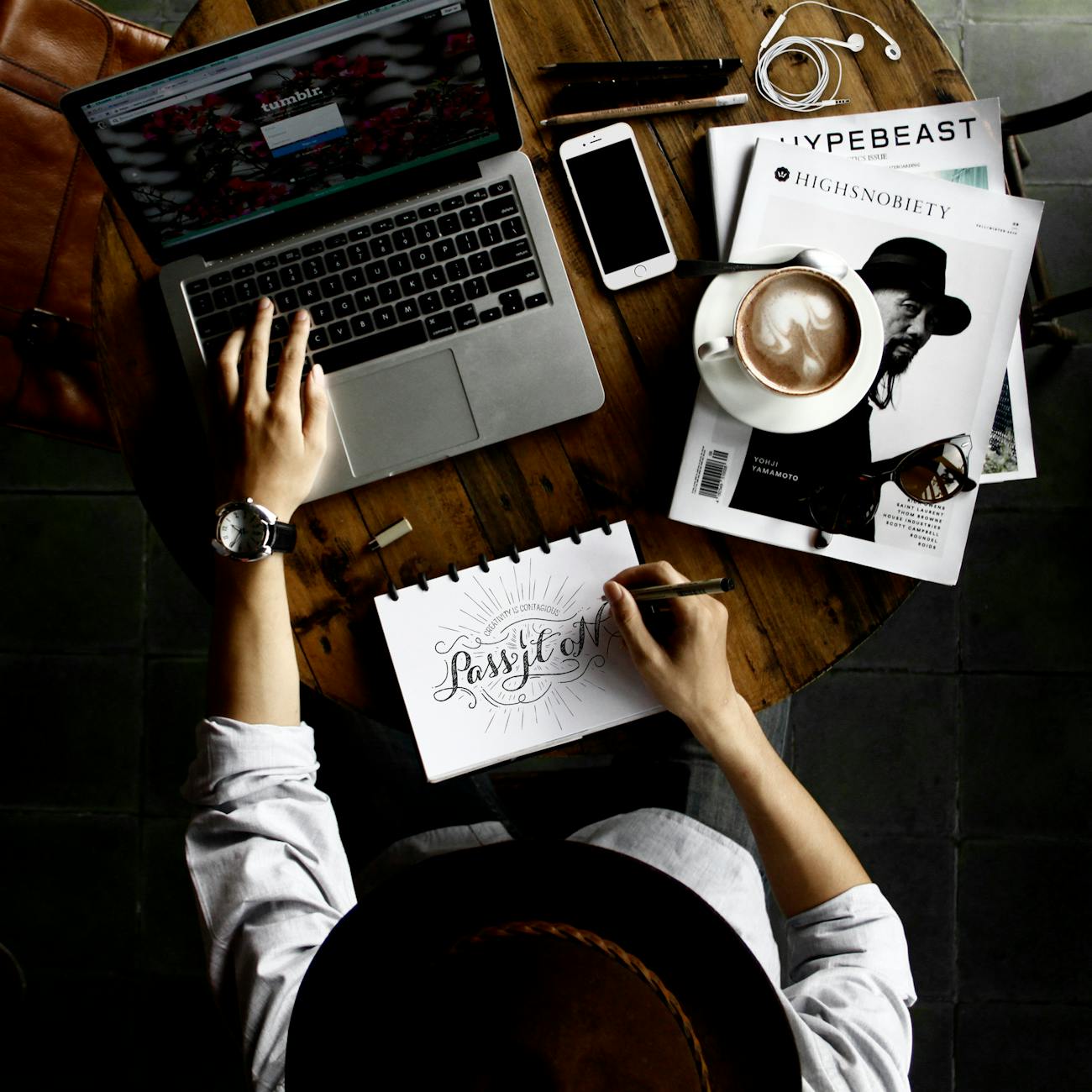 Photo by OVAN