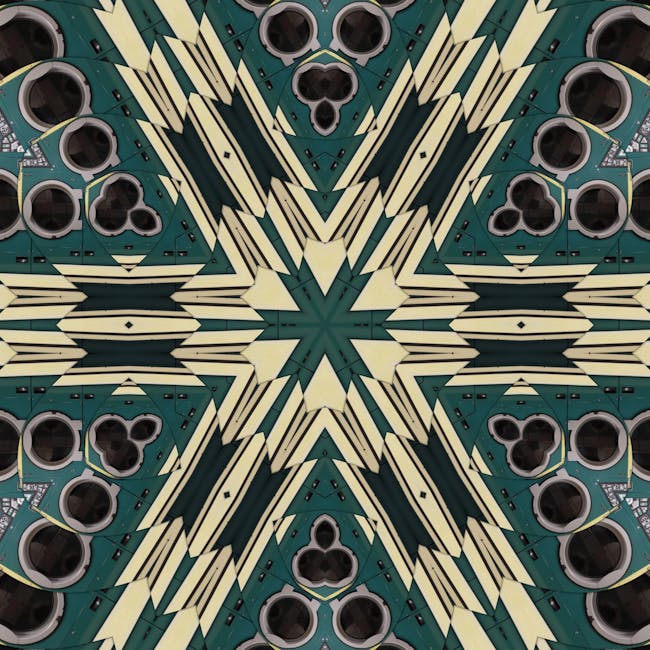
What is Symmetrical Balance Artwork?
Symmetrical balance is a fundamental principle in the world of visual arts, impacting fields like design, branding, and even architecture. It’s a concept that, while often overlooked, plays a crucial role in ensuring that artworks and designs are visually appealing, balanced, and effective in communication. But what exactly is symmetrical balance, and why is it so important?
Understanding Symmetrical Balance
Symmetrical balance is not just a topic for artists—it’s an essential principle for anyone involved in creating visual content. It involves the even distribution of visual elements across a central axis, creating a mirror image on either side. This balance can be found in nature, classical art, and even in everyday design elements like logos and layouts.
Definition of Symmetrical Balance
Symmetrical balance in artwork is achieved when the visual components are arranged equally around a central point or axis. Imagine splitting a piece of art down the middle; if both halves mirror each other, you have symmetrical balance. This form of balance is often referred to as “formal balance” due to its structured nature. You can find more detailed examples on StudioBinder’s explanation of symmetrical balance in art.
Principles of Symmetrical Balance
The principles of symmetrical balance revolve around three core ideas: equality, harmony, and proportion. Equality refers to the equal distribution of visual weight, harmony relates to the cohesive arrangement of elements, and proportion involves the relative size and scale of the elements in relation to one another. Mastering these principles can elevate a design from mundane to masterful. For further insights, Khan Academy’s discussion on balance and symmetry offers valuable perspectives.
Importance of Symmetrical Balance in Design
So, why does symmetrical balance matter, especially in branding and logo design? The answer lies in its ability to create visually appealing and easily recognizable designs that resonate with audiences.
Visual Appeal and Recognition
Symmetrical designs offer a sense of stability and calm, which can enhance the visual appeal of a brand. This stability makes logos and designs instantly recognizable, crucial in a crowded market. Think of famous logos that use symmetrical balance—often, these are the ones that stick in your mind. The importance of balance in design is further explored in Smashing Magazine’s article on compositional balance.
Psychological Impact on Audience
The psychological effects of symmetrical balance cannot be understated. It evokes feelings of harmony and order, which can foster positive emotional responses from viewers. This makes it a valuable tool in marketing and branding, as it can subtly influence consumer perception and behavior. Discover more about how balance impacts design on Kimp’s blog on balance in design.
Examples of Symmetrical Balance in Artwork
Symmetrical balance is nothing new in the art world. It spans centuries and continues to be a staple in both traditional and modern designs.
Classic Artworks
Classic pieces like Leonardo da Vinci’s “Vitruvian Man” or the symmetrical architecture of the Taj Mahal are prime examples of symmetrical balance in historical art. These works showcase the timeless appeal and stability that symmetry can provide. For more examples, check out Art Class Curator’s collection of balanced artworks.
Modern Applications in Branding
In today’s branding world, symmetrical balance is seen in logos of brands like McDonald’s, Chanel, and Target. These logos use symmetry to convey reliability and professionalism. The structured nature of symmetrical designs makes them memorable and effective in conveying a brand’s message.
Creating Symmetrical Balance in Your Designs
If you’re looking to incorporate symmetrical balance into your own artwork or designs, there are several strategies and tools you can use to achieve this.
Tools and Software for Designers
Modern technology offers numerous tools to help designers achieve symmetrical balance. Software like Adobe Illustrator and CorelDRAW provide features specifically for creating balanced designs. These tools allow designers to experiment with symmetry easily, ensuring that their final product is both aesthetically pleasing and functional.
Step-by-Step Guide to Creating Symmetrical Balance
-
Determine the Central Axis: Decide where the central axis will be in your design.
-
Place Identical Elements on Either Side: Arrange elements so they mirror each other across the axis.
-
Adjust for Proportion and Harmony: Ensure that the elements not only mirror each other but are also proportionately balanced.
-
Test and Refine: Use design tools to tweak and refine the balance until it feels right.
Conclusion
Symmetrical balance in artwork is more than just a design principle—it’s a tool that can enhance visual appeal and strengthen brand identity. Whether you’re designing a logo, creating a piece of art, or simply appreciating the aesthetics of nature, understanding and applying symmetrical balance can lead to more harmonious and impactful creations. As you explore the world of design, consider how this fundamental principle can transform your work into something both beautiful and effective.
 Photo by byMALENS