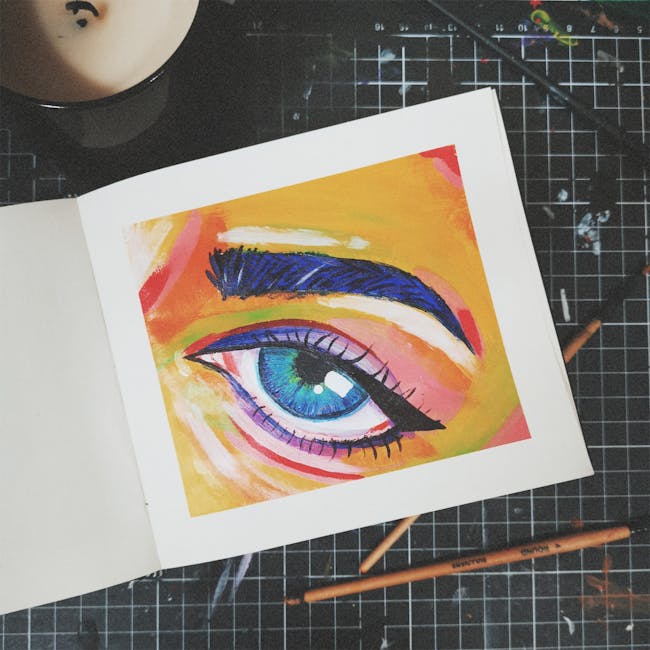
What is Sketchbook?
In the world of design, where creativity flows like an endless river and ideas spring forth like wildflowers, the sketchbook stands as a vital tool—a sanctuary for the creative mind. Whether you’re a seasoned designer or someone just starting on your artistic journey, a sketchbook is your constant companion, capturing the fleeting moments of inspiration and transforming them into tangible concepts. But what makes the sketchbook so indispensable in the realm of design, especially in brand and logo creation?
The Importance of Sketchbooks in Design
Sketchbooks play a crucial role in the creative process, serving as a bridge between abstract thought and concrete visualization. They are more than just blank pages bound together; they are a designer’s playground, laboratory, and diary all rolled into one.
Creativity and Idea Generation
Why do designers swear by their sketchbooks? It’s simple: they are instrumental in fostering creativity and generating ideas. Imagine trying to catch a butterfly in a net—without a sketchbook, those delicate ideas might flutter away. Artists and designers can quickly jot down thoughts, explore concepts, and build upon them without the constraints of digital tools. This freedom allows for spontaneous brainstorming and the cultivation of ideas that might otherwise be lost.
Visual Exploration and Experimentation
A sketchbook is like a sandbox where designers can experiment with styles, colors, and concepts. It offers a space to try new techniques, blend unconventional hues, or even juxtapose disparate elements. For instance, a logo designer may sketch multiple variations of a brand logo, tweaking elements until they coalesce into the perfect design.
Types of Sketchbooks
Choosing the right sketchbook is akin to selecting the perfect canvas for a painting. The market offers a plethora of options, each catering to different needs and preferences.
Size and Format Options
Sketchbooks come in various sizes and formats, from the portable A5 to the more expansive A4. Formats like landscape or portrait offer distinct advantages depending on the project. An A4 portrait sketchbook might be ideal for detailed illustrations, while a smaller landscape version could be perfect for quick sketches on the go.
Specialized Sketchbooks
For those who work with specific mediums, specialized sketchbooks are a godsend. Watercolor sketchbooks feature heavier, absorbent paper, while those designed for markers prevent bleed-through. Understanding your medium will guide you to the sketchbook that best suits your artistic style.
Best Practices for Using a Sketchbook
Maximizing the potential of your sketchbook requires more than just having it on hand. It’s about forming habits and organizing creativity.
Regular Practice and Habit Formation
Just as muscles grow through regular exercise, creativity thrives on consistent practice. By sketching daily, or at least on a regular schedule, designers build a habit that nurtures their skills and keeps their creative juices flowing. As one might say, “practice makes perfect,” and with a sketchbook, practice can also make inspiration perpetual.
Organizing and Reviewing Sketches
Organizing your sketches isn’t just about tidiness; it’s about creating a library of ideas to revisit. Periodically reviewing past sketches can ignite fresh insights and spur new projects. Consider a sketchbook as a personal museum of your creative evolution, where each page tells part of your story.
Inspiration from Successful Designers
Many renowned designers attribute part of their success to their faithful sketchbooks. These pages have birthed iconic logos and groundbreaking designs.
Case Studies of Iconic Logo Designs
Take, for instance, Nike’s swoosh or Apple’s unmistakable apple. These iconic logos began as simple sketches, embodying the raw, unfettered creativity that sketchbooks encourage. They remind us that great things often start with the humble stroke of a pencil on paper.
Conclusion
In the end, a sketchbook is more than just a tool; it’s a trusted partner in the creative journey. It encourages exploration, captures inspiration, and fuels the imagination. Embracing a sketchbook as part of your design process isn’t just recommended—it’s essential. So pick up a pencil, open those blank pages, and let your ideas take flight. The world of design awaits your unique imprint.
 Photo by Alani Robertson