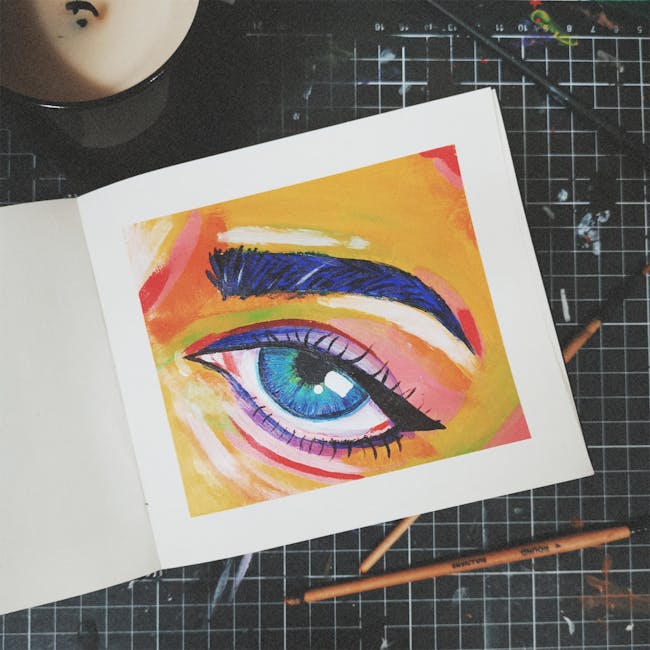
What is Realism Sketch?
Realism sketching is a fascinating art form that captures the essence of the real world through detailed and accurate representations. It’s a technique that artists have used to convey the subtle nuances of everyday life, becoming an integral part of both fine art and practical design disciplines such as brand and logo design. But what makes realism sketch so significant, and why does it hold such a pivotal role in modern branding?
Understanding Realism in Art
Realism in art is about creating a truthful representation of subjects, devoid of embellishments or imaginative alterations. Unlike other art movements that prioritize abstraction or emotional expression, realism focuses on portraying subjects as they are.
Historical Background
The roots of realism can be traced back to the 19th century, emerging as a response to the romanticism of the prior era. Artists like Gustave Courbet and Jean-François Millet pioneered this movement, choosing to depict everyday scenes and ordinary people with honesty and integrity. For a deeper dive into the origins of realism, the Tate Gallery offers an insightful look into how realism reshaped the art landscape of its time.
Characteristics of Realism
The main features of realism include attention to detail, accuracy, and a commitment to truthfulness. Artists working in this style often employ meticulous techniques to capture light, texture, and proportion with precision. This dedication to detail allows realism to resonate with viewers, offering a window into the world that feels both familiar and profound. For more on realism’s defining traits, Britannica’s article on realism provides a comprehensive overview.
The Role of Realism Sketch in Design
In the realm of design, realism sketches have found a unique niche. They are not just artistic expressions but powerful tools in crafting brand identities and logos.
Enhancing Brand Identity
Realism sketches are invaluable in enhancing brand identity by aligning visual elements with the core values and personality of a brand. They provide a sincere and authentic look, which can communicate trust and reliability to consumers. Realism can help brands tell their story more compellingly, grounding their message in reality and connecting with their audience on a human level. Designity’s logo and branding services illustrate how realism can be integrated into a cohesive visual identity.
Techniques for Creating Realism Sketches
Creating realism sketches requires a combination of skilled techniques and the right materials. Artists often use graphite, charcoal, or fine liners to achieve detailed and lifelike drawings. Mastery of shading, perspective, and proportions is crucial, as these elements bring depth and realism to the sketches. Understanding the play of light and shadow is also vital, as it adds dimension and vitality to the artwork.
Realism Sketch vs. Other Artistic Styles
How does realism compare to other artistic styles like abstract and impressionism, especially in the context of branding?
Practical Applications in Branding
While realism offers clarity and precision, abstract art leans towards creativity and subjective interpretation. Impressionism, on the other hand, captures fleeting moments with a focus on light and color rather than detail. Each style can significantly affect brand perception. For instance, a brand that wants to be seen as innovative might opt for abstract elements, while one that values tradition and authenticity might lean towards realism. The Branding Journal discusses how different design elements influence consumer perception and branding strategies.
Tips for Aspiring Designers
For those looking to incorporate realism sketches into their design repertoire, here are some tips to get started.
Developing Skills
To excel in realism sketching, practice is essential. Engaging with online tutorials, enrolling in art courses, and studying the works of renowned realist artists can enhance your skills. Websites like The Art Story provide resources and examples that can inspire and instruct.
Incorporating Realism into Projects
Realism sketches can add value to various design projects, from product packaging to marketing materials. They offer a timeless appeal that can elevate the aesthetic quality of a project. Consider using realism in industries where authenticity is paramount, such as organic food brands or artisanal crafts.
Conclusion
Realism sketching is not only a cornerstone of artistic expression but also a valuable asset in the world of branding and design. Its ability to convey authenticity and detail makes it a powerful tool for businesses looking to communicate their values genuinely. By embracing realism sketches, you can enhance your design projects and connect more meaningfully with your audience. Whether you’re an artist or a brand strategist, exploring the world of realism can open up new dimensions in your creative endeavors.
 Photo by Alani Robertson