What is Maximalist Minimalism?
In the ever-evolving world of design, a new trend is challenging the simplicity of traditional minimalism by embracing a more expressive approach: Maximalist Minimalism. This design philosophy merges the orderly and straightforward ethos of minimalism with the vibrant and dynamic spirit of maximalism. It’s like a well-orchestrated symphony, where each note—while distinct—contributes to an overall harmony. But how does this intriguing blend work, and why is it gaining traction in brand and logo design? Let’s explore.
Understanding the Philosophy of Maximalist Minimalism
Definition and Origins
Maximalist Minimalism may sound like an oxymoron, but it’s a concept that beautifully balances two opposing design philosophies. While traditional minimalism focuses on simplicity and functionality, maximalism celebrates abundance and boldness. The origins of Maximalist Minimalism can be traced back to a desire to retain the clarity of minimalism while incorporating the rich elements of maximalism. Imagine a minimalist room adorned with a splash of vibrant colors or an elegantly simple logo that features a burst of intricate patterns.
Key Principles of Maximalist Minimalism
The guiding principles of Maximalist Minimalism revolve around balance, contrast, and intentionality. Designers employing this style strive to create a visual narrative that does not overwhelm but intrigues. By carefully selecting elements that stand out yet complement each other, the design tells a story. For example, incorporating a bold color palette within a structured layout can draw attention without causing chaos. This approach ensures that every element has a purpose, creating a cohesive yet exciting design.
Applications in Brand and Logo Design
Case Studies of Successful Brands
Maximalist Minimalism has found its place in the branding world. Brands like Gucci and Dolce & Gabbana have successfully embraced this style. These brands cleverly blend complex patterns and vibrant hues with minimalistic elements to create stunning logos and product designs. This fusion allows them to stand out in competitive markets while maintaining a recognizable and sophisticated identity.
Visual Elements and Techniques
In Maximalist Minimalism, the visual elements play a crucial role. Designers often use striking color combinations, unique typography, and imaginative imagery to create visually appealing designs. Techniques such as layering and repetition help in crafting a sense of depth and dimension. For instance, a logo might feature bold fonts and vivid colors arranged in a symmetrical pattern, ensuring that it catches the eye while remaining elegant.
Benefits of Maximalist Minimalism for Designers
Creating Unique Brand Identities
For designers, Maximalist Minimalism offers a unique opportunity to craft distinct brand identities. By blending simplicity with complexity, brands can convey multiple messages at once. This duality allows brands to showcase their versatility and creativity, making them memorable in the minds of consumers. It’s like having the best of both worlds—capturing the essence of minimalism while enjoying the playfulness of maximalism.
Attracting Diverse Audiences
Maximalist Minimalism appeals to a wide range of audiences by offering a fresh perspective in design. Its ability to resonate with both lovers of simplicity and fans of extravagance makes it a versatile style. Whether it’s a tech-savvy millennial or a fashion-forward Gen Z, this design approach caters to diverse tastes and preferences, ensuring broader reach and engagement.
Conclusion: The Future of Maximalist Minimalism
As we look to the future, Maximalist Minimalism is poised to become a significant player in design trends. Its innovative blend of two philosophies offers endless possibilities for creativity and expression. By fostering a unique balance between simplicity and extravagance, it enables designers to push the boundaries and create compelling brand stories. As brands continue to seek ways to stand out and connect with audiences, Maximalist Minimalism will likely remain a dynamic and inspiring approach in the design landscape.
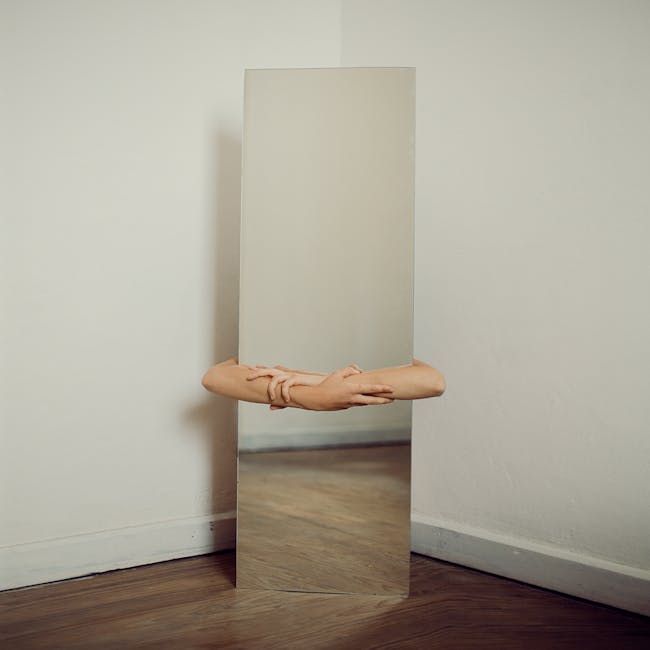
 Photo by Carolina Basi