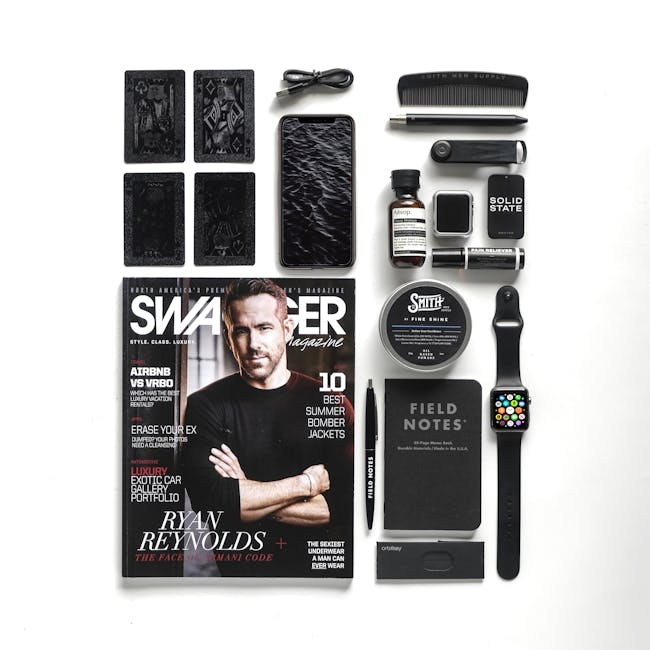
What is Masculine Branding?
Masculine branding refers to the strategic approach businesses take to create and communicate a brand identity resonating with traditional masculine values and archetypes. This concept encompasses not only the visual elements and messaging of a brand but also the underlying principles that appeal to a predominantly male audience. Understanding masculine branding involves analyzing the interplay between societal perceptions of masculinity, consumer behavior, and branding strategies that leverage these aspects to build a compelling and distinctive brand identity.
Understanding Key Concepts of Masculine Branding
At its core, masculine branding is grounded in the association of brands with traits typically categorized as masculine, such as strength, power, assertiveness, and independence. While these concepts can influence brands targeting men, it is essential to recognize that brands can successfully integrate masculine traits into products and marketing strategies appealing to a diverse audience. By balancing masculine elements with traits perceived as feminine or neutral, brands can foster a more inclusive identity that resonates with a broader consumer base. Understanding these key concepts allows brands to tailor their messaging and aesthetics to connect psychologically and emotionally with their audience.
Exploring the Practical Applications of Masculine Branding
The practical applications of masculine branding span various industries while consistently emphasizing attributes like ruggedness, durability, and competitiveness. Brands in sectors such as outdoor gear, automotive, and luxury goods often leverage masculine branding to create a sense of adventure, status, or achievement. Elements such as color schemes, typography, imagery, and language play a significant role in conveying masculine traits. By strategically implementing these elements, companies can align themselves with the aspirations and lifestyles of their male consumers while remaining relevant to diverse audiences.
Key Methodologies in Masculine Branding Strategies
Methodologies in masculine branding strategies focus on research-driven approaches to understanding the target audience’s needs and preferences. These methodologies typically include market segmentation analysis, consumer behavior studies, and psychographic profiling. For instance, brands may explore attributes their audience values in products and emphasize these through branding efforts. Techniques such as storytelling, positioning, and experiential marketing are crucial in crafting a masculine brand narrative that connects with consumers effectively.
Related Terminology in Branding and Marketing
To fully understand masculine branding, it is essential to recognize related terminology in branding and marketing. Terms like “brand archetype,” “brand identity,” and “target audience” are foundational in the branding field. The concept of brand archetypes, particularly the “Hero” and “Warrior,” aligns closely with masculine branding, as these archetypes embody traits of bravery, resilience, and challenge. Understanding how target demographics interact with brand identities is also vital in shaping how masculinity is portrayed across different markets.
The Role of Masculine Branding in Various Industries
Masculine branding significantly influences numerous industries, including fashion, automotive, technology, and fitness. In the fashion industry, for example, brands targeting menswear often reflect masculine branding through designs that denote boldness and strength. In automotive advertising, car manufacturers frequently emphasize horsepower, ruggedness, and performance to reinforce masculinity. By aligning their branding strategies with masculine themes, companies in these sectors can resonate better with male consumers and foster a deeper connection to their products.
How to Implement Masculine Branding Effectively
To implement masculine branding effectively, brands require a thoughtful approach that considers audience insights and brand authenticity. Key steps include defining the brand’s core values, identifying the desired masculine traits, and developing a cohesive visual and verbal identity that embodies those traits. Consistent messaging across all platforms ensures that the masculine narrative is reinforced through advertising, social media, and customer interactions. Prioritizing authenticity and relevance to the audience enables brands to create a lasting impact through their masculine branding initiatives.
Challenges and Considerations in Masculine Branding
While masculine branding can yield strong loyalty and recognition, it presents challenges and considerations. One significant challenge is the risk of perpetuating outdated stereotypes or alienating consumers who do not identify with traditional masculinity. Brands must navigate the fine line between fostering a masculine identity while embracing inclusivity for diverse gender identities and expressions. For example, campaigns like Gillette’s “The Best Men Can Be” critique toxic masculinity while appealing to modern male consumers. Additionally, evolving societal perceptions of masculinity necessitate ongoing adaptation in branding strategies to reflect contemporary values and expectations.
Evolving Perspectives: The Future of Masculine Branding
The future of masculine branding is likely to involve a shift toward more inclusive representations of masculinity. As societal norms evolve, brands may redefine masculinity within a modern context, including celebrating emotional vulnerability, collaboration, and self-care among men. Current market research indicates that consumers increasingly prioritize authenticity and inclusivity in their purchasing decisions. Brands adapting to these changes, such as those championing diverse campaigns that challenge traditional masculine norms, are positioned to remain relevant and connect with newer generations of consumers.
Case Studies: Successful Examples of Masculine Branding
Several brands exemplify successful masculine branding strategies that resonate with their target audience while navigating contemporary branding challenges. For instance, Harley-Davidson and Budweiser have created robust masculine identities based on values such as freedom, adventure, and camaraderie. By examining these case studies, businesses can glean insight into effective methods and tactics for building a strong masculine brand identity while appealing to both traditional and modern interpretations of masculinity.
Conclusion
In summary, masculine branding is a multifaceted approach that seeks to create a brand identity rooted in traditional masculine ideals. By understanding its key concepts, effective applications, methodologies, and the role it plays across various industries, brands can strategically position themselves to resonate with their audience. However, it is crucial for brands to acknowledge the responsibility they hold in shaping perceptions of masculinity and to align branding efforts with broader social movements toward equality and inclusivity for long-term success in the evolving landscape of masculine branding.
 Photo by Drew Williams