What is Logo Design History?
Logos are more than just symbols or graphics. They are the face of brands, representing values, identity, and mission all in one simple design. Understanding the history of logo design not only enhances appreciation of modern-day logos but also illuminates the cultural and technological shifts that shaped them. So, how did logo design evolve into such a pivotal aspect of branding?
Origins of Logo Design
The journey of logo design begins in ancient civilizations where symbols were used to communicate without words. These early forms of branding used imagery to convey power, divinity, and ownership.
Symbolism in Ancient Cultures
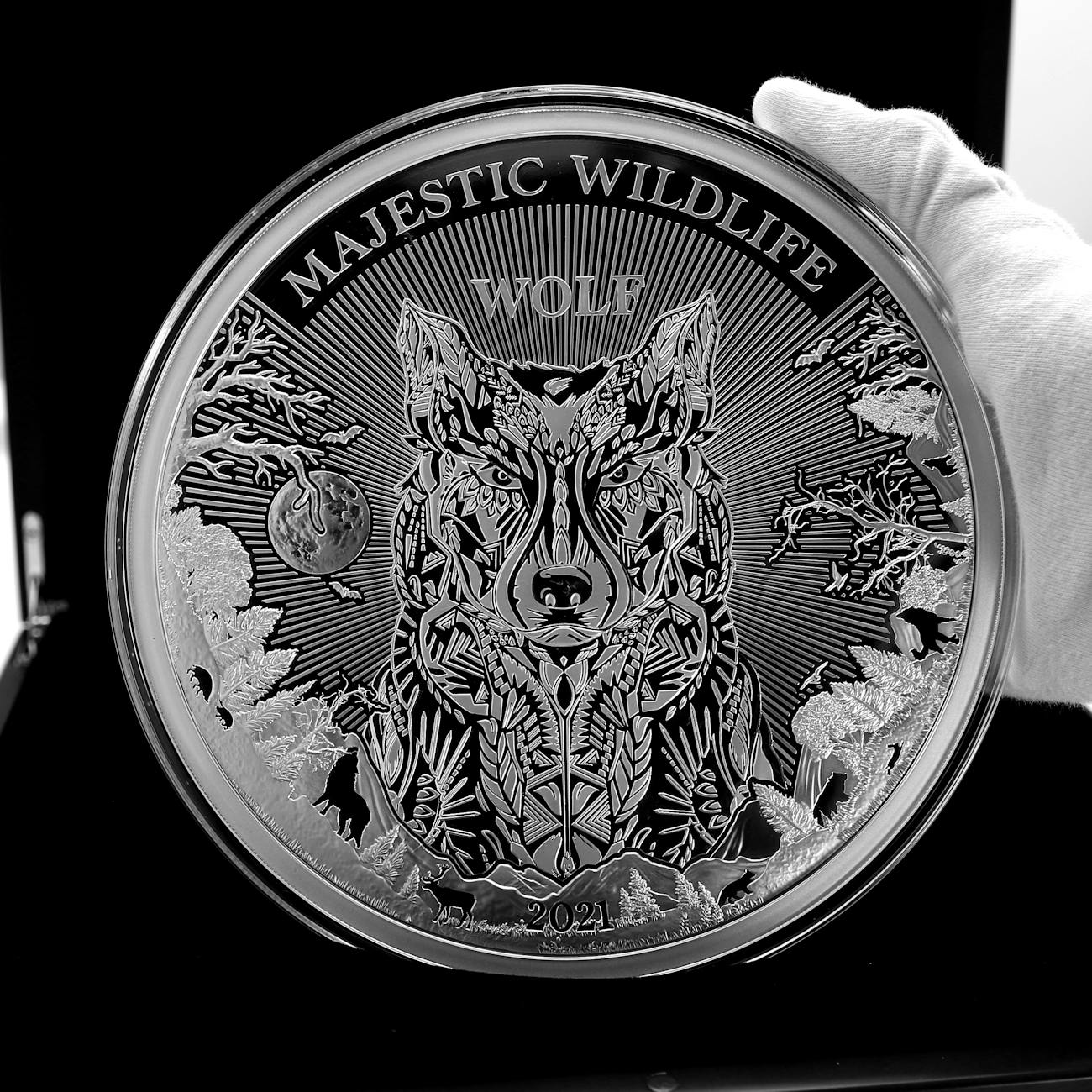
In ancient Egypt and Greece, symbols played a crucial role. Egyptians used hieroglyphs, an intricate system of pictorial writing, to depict gods and pharaohs. These symbols were more than mere language; they were a representation of divine power and authority. Similarly, the Greeks utilized symbols to identify city-states, gods, and deities, etching them into coins and temple walls. These practices laid the groundwork for logo design as a form of immediate recognition and communication.
The Emergence of Heraldry
Fast forward to medieval Europe, where heraldry became prominent. Coats of arms served as a familial emblem, showcasing lineage and heritage. These intricate designs were the early precursor to modern logos, establishing identity through visual art. Heraldry was a way to stand out in battle and in society, a tradition that resonates with today’s brand differentiation.
The Industrial Revolution and Branding
The Industrial Revolution was a turning point, not just in manufacturing, but in the way businesses communicated with consumers. It was an era of innovation, and branding took center stage.
Rise of Mass Production
With the advent of mass production, companies needed a way to distinguish their products. Unique trademarks became essential for businesses to build customer loyalty and recognition. Brands like Coca-Cola and Levi’s emerged, using their logos to create a unique identity amidst a sea of competitors.
The Birth of Modern Logos
As industries grew, so did the need for more sophisticated branding. The first modern logos emerged, such as the Bass Brewery’s red triangle, the first registered trademark in the UK. This marked the beginning of purposeful logo design, moving beyond mere symbolism to strategic branding.
The Evolution of Logo Design in the 20th Century
The 20th century brought about significant shifts in logo design, driven by artistic movements and technological advancements.
Influence of Bauhaus and Minimalism
The Bauhaus movement, known for its minimalist and functional approach, greatly influenced logo aesthetics in the mid-20th century. Designers embraced simplicity, creating logos that were clean and impactful. The focus was on achieving maximum effect with minimal elements, a principle that continues to dominate logo design today.
Technological Advancements
Technology transformed how logos were created and reproduced. The introduction of digital tools allowed for greater precision and creativity, enabling designers to experiment with new styles and techniques. This shift also made logos more accessible, allowing businesses of all sizes to establish a professional brand identity.
Current Trends in Logo Design
As we move further into the digital age, logo design continues to evolve, embracing new trends and addressing contemporary challenges.
Dynamic and Responsive Logos
Today’s brands operate on multiple platforms, necessitating logos that are versatile and adaptive. Dynamic logos can change in color, shape, or complexity depending on the platform, ensuring consistent brand identity across various media. This adaptability is crucial in a world where digital presence is paramount.
Inclusive and Diverse Design Practices
There’s a growing emphasis on inclusivity and diversity in design. Logos today are not just about the brand but also about representing a diverse audience. This approach reflects a broader societal shift towards inclusivity, ensuring that all consumers feel seen and valued.
Conclusion
The history of logo design is a fascinating journey through time, reflecting broader cultural, technological, and social changes. From ancient symbols to modern digital designs, logos have always been a powerful tool for communication and identity. As we continue to innovate and adapt, it’s important to appreciate the art and strategy behind these iconic symbols. Logos are more than just images—they are the storytellers of brands, carrying the weight of history and the promise of the future. For more insights on the importance of logos in branding, you might find this article insightful.
 Photo by Zlaťáky.cz