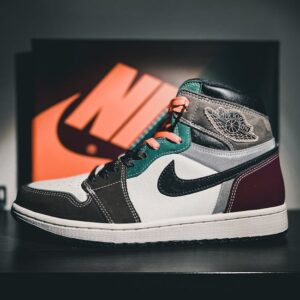
What is Find Color Palette?
The concept of a color palette is fundamental when it comes to design, particularly in branding and logo creation. A well-chosen color palette can define a brand’s identity and evoke specific emotions in its audience. Think of it as the silent language of design—a powerful tool that communicates without words.
Understanding Color Theory
To find the perfect color palette, it’s crucial to understand the basics of color theory. This knowledge not only enhances the aesthetic appeal of your designs but also ensures your brand communicates the right message.
The Color Wheel
The color wheel is a visual representation of colors arranged according to their chromatic relationship. It acts as a designer’s compass, guiding you through the vast sea of color possibilities. This article on color theory explains how the color wheel forms the backbone of color harmonies, helping designers create visually cohesive palettes.
Color Relationships
Colors on the wheel are categorized into primary, secondary, and tertiary colors. Primary colors, such as red, yellow, and blue, form the basis from which other colors are mixed. Secondary colors, like green, orange, and purple, emerge from mixing primary colors. Tertiary colors result from blending primary and secondary hues.
Understanding these relationships helps in crafting balanced color schemes. Complementary colors sit opposite each other on the wheel and provide contrast. Analogous colors lie adjacent and offer harmony. Triadic colors form a triangle on the wheel, delivering vibrancy and balance.
The Psychology of Color
Colors do more than decorate; they evoke feelings and influence behavior. Whether it’s the calming effect of blue or the energetic vibe of red, color psychology plays a significant role in branding. Brands use colors to evoke specific emotions, making color choice a strategic decision. Learn more about color psychology to see how different shades can impact your audience’s perception.
How to Find the Right Color Palette
Finding the right color palette involves more than just picking colors that you like. It requires strategic thinking and the right tools to ensure your branding is effective.
Utilizing Color Palette Generators
Color palette generators are invaluable tools for designers. They simplify the process of creating harmonious color schemes. Websites like Coolors and Adobe Color allow you to explore thousands of palettes and even generate your own based on color theory.
Inspiration from Competitors and Trends
Sometimes the best inspiration comes from those around you. Analyzing competitors’ color schemes can provide insights into industry standards and opportunities for differentiation. Additionally, staying updated with current design trends ensures your branding remains fresh and relevant.
Testing Your Palette
Before finalizing your palette, it’s essential to see how it performs across different mediums. Colors can look different on screen versus print, so testing ensures consistency and effectiveness. By experimenting with your colors in various contexts, you can ensure they enhance your brand’s message.
Implementing Your Color Palette in Branding
Once you’ve found your perfect palette, the next step is implementation. Consistent use across all platforms solidifies brand recognition and integrity.
Consistency Across Platforms
Ensuring your colors appear consistently across websites, social media, and marketing materials reinforces brand identity. A unified color scheme makes your brand instantly recognizable and trustworthy.
Creating Brand Guidelines
To maintain cohesion, create brand guidelines that specify how colors should be used. These guidelines act as a rulebook for your brand, ensuring everyone involved in your branding and design remains aligned.
Conclusion
Finding the right color palette is an essential step in creating a memorable and effective brand. By understanding color theory, utilizing tools, and maintaining consistency, you can craft a powerful visual identity. Remember, colors are more than decoration—they’re a language that speaks to your audience.
 Photo by Steve Johnson