What is Designing Product Packaging?
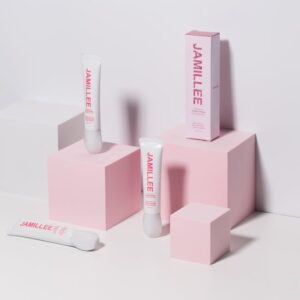
Designing product packaging goes beyond merely encasing a product; it’s an art form that intertwines with science to deliver more than just protection. It’s a vital aspect of branding and consumer attraction, serving as the first physical touchpoint between a brand and its customers. You might wonder, why is this so crucial? Well, think of packaging as the attire your product wears—it’s what captures attention, communicates value, and differentiates it in a crowded marketplace.
Understanding Product Packaging
Types of Product Packaging
Packaging can broadly be categorized into three main types: primary, secondary, and tertiary. Primary packaging is what comes in direct contact with the product, such as a bottle holding shampoo. Secondary packaging groups primary packages together, like the box that might contain several shampoo bottles. Finally, tertiary packaging is used for bulk handling and shipping, such as pallets wrapped in plastic film. Each type plays a unique role in ensuring the product reaches the consumer in perfect condition. To dive deeper into this, check out Types of Packaging.
Key Functions of Packaging
Packaging serves several essential functions, including protection, information, and promotion. It protects the product from damage, provides crucial information like nutritional facts or expiration dates, and acts as a silent salesman, enticing consumers to make a purchase. For a comprehensive list of functions, you can explore The Most Important Functions of Packaging.
Elements of Effective Product Packaging
Material Selection
Choosing the right material is akin to selecting the foundation for a house. It’s about ensuring durability while keeping sustainability in mind. The right material not only protects the product but also aligns with consumer preferences for eco-friendly options. Learn more about effective materials in The Ultimate Guide to Effective Product Packaging.
Visual Design and Aesthetics
Visual design is where colors, typography, and imagery come into play. It’s the silent language that speaks directly to consumers’ emotions. The right design can make a product irresistible, just like a beautifully presented meal enhances the dining experience. For insights into making impactful design choices, visit Essential Elements of Effective Packaging Design.
Brand Identity in Packaging
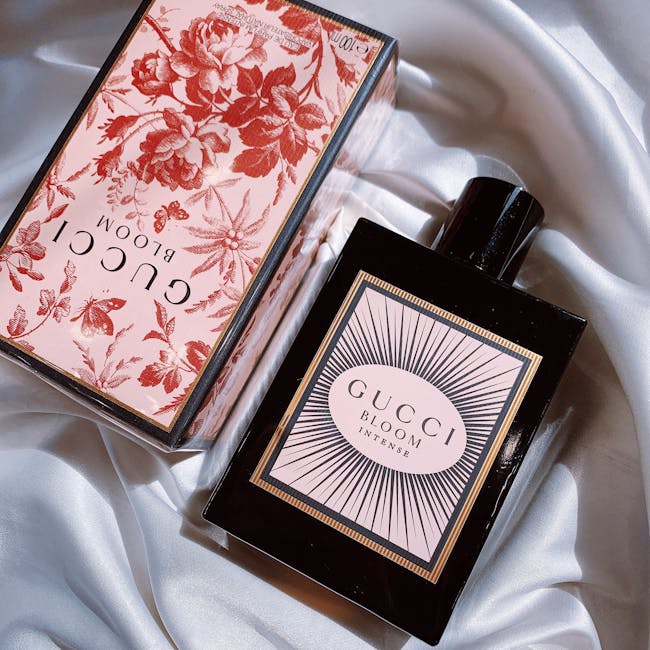
Packaging is often the most tangible representation of a brand. It’s where logos, colors, and taglines come together to create a cohesive image that reinforces brand recognition. Think of your packaging as your brand’s ambassador on the shelves. To understand more about the impact of branding on packaging, read about Brand Packaging.
Trends in Product Packaging Design
Sustainability in Packaging
There’s a significant shift toward eco-friendly materials in packaging design. Consumers are increasingly conscious of the environmental impact of their purchases, pushing brands to adopt sustainable practices. This trend is not just about reducing waste but also about innovation in materials and design. For the latest in sustainable packaging trends, see Packaging Design Trends.
Minimalism and Simplicity
Minimalistic designs are gaining traction as they appeal to the modern consumer’s desire for clean, straightforward aesthetics. The mantra “less is more” is being embraced, focusing on clear communication and uncluttered visuals. Discover how minimalism is shaping packaging design at Packaging Design Trends for 2024.
Challenges in Designing Product Packaging
Balancing Cost and Quality
One of the significant challenges in packaging design is managing costs without sacrificing quality. This balancing act requires strategic thinking and innovation to ensure packaging is both cost-effective and high-quality. Learn more about overcoming these challenges at 5 Common Packaging Problems.
Meeting Regulatory Standards
Adhering to legal and safety regulations is non-negotiable in packaging design. These standards ensure the safety and compliance of products across different markets. Understanding and meeting these regulations can be complex but essential for brand credibility and consumer trust. For more insights, explore Problems and Challenges Facing the Packaging Industry.
Conclusion
In conclusion, designing product packaging is a multifaceted endeavor that requires a blend of creativity, strategy, and practicality. It’s about crafting an experience that not only protects but also promotes and communicates your brand’s essence. Effective packaging design can be a powerful tool in achieving brand success, making it an indispensable element in any marketing strategy. As we continue to see shifts in consumer preferences and technological advancements, staying informed and adaptable will be key to thriving in this dynamic field.
 Photo by Absin