What is Designing Product Packages?
Designing product packages is more than just enclosing a product in a box. It’s about crafting an experience that speaks to the consumer, reflects the brand, and stands out on the shelf. Whether you’re a small business or a big corporation, the packaging plays a pivotal role in how a product is perceived.
Introduction to Designing Product Packages
Product packaging is often the first interaction a consumer has with a brand. It’s a silent salesman that conveys the essence of the product and the brand itself. In a competitive market, where consumers are bombarded with choices, packaging can be the deciding factor for a purchase. A well-thought-out package not only protects but also promotes the product, making it an essential part of branding and consumer perception.
The Role of Packaging in Branding
Packaging is not just about protection; it’s a powerful tool for branding. According to Fleximize, it supports branding by emphasizing the product’s best features and creating a memorable experience.
Creating a Visual Identity
Colors, typography, and imagery are the building blocks of a brand’s visual identity. They evoke emotions and memories, creating a connection between the brand and the consumer. Think of the iconic red of Coca-Cola or the sleek design of Apple products. These elements are not accidental; they are carefully chosen to create a lasting impression.
Packaging as a Marketing Tool
Effective packaging is like a magnet that attracts consumers. It signals professionalism and quality, making customers more likely to choose a product that looks reliable and trustworthy (Packaging Strategies). A well-designed package can tell a story, engage the consumer, and encourage them to make a purchase.
Key Elements of Effective Product Packaging
Creating successful packaging involves several key elements that work together to enhance the product and the brand.
Material Selection
Choosing the right materials is crucial for both functionality and aesthetics. The material should protect the product while also reflecting the brand’s values. For example, luxury brands often choose high-quality materials that convey elegance and exclusivity (SKuNexus).
Sustainability in Packaging Design
Eco-friendly packaging is no longer just a trend; it’s becoming a necessity. Consumers are more conscious of their environmental impact, and they expect brands to share that concern. Options like biodegradable plastics and recyclable materials are gaining popularity and can positively influence consumer choice (Green Business Benchmark).
Usability and Functionality
Packaging must be user-friendly. If a customer struggles to open a package, it can lead to frustration and a negative experience. Good design considers ease of opening, resealing, and storage. It’s about making the consumer’s life easier while maintaining the integrity of the product.
Trends in Product Packaging Design
Packaging design is constantly evolving, influenced by cultural shifts and technological advancements.
Minimalism and Simplicity
Less is more. The trend towards minimalism reflects a desire for clarity and transparency. Simple designs communicate trust and reliability, cutting through the noise of flashy, cluttered alternatives (Vistaprint).
Interactive Packaging
Technology is revolutionizing packaging with interactive elements like QR codes and augmented reality. These features engage consumers in new ways, providing additional information and creating a more immersive experience (Filestage).
The Future of Product Packaging Design
The future of packaging design promises even more innovation and personalization.
Innovations in Materials and Technology
Emerging materials like biodegradable films and smart packaging are set to change the industry. These innovations not only enhance the user experience but also address environmental and health concerns.
Personalization and Customization
Consumers love products that feel tailor-made. Personalization in packaging can strengthen the bond between the brand and the consumer, making them feel valued and understood.
Conclusion
Thoughtful product packaging is more than just a container; it’s a crucial element of branding and marketing. By understanding the importance of design, sustainability, and innovation, brands can create packaging that resonates with consumers and builds loyalty. As trends continue to evolve, staying ahead of the curve with creative and functional packaging will be key to success in an ever-competitive market.
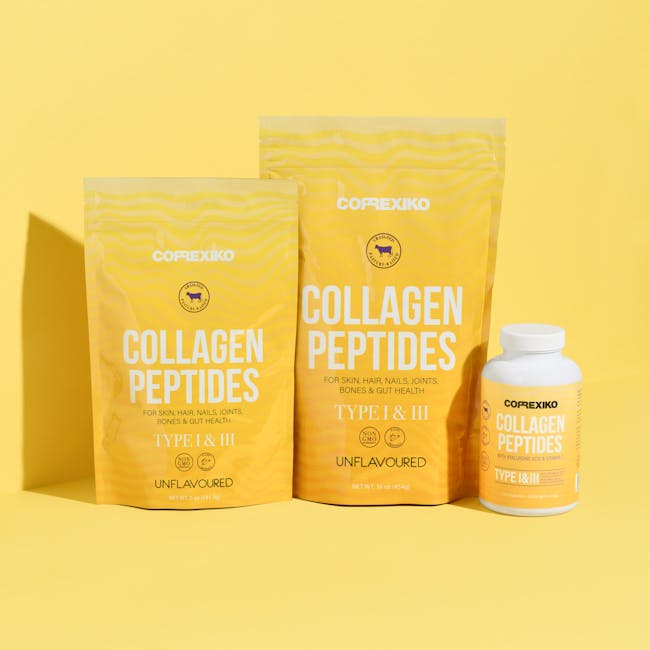
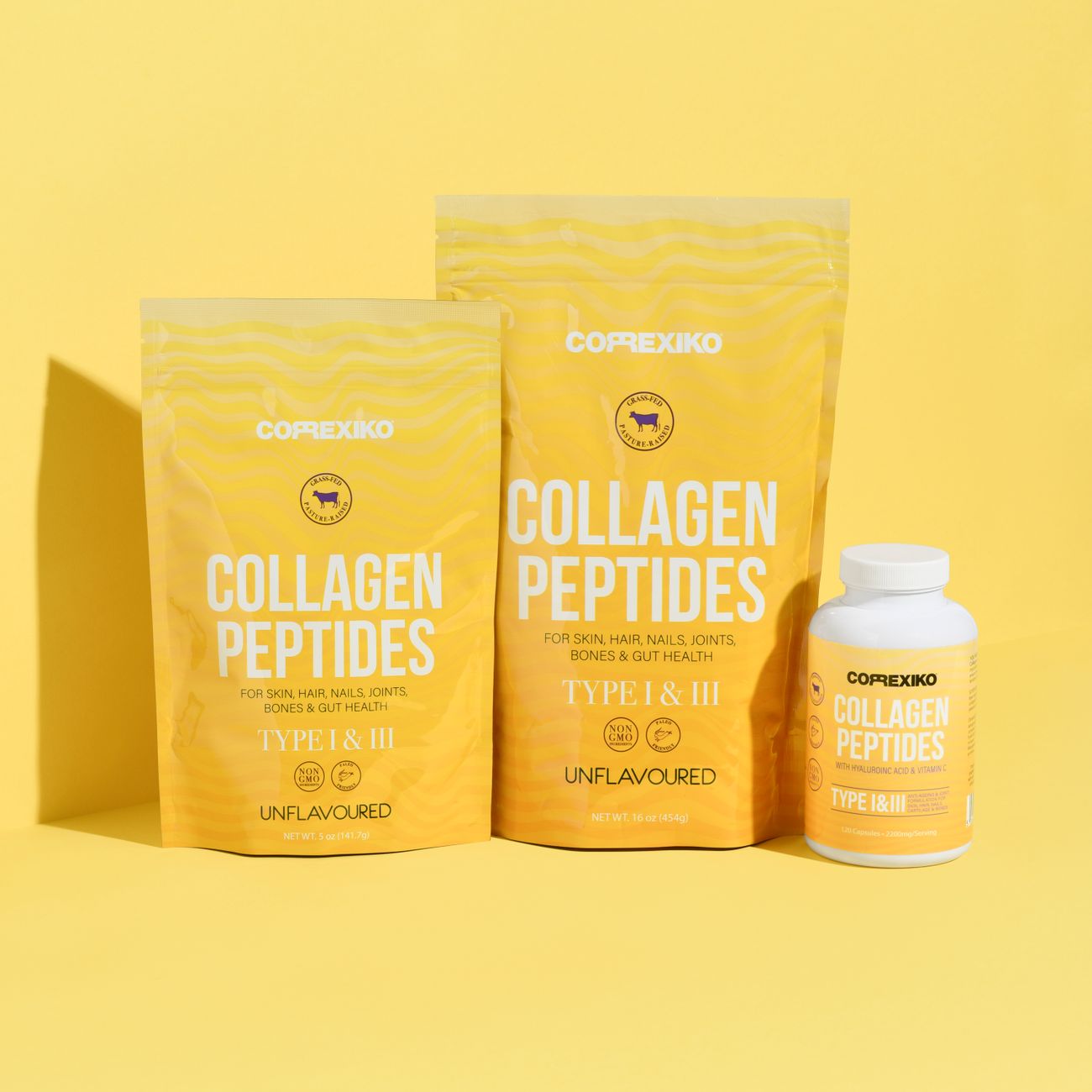 Photo by Correxiko Collagen