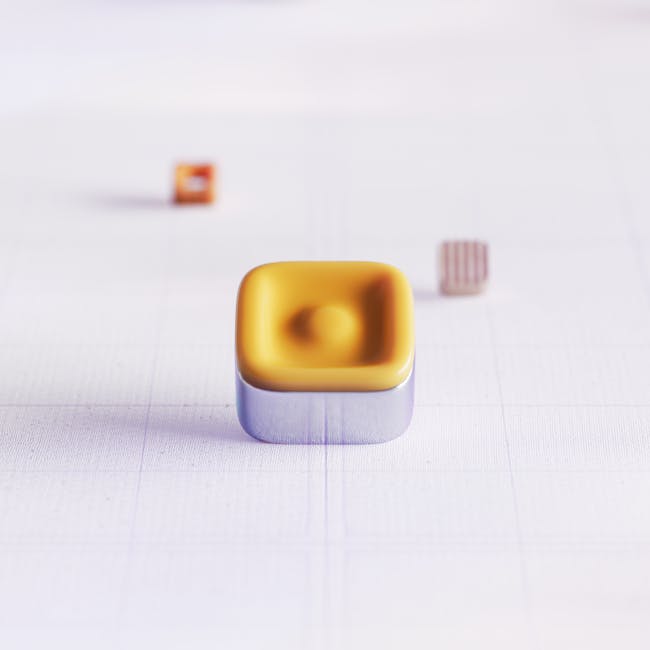
What is Concept Art?
Concept art is more than just illustrations; it’s a powerful tool that brings ideas to life, shaping the way we experience films, video games, and even brands. It’s the silent architect behind the visuals that capture our imaginations and hold our attention. From the landscapes of epic films to the intricate details of a video game character, concept art plays a pivotal role in storytelling and design.
Introduction to Concept Art
Concept art serves as the backbone of visual storytelling. It’s used across various industries like gaming, film, and branding, where it’s crucial for designing and defining the aesthetic vision of a project. Think of it as the blueprint that guides creators in turning imaginative concepts into tangible visuals.
In the world of gaming and film, concept art sets the tone and mood, helping to ensure that every visual element aligns with the narrative and emotional journey. It’s not just about pretty pictures; it’s about creating a cohesive visual story that resonates with audiences. For more insight, Concept Art World showcases concept artists and their processes in bringing ideas to life.
The Role of Concept Art in Design
Defining Visual Style
Defining a project’s visual style is one of the primary functions of concept art. It acts as a compass, guiding the entire design team through the creative process. Whether it’s the color palette, mood, or architecture, concept art establishes the foundational elements that influence every subsequent design choice. This Wikipedia page offers a comprehensive overview of concept art’s influence in various media.
Iterating Ideas
Concept art is also a playground for experimentation. Before settling on a final version, artists can explore multiple ideas, allowing for innovation and creativity. This iterative process is invaluable, especially in industries where visual impact is paramount. By providing a visual narrative that can be easily adjusted and refined, concept art ensures that the final product is both innovative and cohesive.
Techniques and Tools Used in Concept Art
Digital vs Traditional Media
In today’s digital age, concept artists have a plethora of tools at their disposal. Software like Photoshop allows for rapid iteration and detailed digital paintings. However, traditional media—such as pencils, inks, and paints—remain popular for their tactile feedback and organic feel. Each medium offers its own unique strengths and can even be combined to create hybrid works that capture the best of both worlds.
3D Modeling in Concept Art
The introduction of 3D modeling has revolutionized concept art. Tools like Blender and Maya enable artists to create complex models and environments, providing a more immersive and realistic preview of the final design. This technology not only enhances the accuracy of concept art but also streamlines the transition from concept to actual production.
Concept Art in Branding and Logo Design
Creating Brand Personas
In branding, concept art is instrumental in visualizing brand personas and ethos. It can capture the essence of a brand’s identity, helping businesses communicate their values and mission effectively. By crafting detailed visual representations, concept artists ensure that every element of a brand’s aesthetic is intentional and aligned with its message. This article highlights the significance of concept art in brand design.
Developing Logo Concepts
Logos are more than just symbols; they’re the face of a brand. Concept art plays a crucial role in developing logo concepts through sketches and visual exploration. This process allows designers to experiment with various ideas and refine them until they perfectly encapsulate a brand’s identity.
The Future of Concept Art
Influence of Technology
With advancements in AI and VR, the future of concept art is both exciting and unpredictable. These technologies promise to expand the possibilities of what concept art can achieve, offering immersive experiences that were once the realm of science fiction. As these tools become more accessible, they’re likely to transform how concept artists work and what they can create.
Evolving Industry Standards
As industries continue to evolve, so too will the standards and expectations for concept art. The demand for more detailed, immersive, and emotionally resonant art will only increase, pushing artists to innovate continually and redefine what is possible.
Conclusion
Concept art is indispensable in today’s design landscape, especially in fields like branding and logo design. It’s the unseen hand that shapes our visual experiences, guiding projects from mere ideas to fully realized worlds. As technology continues to evolve, concept art will undoubtedly remain at the forefront of visual storytelling, inspiring and captivating audiences across the globe. For those interested in exploring more about the importance of concept art, this LinkedIn article provides additional insights into its role in creating compelling visuals.
 Photo by Google DeepMind