What is Broken Glass Effect?
The Broken Glass Effect has captivated the design world, offering a unique aesthetic that has become a go-to choice for many creatives. This effect can transform ordinary visuals into something extraordinary, capturing the viewer’s attention with its sharp, fragmented look. But why has this design choice become so popular, and how is it making waves in brand and logo design?
Understanding the Broken Glass Effect
The Broken Glass Effect isn’t just a visual style; it’s a powerful tool in the designer’s toolkit. It draws on the natural allure of shattered glass, turning what might be considered a flaw into a feature.
Definition and Characteristics
Visually, the Broken Glass Effect mimics the chaotic yet beautiful patterns seen in shattered glass. This effect often features jagged lines, transparent shards, and a sense of depth and movement. It’s recognized in graphic design for its ability to create a dramatic focal point and evoke emotions of tension, fragility, and transformation.
Historical Context
The appeal of broken glass in design is not new. Artists have long been inspired by its raw and unpredictable nature. The effect gained prominence in the digital age as designers began to experiment with textures and layers in software like Photoshop. Over time, it has evolved, influenced by trends in media, advertising, and even architecture, where glass is a prominent feature.
Applications in Brand and Logo Design
In branding, the Broken Glass Effect can do more than just catch the eye; it can tell a story. Companies use it to convey messages that resonate with their target audience.
Enhancing Brand Identity
Brands often employ the Broken Glass Effect to symbolize change, innovation, or resilience. It can be a metaphor for breaking barriers or shattering expectations. For instance, a tech company might use this effect to convey their cutting-edge approach. By incorporating this effect, businesses can add depth to their brand narrative, making their logos not only recognizable but also meaningful.
Case Studies
Consider brands like XYZ Tech that have successfully integrated the Broken Glass Effect into their logos. By doing so, they not only set themselves apart visually but also communicated a promise of innovation and durability. PixelBuddha showcases various ways this effect can be adapted in different brand contexts, offering inspiration for businesses looking to refresh their visual identity.
Tools and Software
Creating the Broken Glass Effect isn’t as daunting as it might seem. Popular tools like Photoshop offer a range of tutorials and resources. Websites like Envato Elements provide templates and effects that simplify the design process, allowing even novice designers to achieve professional results.
Design Considerations
While the Broken Glass Effect is visually striking, it’s essential to use it thoughtfully.
Balancing Aesthetics and Functionality
It’s easy to get carried away with dramatic effects, but maintaining a balance is crucial. A logo must remain functional, ensuring that the effect doesn’t compromise readability or usability. Designers should focus on integrating the effect in a way that complements the core message without overwhelming it.
Target Audience Impact
Understanding the target audience is vital. The Broken Glass Effect can evoke different emotions, so it’s important to consider how it aligns with the audience’s perceptions and expectations. A careful analysis can determine whether the effect enhances the brand’s appeal or detracts from it.
Trends and Future of the Broken Glass Effect
The world of design is ever-evolving, and the Broken Glass Effect is no exception.
Emerging Styles
New interpretations of the effect are constantly emerging. Designers are experimenting with colors, textures, and even animations to breathe new life into the traditional shattered glass look. Platforms like TutsPlus offer insights into these evolving styles, showcasing how far the effect can be pushed creatively.
Sustainability in Design
Sustainability is becoming a key consideration in design. While digital effects like Broken Glass don’t have a direct environmental impact, the ethos of sustainability can influence design choices. The aim is to create designs that are not only visually appealing but also timeless, reducing the need for frequent rebranding.
Conclusion
The Broken Glass Effect is more than a design trend; it’s a versatile tool that adds depth and intrigue to branding and logos. By understanding its characteristics, applications, and implications, designers and businesses can harness this effect to enhance brand identity and connect with audiences on a deeper level. As design trends continue to evolve, the Broken Glass Effect will likely maintain its place as a staple in creative design, promising endless possibilities for innovation and expression.
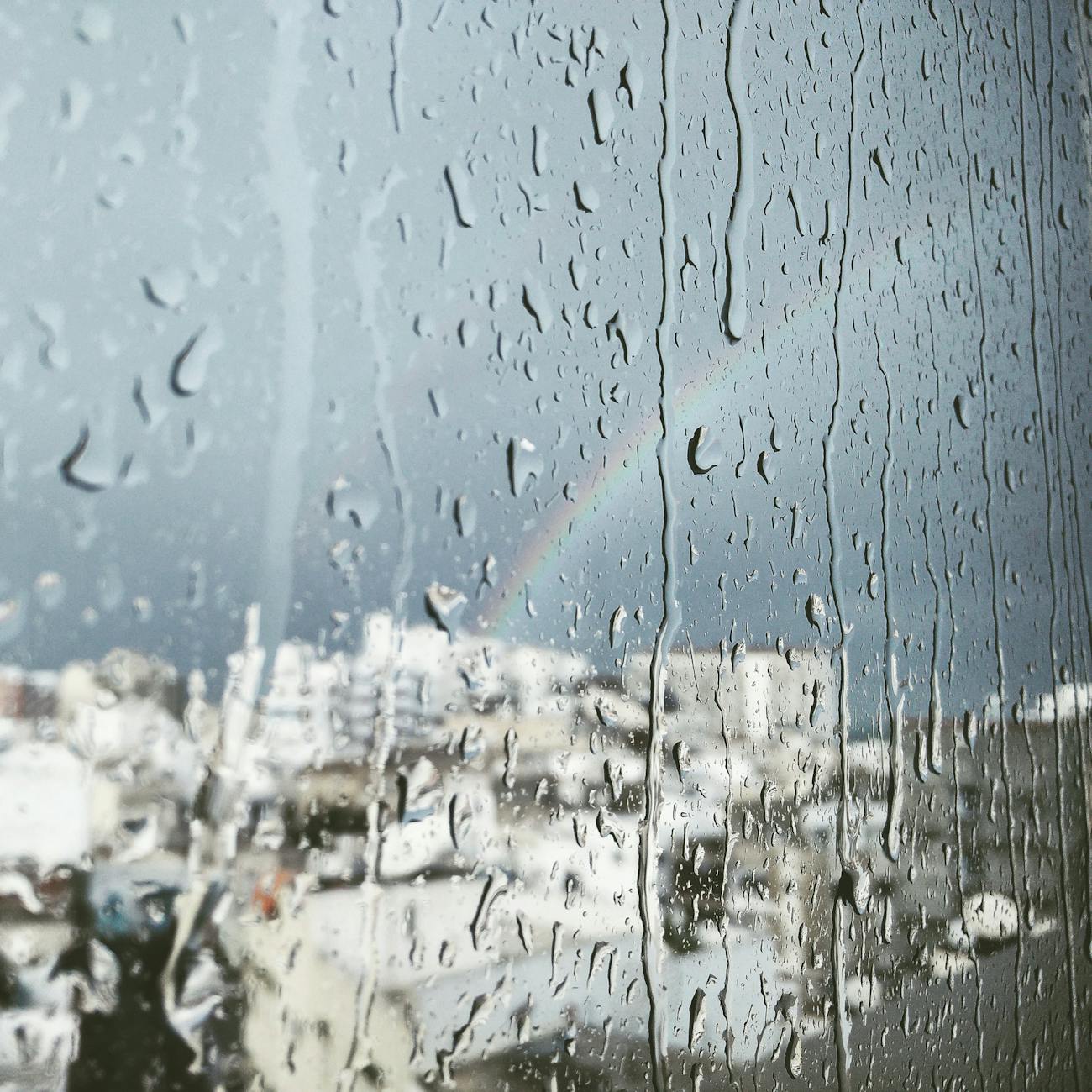 Photo by Bedis ElAcheche