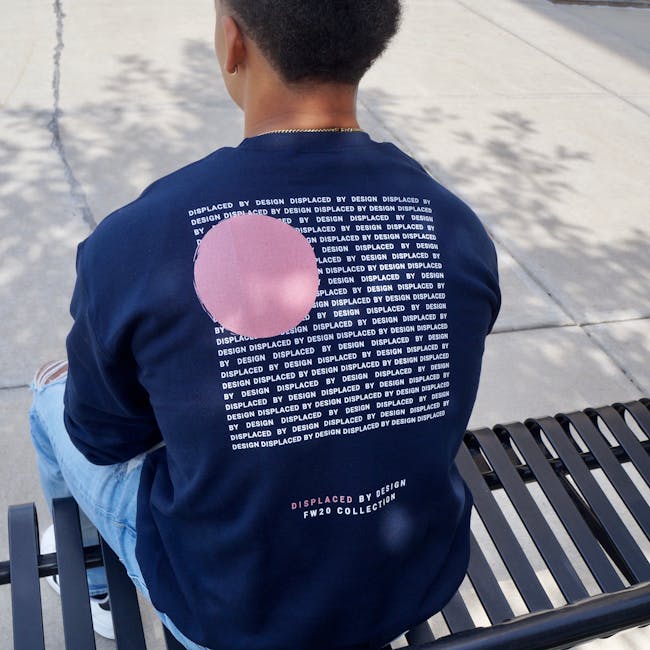
What is Blue Logo Brand?
In the world of branding, the color blue holds a unique and powerful position. A blue logo brand is more than just a choice of color; it’s a strategic decision that influences how a brand is perceived by its audience. Blue is known for its psychological impact, conveying feelings of trust, reliability, and professionalism. But why do so many brands choose blue? Let’s explore the significance of this color in the branding landscape.
Understanding the Psychology Behind Blue
The Meaning of Blue in Branding
Blue is a color that’s universally associated with positive attributes such as trust and reliability. This is why many brands choose blue to communicate these values to their audience. The color evokes a sense of calm and stability, making it an ideal choice for companies that want to project a professional image.
Cultural Interpretations of Blue
Interestingly, the perception of blue can vary across different cultures. In the Western world, blue often represents trust and authority, which is why it’s frequently used in corporate settings. However, in some Eastern cultures, blue symbolizes immortality and serenity. These cultural nuances make it essential for brands to consider their target audience when choosing a blue logo.
Successful Brands Using Blue Logos
Blue logos are a common sight in the corporate world, and many successful brands have harnessed the power of blue to strengthen their identity.
Case Study: Facebook
Facebook’s choice of blue isn’t just a random decision. The color blue is associated with communication and clarity, aligning perfectly with Facebook’s mission to connect people. The color also exudes a sense of trust, which is crucial for a social media platform handling personal data.
Case Study: IBM
IBM’s blue logo is a testament to its brand values of innovation and trust. The company has long been a leader in technology, and its blue logo reflects stability and reliability. This strategic choice has helped IBM maintain its reputation as a trusted tech giant.
Creating an Effective Blue Logo Brand
Designing a blue logo involves more than just picking a shade of blue. It requires careful consideration of design elements to ensure the logo aligns with the brand’s message.
Choosing the Right Shade of Blue
The shade of blue you choose can significantly impact how your brand is perceived. A lighter blue might convey a sense of calm and tranquility, while a darker blue can signify professionalism and authority. It’s important to choose the right shade that matches your brand’s personality.
Integrating Blue with Other Colors
While blue is a strong color, it can be complemented with other hues to create a balanced logo. Pairing blue with colors like white or gray can enhance its professional appeal, while adding a pop of color like yellow or orange can introduce energy and dynamism to your brand identity. For more insights, check this guide on color combinations.
The Future of Blue Logo Branding
As design trends evolve, so too will the use of blue in branding. What does the future hold for this iconic color?
Evolving Design Trends
Modern design trends are leaning towards minimalism and simplicity. This shift might lead to more streamlined blue logos that focus on clean lines and subtle gradients. The future could see brands using blue in innovative ways to convey their message.
Consumer Preferences Shifting
Consumer preferences are constantly changing, and brands must adapt to stay relevant. While blue is currently a favored choice for its reliability, there might be a shift towards more dynamic and vibrant color palettes as consumers seek novelty and uniqueness.
Conclusion
In conclusion, a blue logo brand is more than just a visually appealing choice. It’s a powerful tool that conveys trust, reliability, and professionalism. As we’ve seen, many successful brands have effectively used blue to reinforce their identity. Whether you’re designing a new logo or rebranding, considering the psychological impact and cultural interpretations of blue can help you create a compelling brand image. As design trends and consumer preferences evolve, the use of blue in branding will undoubtedly continue to adapt and innovate.
 Photo by DISPLACED BY DESIGN