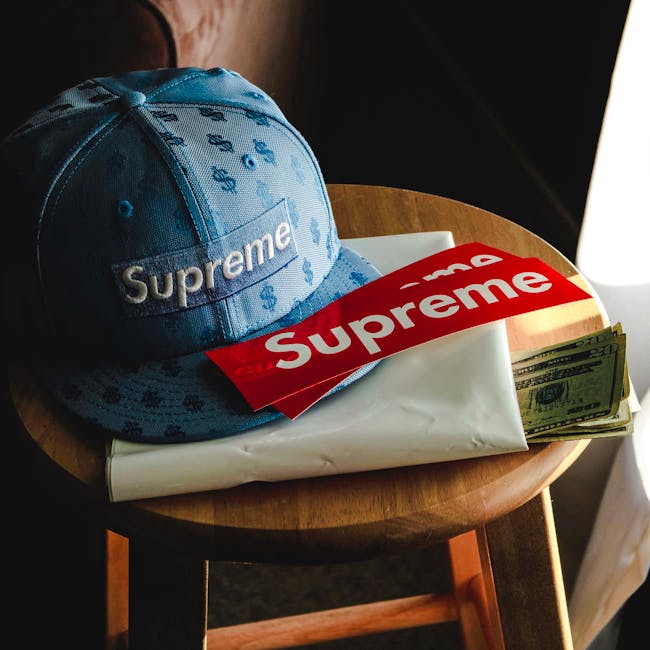
What is Analyzing Product?
Introduction
In the modern world of brand and logo design, product analysis stands as a critical pillar. It’s not merely about the aesthetics or the catchy slogans; it’s a deep dive into understanding products in their entirety. This process helps brands not only survive but thrive by crafting messages and visuals that resonate with their target audience. So, why is product analysis so important, and how does it shape the brand narrative?
Understanding Analyzing Product
Product analysis is a systematic approach to evaluating a product’s features, performance, and market position. It’s about dissecting the elements that make the product tick and understanding how these elements align with the market demands. Analyzing products is crucial in design because it helps brands craft authentic and resonant messages.
Importance of Product Analysis in Branding
Branding is like painting a picture, and product analysis is your palette. According to Mike Vestil’s blog, product analysis involves studying features, customer preferences, and market trends, allowing brands to position themselves strategically. Without it, you risk painting a picture that doesn’t connect with your audience.
Key Components of Product Analysis
Product analysis involves several key components:
-
Market Position: Understanding where the product fits within the market landscape.
-
Customer Insights: Gleaning insights on customer needs and preferences.
-
Competitive Analysis: Identifying what competitors are doing well and where they fall short.
Each component acts like a piece of a puzzle, allowing brands to see the bigger picture.
Methods for Analyzing Products
The methods used in product analysis are as varied as the products themselves. From qualitative insights to quantitative data, the tools at your disposal are vast.
Qualitative vs. Quantitative Analysis
Qualitative methods focus on understanding the ‘why’ behind consumer behaviors. These might include interviews or focus groups. Quantitative analysis, on the other hand, deals with numbers and data. It’s about measuring, counting, and comparing. Both have their place—qualitative for depth, quantitative for breadth.
Market Research Techniques
Market research is the backbone of product analysis. Techniques like surveys, focus groups, and even social media listening play a crucial role in understanding the market dynamics. The LaunchNotes blog provides a comprehensive guide on these techniques, offering valuable insights into the world of product analysis.
Competitor Analysis
Understanding what your competitors are up to can give you a leg up in the market. It’s not just about copying what works, but about innovating and improving. Sites like Product School delve into the depths of competitor analysis, explaining how to leverage this information effectively.
Applying Analyzing Product to Brand and Logo Design
Once you’ve gathered all your insights, it’s time to apply them to your brand and logo design.
Identifying Target Audience Needs
Knowing your audience is akin to holding a compass; it guides your design direction. Understanding what the audience needs and expects can transform a standard design into a meaningful experience. As The Business Toolkit suggests, analyzing competitors can provide a window into audience expectations and preferences.
Incorporating Insights into Design Strategies
The insights from product analysis inform every aspect of design strategy. It’s about taking what you’ve learned and weaving it into your brand’s story. This not only makes your brand recognizable but also relatable. Sites like WebFX discuss how successful logo design integrates product specs and market research to create a cohesive brand image.
Conclusion
In conclusion, analyzing products is not just a step in the design process; it’s the foundation upon which successful brands are built. By understanding the market, identifying audience needs, and leveraging competitor insights, brands can craft logos and identities that stand the test of time. In a world where first impressions last, product analysis is your ticket to creating a brand that not only looks good but also feels right.
 Photo by Riley Franzke