What is 3D Concept Art?
In a world where first impressions are everything, 3D Concept Art has emerged as a powerful tool in branding and logo design. It’s not just about creating pretty pictures; it’s about telling a story that resonates with your audience. This art form has the unique ability to bring imagination to life, crafting visual narratives that captivate and engage. From enhancing brand identity to shaping compelling logos, 3D Concept Art is revolutionizing how we perceive design.
Understanding 3D Concept Art
Definition and Purpose
3D Concept Art is a fascinating blend of creativity and technology. At its core, it involves creating three-dimensional visuals that serve as the foundation for various design projects. These visuals are not just for aesthetics; they play a crucial role in visualizing complex ideas and concepts before they become tangible products. Whether you’re a game developer or a brand strategist, 3D Concept Art helps turn abstract ideas into reality, making it an essential tool in the creative process.
Historical Context
The journey of 3D Concept Art is as dynamic as the art itself. It began its ascent with the advent of computer graphics in the late 20th century, evolving rapidly with advancements in technology. Initially, it was primarily used in video game design and film production. However, its application has significantly broadened over the years, finding its way into advertising, architecture, and branding and logo design. Today, it stands as a testament to how far technology and artistry have progressed.
Tools and Software for 3D Concept Art
Popular Software Options
Creating stunning 3D Concept Art requires the right tools. Several software options have become staples in the industry:
-
Blender: Known for its versatility and open-source nature, Blender offers a comprehensive suite of tools for modeling, texturing, and rendering. It’s a favorite among beginners and professionals alike.
-
Autodesk Maya: Often used in the film and gaming industries, Maya is renowned for its powerful modeling and animation capabilities. It’s the go-to software for those who need advanced features.
-
ZBrush: Specializing in digital sculpting, ZBrush is perfect for artists who want to create highly detailed models. It’s particularly popular for character design and intricate textures.
Choosing the Right Tools
Selecting the right software can be daunting, but it boils down to your project’s needs. If you’re just starting, Blender might be your best bet due to its user-friendly interface and cost-effectiveness. For more complex projects, Autodesk Maya offers robust features that can handle intricate designs. Evaluate your project’s requirements and your proficiency level to make an informed choice.
The Process of Creating 3D Concept Art
Research and Inspiration
Every great design starts with research. Before diving into the creative process, gather references and inspiration from multiple sources. This could be anything from nature, architecture, or existing artworks. Understanding the theme and context of your project provides a solid foundation and sparks creativity.
Sketching Concepts
The initial sketching phase is where ideas begin to take shape. It’s a crucial step that involves translating visual concepts onto paper or a digital canvas. This phase allows for experimentation and iteration, helping to refine your vision before moving to 3D modeling. A strong sketch sets the stage for a successful 3D model.
Modeling and Texturing
Once the concept is sketched out, the real magic happens. Modeling involves creating a 3D representation of your sketch, focusing on shape, form, and structure. Texturing follows, adding depth and realism to the model. This stage requires meticulous attention to detail, as textures breathe life into the design, enhancing its visual appeal and authenticity.
Applications of 3D Concept Art in Branding and Logo Design
Brand Storytelling
In the competitive realm of branding, storytelling is key. 3D Concept Art allows brands to convey their narrative in a visually compelling manner. By creating immersive visuals, brands can communicate their values and mission effectively, leaving a lasting impression on their audience. This art form transforms abstract ideas into vivid stories that resonate and inspire.
Creating Unique Logos
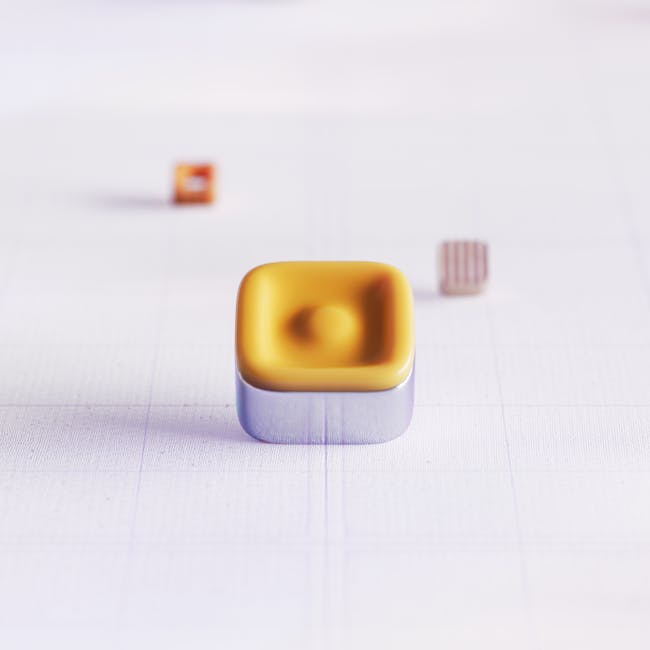
A logo is more than just a symbol; it’s the face of a brand. Incorporating 3D elements into logo design can make it stand out, adding depth and dimension that capture attention. Whether it’s a sleek metallic finish or a dynamic geometric shape, 3D Concept Art provides endless possibilities for creativity, ensuring that logos are not only unique but memorable.
Conclusion
In the ever-evolving landscape of design, 3D Concept Art stands as a beacon of innovation and creativity. Its ability to transform ideas into captivating visuals makes it an invaluable asset in branding and logo design. As we continue to explore its possibilities, 3D Concept Art promises to redefine how we create and consume visual content. So why not dive in and discover the potential of this exciting art form for yourself? Embrace the future of design and let your imagination soar.
 Photo by Google DeepMind