Television and Display Industry Logo Design Ideas
Want to create a logo that truly captures the essence of your television or display brand? This guide provides crucial ideas and inspiration for crafting a powerful visual identity. Learn how to design effective logos for your business within the television and display industry.
Key Characteristics of Television and Display Logos
Logos in the television and display industry have specific needs. A successful logo is recognizable at a glance. It must instantly communicate your brand's identity and values. Consider these key characteristics when designing:
Visual Clarity
Visual clarity is paramount. High-resolution graphics and crisp typography are essential. Avoid overly complex designs. Your logo needs to be easily readable and understandable on various sizes and media, from a billboard to a smartphone screen.
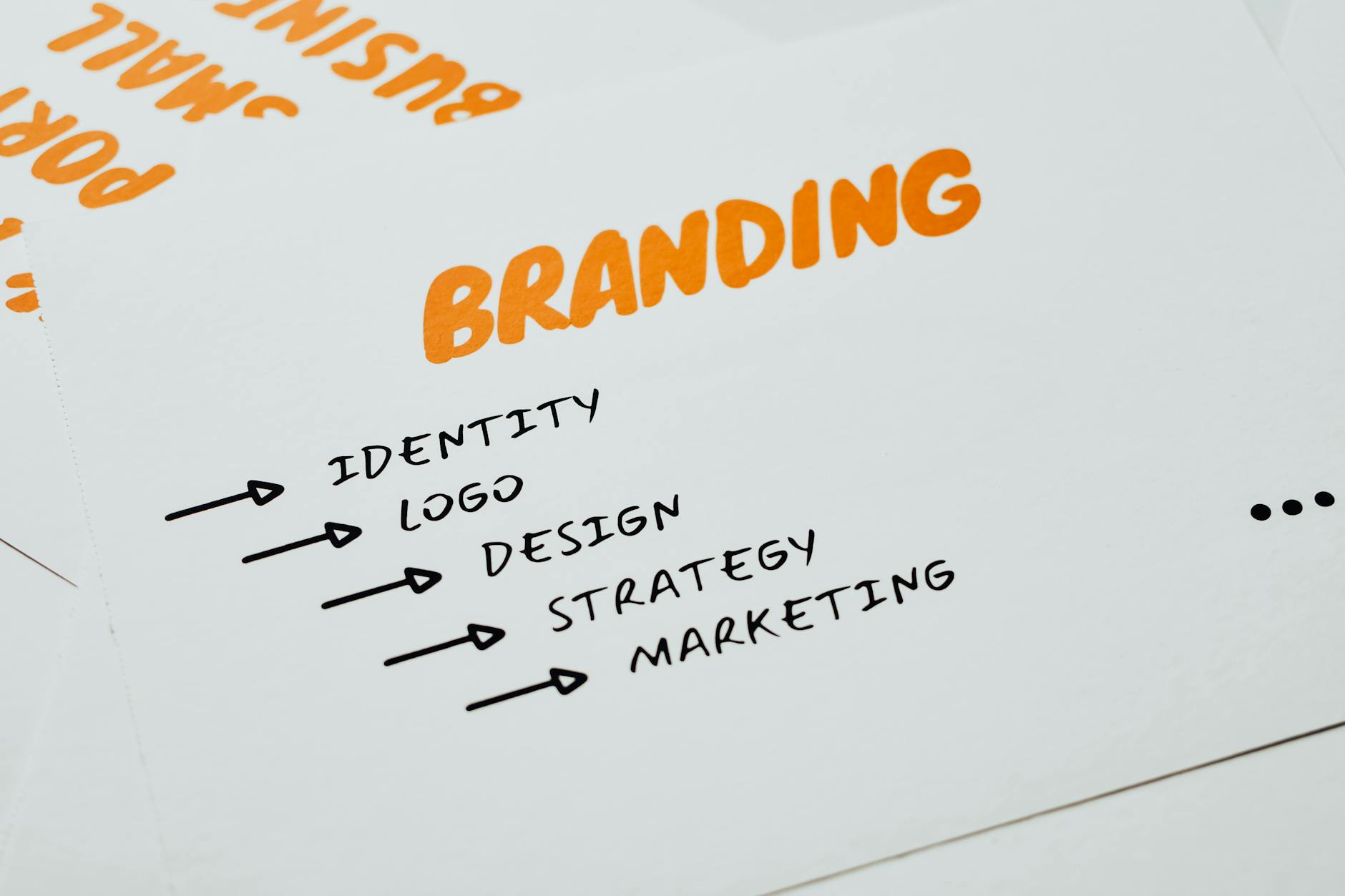 Photo by Eva Bronzini https://www.pexels.com/@eva-bronzini
Recognizability
Memorability matters. A logo that's easily remembered helps build brand recognition. Think about logos you instantly recognize – they're typically simple, memorable, and consistently used.
Industry Relevance
Your logo should reflect the essence of the television and display industry. Does your brand specialize in cutting-edge technology? Or perhaps high-quality home entertainment? Your logo should clearly communicate that message. Look to successful examples in the industry for inspiration.
Ideation Techniques for Display Logos
Creating a logo is a process. Here are some ideation techniques for your display or television brand:
Brainstorming and Sketching
Start by brainstorming keywords and concepts related to your television or display brand. Then, translate these into visual sketches. Experiment with different shapes, lines, and colors. Don't be afraid to try new things.
Consider different concepts to bring your logo vision to life. Use the Logo Maker Shop to translate your ideas into professional-looking logos. https://logoshop.app.link/landingpage
Color Palette Selection
Colors evoke emotions and can communicate your brand's identity. A sophisticated color palette can create an image of excellence. For example, rich blues and silvers can suggest high-end technology, while warmer tones might evoke a more approachable and family-friendly feel. Learn more about color palette selection with the Logo Maker Shop. https://logoshop.app.link/landingpage
Typography Choices
Typography plays a significant role in logo design. Choose fonts that align with your brand's personality. A modern, sleek font might be suitable for a cutting-edge brand, while a classic, elegant font might convey heritage and quality. Experiment with different fonts and sizes to find the right fit.
Inspiration and Case Studies
Looking at existing successful logos can be a valuable source of inspiration.
Recognizable Logos in the Industry
Examine existing logos and analyze what makes them effective. Consider how they communicate the brand identity in the television and display industry. Analyze the colors, fonts, and overall design.
Trends in Television and Display Logos
Staying up-to-date on current trends can give your logo a fresh feel. What elements are emerging as popular choices in this sector? What new approaches are being used in television or display logo design?
Conclusion
Creating a compelling logo is a vital part of branding. Effective logos in the television and display industry should be instantly recognizable and clearly convey your brand's essence and values. Remember, the Logo Maker Shop can be an invaluable resource for generating logo ideas and bringing your concepts to life.

Michael Harper is a Senior Content Strategist at MarketInsider.co, a premier source for insights on digital marketing and business trends. With over 15 years of expertise in content development and strategic communications, Michael is renowned for his ability to craft compelling narratives that resonate with diverse audiences. He holds a Bachelor’s degree in Journalism from New York University and a Master’s degree in Business Administration from Columbia Business School. Outside of work, Michael is passionate about historical literature and enjoys hiking the trails of the Pacific Northwest.