Tea Tourism Industry Logo Design Ideas
The tea tourism industry is blossoming, attracting an ever-growing audience looking for unique experiences rooted in the culture and tradition of tea. A compelling logo plays a critical role in this industry. It not only communicates the brand’s value and identity but also entices customers into your world of tea-related experiences. As more people seek out tea tourism, the importance of a strong, distinctive logo design can't be overstated. Let’s explore how you can create a logo that stands out in this vibrant sector.
Understanding the Tea Tourism Industry
Tea tourism isn’t just about sipping a cup of tea; it’s an exploration of heritage, flavors, and the lush environments where tea is cultivated. This industry targets culturally inclined individuals, travel enthusiasts, and wellness seekers who want to immerse themselves in tea-centric destinations.
Key Characteristics of Tea Tourism
Tea tourism is rich with cultural significance and offers a variety of experiences. Visitors can tour tea gardens, participate in tea tastings, and learn about the intricate processes of tea production. The unique aspects that define this industry include:
- Cultural Experience: Learning about traditional tea ceremonies and local customs.
- Historical Enrichment: Exploring the history of tea, its origins, and its journey through different cultures.
- Sensory Exploration: Engaging the senses with taste, smell, and sight through immersive tea experiences.
Target Audience for Tea Tourism
The typical tea tourism customer often includes:
- Demographics: Primarily individuals aged 25-55, often professionals and retirees.
- Psychographics: They are interested in health, wellness, and sustainability and are likely to travel to seek authentic cultural experiences.
Understanding these aspects helps in creating an effective logo that speaks directly to your audience's desires and interests.
Essential Elements for Effective Logo Design
Designing a logo for the tea tourism industry requires attention to specific elements that resonate with the audience.
Color Psychology in Tea Tourism Logos
Colors have the power to evoke emotions and convey messages. Consider these hues:
- Green: Represents freshness, growth, and the lushness of tea fields.
- Brown: Symbolizes earthiness and warmth, often associated with quality and tradition.
- Pastel colors: Offer a calming effect and relate well to serenity.
Typography Choices
Selecting the right font is crucial. Here are some suggestions:
- Serif fonts: These can impart a traditional look, reflecting the history behind tea.
- Script fonts: Ideal for a hand-crafted feel, evoking artisan values.
Always prioritize legibility to ensure your brand identity remains clear.
Imagery and Symbols
Common symbols you might consider incorporating include:
- Tea leaves: Instantly recognizable and very relevant.
- Tea cups or teapots: Conveys the action of enjoying tea.
- Landscapes: Mountains or rolling hills can illustrate connection to tea gardens.
Ideation Techniques for Logo Design
Once you have a vision of your essential elements, it's time to brainstorm and develop your logo ideas.
Research and Inspiration
Start by looking at existing logos in the tea tourism sector and beyond. Resources like the Logo Maker Shop can provide valuable insights and inspiration.
Sketching and Prototyping
When you start sketching, don't hold back. Create multiple iterations and variations. Prototyping allows you to visualize concepts and see what resonates best.
Seeking Feedback
Gather opinions from potential customers or peers. Feedback is invaluable in refining your ideas and ensuring your logo communicates the right message.
Trends in Tea Tourism Logo Designs
Keeping up with design trends can breathe fresh air into your logo development.
Minimalism in Logo Design
In the age of information overload, minimalistic designs create a stronger impact. They focus on essential elements, making your logo easily recognizable.
Hand-drawn and Artisan Styles
Logos with hand-drawn elements evoke authenticity and craftsmanship. Such designs create a personal touch, making your brand feel more relatable.
Sustainability and Eco-friendliness
More brands are pushing for eco-conscious branding. This approach not only resonates with modern consumers but also reflects the values of the tea tourism industry.
Case Studies: Successful Tea Tourism Logos
To truly grasp effective logo design, let’s examine some standout examples and see what we can learn from them.
Breaking Down Successful Logos
Successful tea tourism brands often have vibrant, meaningful logos that reflect their unique offerings and values. Analyze these logos in-depth to understand their design choices and how they communicate brand identity.
Lessons Learned from Successful Brands
Consider what successful brands do well:
- Cohesiveness: Their logos align with the overall brand message.
- Relevance: They effectively resonate with target audiences.
By taking note of these traits, you can craft a logo that encapsulates your brand’s essence.
Conclusion
A well-designed logo is essential in the tea tourism industry. It’s the first thing customers notice, and it creates a lasting impression. By understanding your audience and integrating the design principles we've discussed, you can create a unique logo that stands out in a competitive landscape.
Ready to start your logo design journey? Tap into tools at the Logo Maker Shop for inspiration and to create a logo that reflects your brand's unique voice and charm. Embrace your creativity, and let your logo be the gateway to wonderful tea experiences!
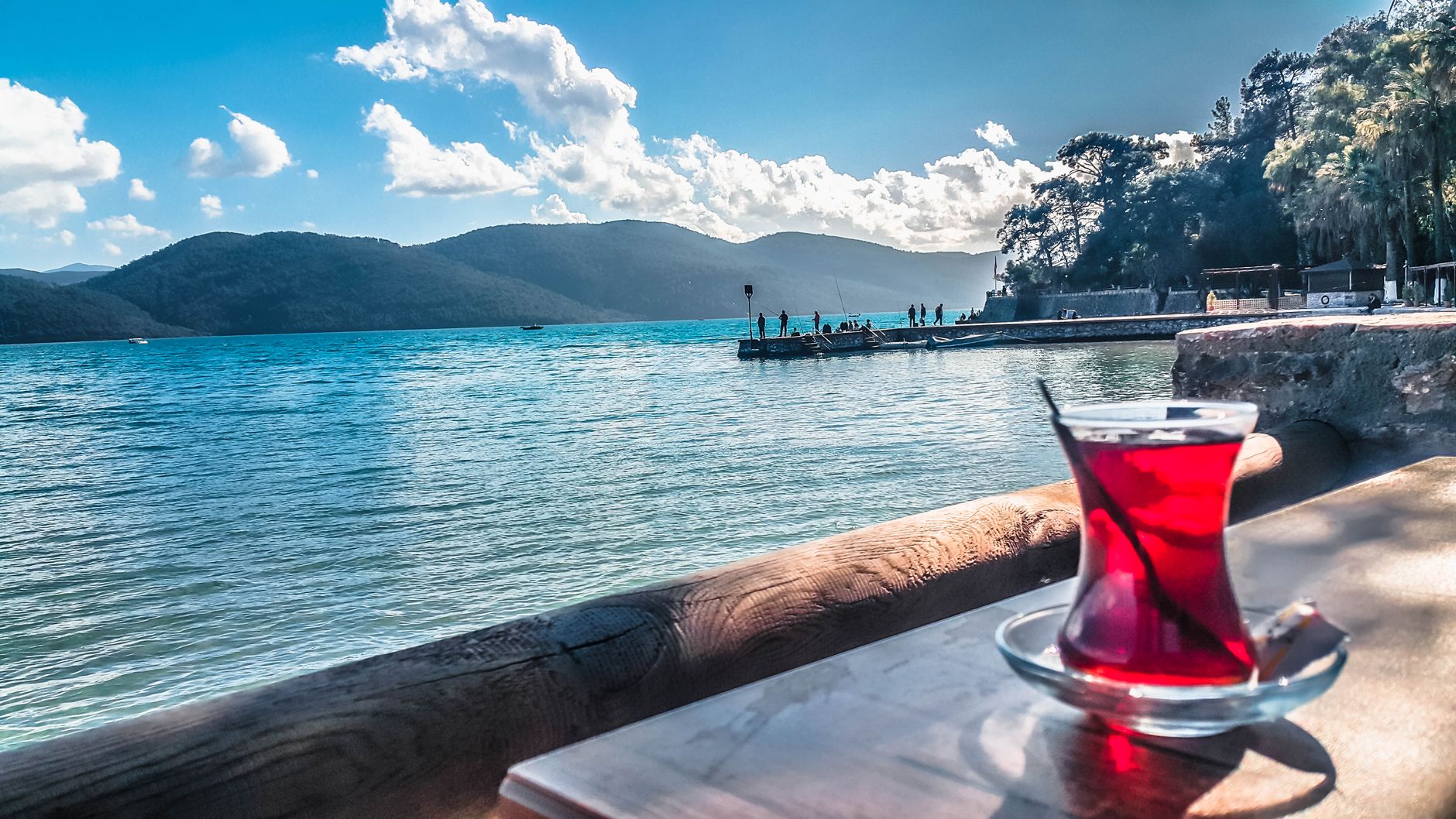
Photo by Nihat

Michael Harper is a Senior Content Strategist at MarketInsider.co, a premier source for insights on digital marketing and business trends. With over 15 years of expertise in content development and strategic communications, Michael is renowned for his ability to craft compelling narratives that resonate with diverse audiences. He holds a Bachelor’s degree in Journalism from New York University and a Master’s degree in Business Administration from Columbia Business School. Outside of work, Michael is passionate about historical literature and enjoys hiking the trails of the Pacific Northwest.