Tattoo Lightening Industry Logo Design Ideas
In the vibrant and evolving realm of the tattoo lightening industry, a well-crafted logo is more than a mere graphic; it embodies the essence and identity of a brand. A strong logo serves as a visual ambassador, instantly communicating the values of your business while attracting potential clients. But what makes a logo stand out in such a competitive field? Here, we explore the critical elements of effective logo design for the tattoo lightening industry, offering inspiration and practical advice for creating a logo that truly resonates.
Key Characteristics of Effective Tattoo Lightening Logos
The tattoo lightening industry is unique, and your logo should reflect that. Effective logos in this sector share some essential characteristics:
- Clarity and Simplicity: A clean design enables your audience to grasp your message instantly. Overly complex logos can confuse potential customers.
- Relevance: Your logo should align with the services you offer. In the case of tattoo lightening, visual elements related to light, laser, or recovery are particularly relevant.
- Memorability: Aim for a design that lingers in people's minds. An unforgettable logo can enhance brand recall among clients.
Symbolism in Tattoo Lightening Logos
Incorporating symbols into your logo can communicate complex ideas quickly. Common symbols for tattoo lightening logos include:
- Lightning Bolts: They symbolize speed and efficiency, perfect for conveying the immediacy of tattoo removal.
- Laser Imagery: Using a laser icon can directly relate to the service provided, making it clear what you specialize in.
Each of these symbols can evoke emotions and ideas that align with your brand's mission.
Color Schemes That Work
Color plays a vital role in logo design. Different shades can trigger various psychological responses. Here are some effective color palettes for your tattoo lightening logo:
- Blue: Often associated with trust and professionalism, blue can comfort clients who may feel nervous about tattoo removal procedures.
- Green: Symbolizing healing and renewal, green can convey a sense of hope and rejuvenation.
- Black and White: A monochrome palette offers a timeless elegance, making your logo appear classic and sophisticated.
Font Choices and Typography
The fonts you choose can shape perceptions of your brand. A bold, modern typeface might resonate with a tech-savvy audience, while a more script-like font can convey artistry. Here are some tips:
- Readability is Key: Your audience should easily read the name of your business. Avoid overly ornate fonts that complicate clarity.
- Match the Tone: Ensure that your font reflects your brand's personality—whether it's edgy, professional, or artistic.
Ideation Techniques for Logo Design
Crafting a standout logo begins with brainstorming. Here are some ideation techniques that can spark creativity:
Inspiration from Competitors
By studying existing logos in the tattoo lightening industry, you can spot trends, strengths, and weaknesses. Look for what works and what doesn’t to carve out your unique space. Analyze the following:
- Colors used
- Symbol choices
- Overall layout
Utilizing Logo Maker Shop Resources
The Logo Maker Shop stands out as a valuable tool for creating custom logos. Its easy-to-use platform allows you to tweak templates specifically designed for the tattoo lightening industry. Check out their resources for inspiration on design principles and trending elements.
Sketching and Prototyping Ideas
Before jumping into digital design, sketch your ideas on paper. This stage allows for flexibility and the exploration of concepts without the pressure of permanence. Experiment with various layouts and visual elements until you settle on a concept that truly resonates.
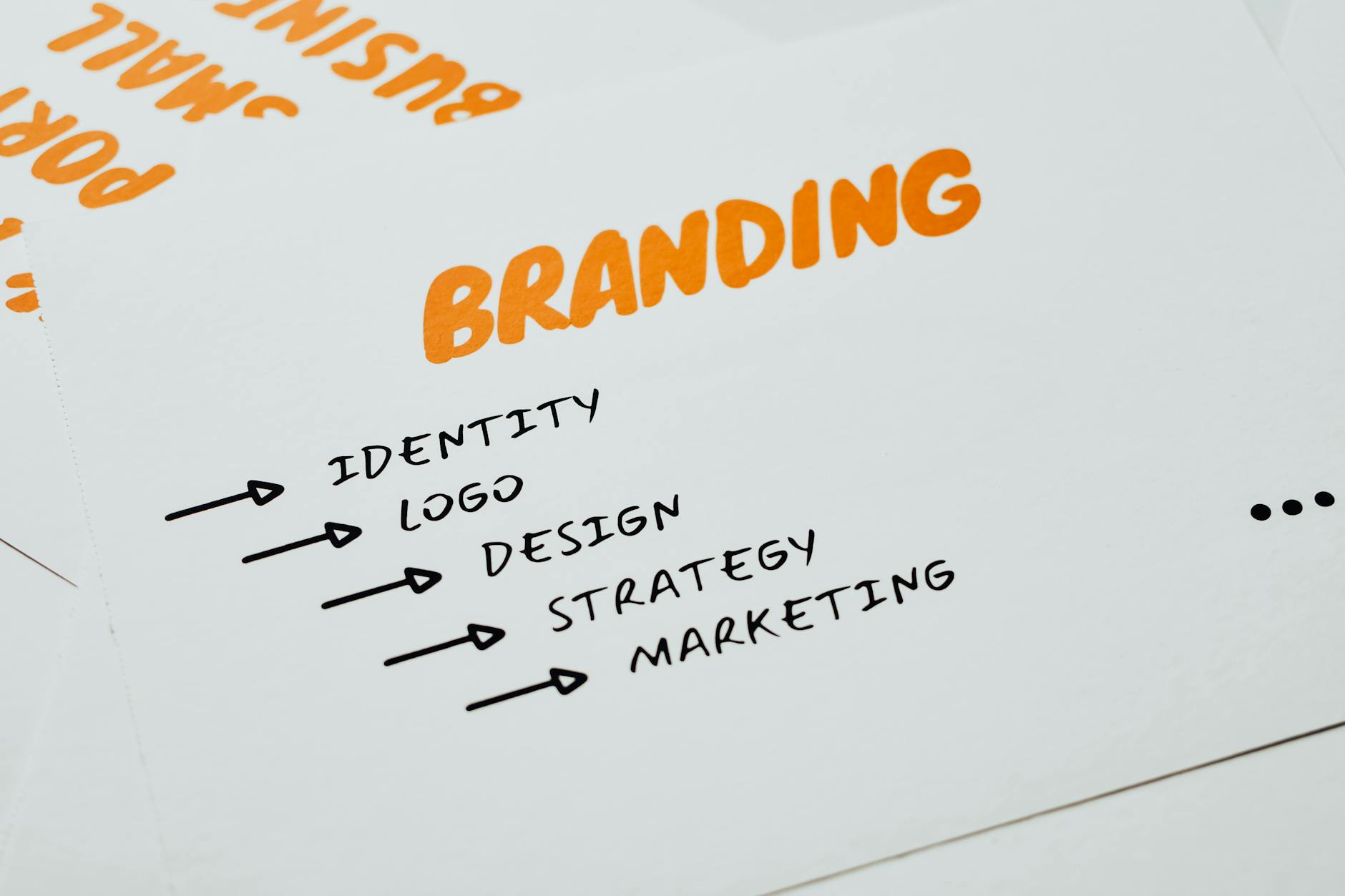 Photo by Eva Bronzini
Trends in Tattoo Lightening Logo Designs
Understanding current trends can guide your logo design process. Here are a few significant movements in the industry:
Minimalism vs. Complexity
While intricate designs can be appealing, minimalist logos often make a more significant impact. A simple logo is easier to reproduce across various mediums—from business cards to signage—while maintaining clarity.
Dynamic Logos and Versatility
More brands are embracing logos that can adapt to different contexts or alterations based on various campaigns. Such versatility can keep your brand feeling fresh and relevant.
Case Studies of Successful Logos
Look to successful examples within the industry for inspiration. Some well-designed logos effectively convey the essence of tattoo lightening services, blending symbols and color creatively.
Putting It All Together: Practical Tips
As you embark on creating your tattoo lightening logo, keep these actionable steps in mind:
Using the Logo Maker Shop for Your Design Needs
The Logo Maker Shop offers a user-friendly interface that will empower you to design a professional logo in no time. Check out their platform to access numerous templates tailored for the tattoo lightening sector.
Feedback and Iteration Process
Once you've created a logo, seek feedback from peers or potential clients. Constructive criticism can help you refine your design. Iteration is a crucial part of the design process—don’t shy away from revising your logo based on insights.
Conclusion
Embrace creativity in your logo design journey! A well-crafted logo can significantly increase your business's visibility and credibility in the tattoo lightening industry. By paying attention to design fundamentals—like symbolism, color schemes, and typography—you can create a logo that resonates with clients and sets the stage for your brand's success. Equip yourself with the tools and resources to unleash your unique design vision, and watch your brand thrive.

Michael Harper is a Senior Content Strategist at MarketInsider.co, a premier source for insights on digital marketing and business trends. With over 15 years of expertise in content development and strategic communications, Michael is renowned for his ability to craft compelling narratives that resonate with diverse audiences. He holds a Bachelor’s degree in Journalism from New York University and a Master’s degree in Business Administration from Columbia Business School. Outside of work, Michael is passionate about historical literature and enjoys hiking the trails of the Pacific Northwest.