Sustainable Marble Industry Logo Design Ideas
In the dynamic world of branding, a logo can be a powerful representation of a company's ethos, especially in industries like sustainable marble. A well-crafted logo not only encapsulates the essence of premium quality and sustainability but also makes an emotional connection with potential customers. As awareness about environmental issues rises, businesses seeking to establish themselves in the sustainable marble sector must ensure their logos resonate with eco-friendly values. Let’s explore some innovative ideas and principles that can guide you in designing a standout logo.
Key Characteristics of Sustainable Marble Logos
Creating an effective logo for the sustainable marble industry demands careful consideration of several critical characteristics. Each element contributes to representing the values inherent in sustainability and premium quality.
Natural Color Palettes
The colors you choose can evoke a sense of nature and tranquility. Using earthy tones like greens, browns, and soft whites connects directly to sustainability. These colors not only speak of the natural environment but also imply reliability. A logo that features a natural palette can set expectations for the quality of your products.
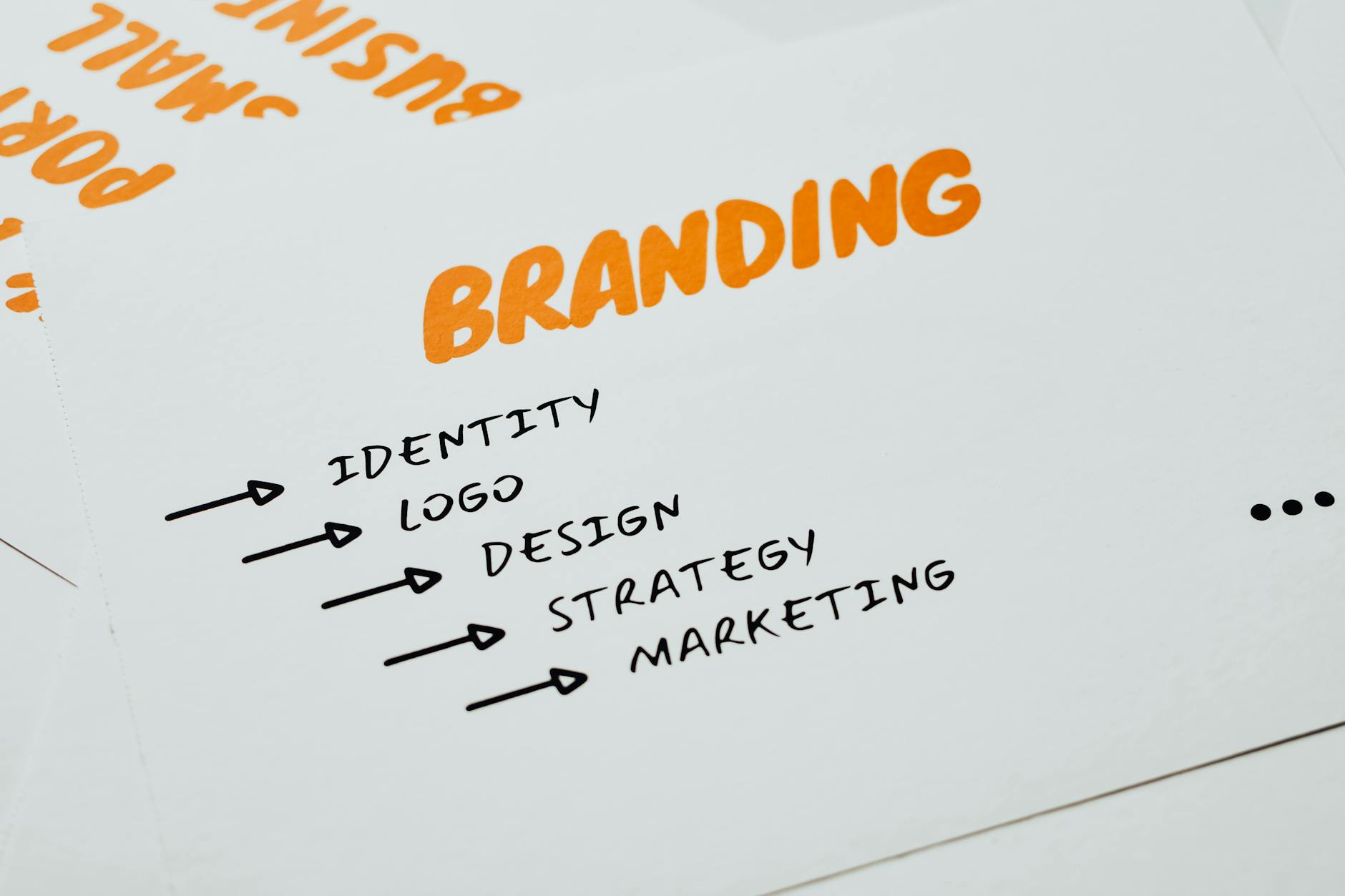
Photo by Eva Bronzini
Incorporating Marble Textures
To give a direct reference to your product, integrate marble textures into your logo design. This approach establishes a visual connection to the material you are representing. Consider using subtle patterns or textures that mimic the natural veins found in marble. This not only adds depth to your logo but also reinforces the authenticity of your brand.
Simplicity and Clarity
A clean and straightforward design can be highly effective. It ensures that your message is easily understood at a glance. Avoid overly complex elements; instead, focus on clarity. A simple logo can also be more versatile, ensuring it looks great on various platforms, from print to digital.
Design Principles for Creating a Sustainable Marble Logo
When you sit down to design your logo, keep these fundamental principles in mind for creating a lasting impression.
Research and Understand the Market
Before starting your design process, analyze your competitors and the broader market. Identify trends, common themes, and unique approaches. This research helps you understand what works and what doesn’t, setting a foundation for your logo's unique qualities. Understanding your audience's preferences is equally vital. Use insights gathered to inform your design decisions.
Brainstorming Techniques
Getting your creative juices flowing can be challenging. Try methods like mind mapping or sketching to generate ideas. Don’t be afraid to jot down every thought—great ideas can often emerge from unusual connections. Involve others in your brainstorming process to gain diverse perspectives.
Use of Symbolism
Incorporate symbols that reflect nature and sustainability within your designs. Images of leaves, earth elements, or even abstract representations of marble can enhance the narrative of your brand's commitment to the environment. Use symbolism to create a story around your logo, making it memorable and meaningful to your audience.
Creative Inspiration for Marble Industry Logo Designs
Inspiration can be found all around you. Let’s explore some ways to ignite your creativity.
Successful Case Studies
Look at existing sustainable marble logos that resonate with audiences. For instance, brands that successfully incorporate elements of nature into their designs tend to create a stronger emotional appeal. Analyze what aspects make their logos effective and how you can adopt similar strategies without imitation.
Trends in Logo Design for Sustainability
Stay updated on trends that emphasize eco-friendliness in design. Minimalism is one trend that has gained traction, where less is truly more. Combining this with earthy color schemes can create a striking effect. Look for unique ways brands are embracing sustainability and design with that ethos in mind.
Visualizing Your Concepts
Mood boards and sketches can aid in visualizing your ideas. Collect images, colors, and textures that resonate with your vision. Use them as inspiration to refine your concept before jumping into digital design.
Steps to Create Your Sustainable Marble Logo
Creating a logo might seem daunting, but breaking it down into manageable steps can simplify the process.
Using Logo Maker Shop for Design
Try out the Logo Maker Shop to easily create a logo that fits the sustainable marble industry. The platform offers intuitive tools to help you design professional logos in just a few minutes, allowing you to explore countless templates and customization options tailored specifically to your industry.
Finalizing Design Choices
Once you’ve settled on a design, consider various factors before finalizing it. Ensure your logo is scalable for different applications, from business cards to large signage. Maintaining consistency across all branding materials is crucial, so keep your color palette, font styles, and overall aesthetics uniform. Ask for feedback from peers or potential customers to ensure your logo resonates with your audience.
Conclusion
A well-designed logo plays a vital role in representing sustainability in the marble industry. It can encapsulate your brand’s values while appealing to environmentally conscious consumers. By focusing on natural color choices, incorporating marble textures, and adhering to design principles, you can craft a logo that truly stands out. Ready to take the plunge into logo creation? Start with reliable tools and insights, and let your creativity lead the way in making an impactful brand presence.

Michael Harper is a Senior Content Strategist at MarketInsider.co, a premier source for insights on digital marketing and business trends. With over 15 years of expertise in content development and strategic communications, Michael is renowned for his ability to craft compelling narratives that resonate with diverse audiences. He holds a Bachelor’s degree in Journalism from New York University and a Master’s degree in Business Administration from Columbia Business School. Outside of work, Michael is passionate about historical literature and enjoys hiking the trails of the Pacific Northwest.