Sustainable Footwear Industry Logo Design Ideas
In today's environmentally conscious world, your logo plays a crucial role in representing your brand within the sustainable footwear industry. A well-designed logo can reflect your values, tell a story, and resonate with eco-conscious consumers. It’s more than just an image; it’s the face of your brand that communicates your commitment to sustainability.
Understanding Sustainable Footwear Branding
Creating a compelling brand in the sustainable footwear sector involves understanding its core principles. Your brand identity hinges on the promise you make to your consumers: to offer products that are not only stylish but also eco-friendly.
Eco-Friendly Materials and Values
Using sustainable materials significantly influences your logo design. For instance, if your footwear is made from recycled materials, this can be symbolically represented in your logo. Consider using textures or patterns that mimic sustainable fabrics.
Aligning your emblem with eco-friendly practices demonstrates to consumers that your brand is committed to making a positive environmental impact. This connection will help engage customers who prioritize sustainability.
Target Audience Insights
Understanding who your customers are is a game-changer for logo design. The target audience for sustainable footwear often includes environmentally conscious individuals, fashion-forward consumers, and those interested in ethical choices. Knowing their preferences can guide your design decisions.
For example, younger consumers may appreciate modern, minimalist logos that convey transparency and innovation, while older audiences might prefer classic and timeless designs that highlight quality and craftsmanship.
Brand Storytelling Through Design
Effective branding tells a story. Your logo needs to communicate the narrative behind your brand—how it began, what it stands for, and the journey it took to become a sustainable option. This storytelling could be visual, such as using an icon that represents nature, or it could be more abstract, like a fluid shape that symbolizes movement toward a greener future.
Key Characteristics of Sustainable Footwear Logos
The best sustainable footwear logos embody certain characteristics. These not only help to establish identity but also enhance recognition and recall.
Simplicity and Clarity
A sleek, simple logo often has the most impact. Keep your design uncluttered and straightforward, making sure the imagery resonates with your sustainability message.
Consider how your logo looks at different sizes and on various backgrounds. If it can be easily recognized and understood in every context, it is likely to resonate better with consumers.
Natural Color Palettes
Natural colors reflect sustainability and connect with eco-conscious consumers. Think earthy tones like greens, browns, and soft neutrals. Such colors can evoke feelings of calmness and reliability, aligning perfectly with the ethical narrative you want to portray.
Imagery and Icons Relevant to Sustainability
Using imagery that relates to sustainability can make a powerful statement. Icons like leaves, trees, or even the recycling symbol can emphasize your commitment to eco-friendly practices. However, ensure these images are unique and not overly clichéd to stand out in a crowded market.
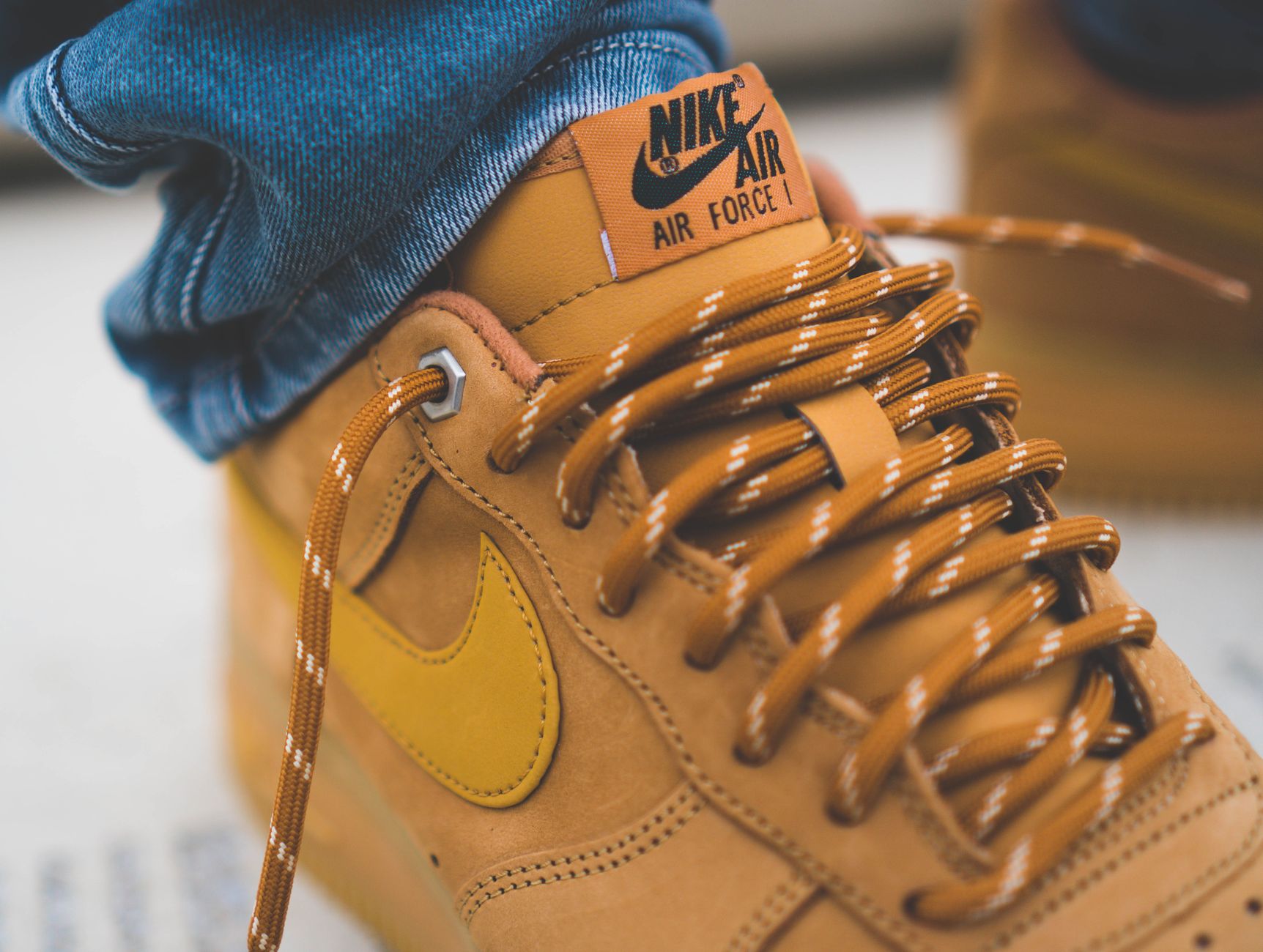
Photo by Grailify
Practical Design Techniques for Logo Creation
Creating a logo involves both creativity and practical techniques. Here's how you can streamline the process.
Brainstorming Ideas Effectively
Start by jotting down ideas that resonate with your brand message. Conduct a brainstorming session that includes your team or trusted colleagues. Exploring different perspectives can spark innovative concepts that truly represent your commitment to sustainability.
Using Online Tools for Logo Development
Utilizing a platform like the Logo Maker Shop can significantly simplify your design process. With user-friendly interfaces and customizable templates, you can create logos that align perfectly with your sustainable vision without needing extensive design skills.
Iterating and Gathering Feedback
Testing your logo concept is critical. Share it with a small group of target audience members and gather feedback. Listen to their impressions and suggestions to refine your design until it captures your brand identity accurately.
Inspiring Examples of Sustainable Footwear Logos
Let’s look at some successful logos from the sustainable footwear industry that exemplify effective design.
Case Studies of Notable Brands
Brands like Allbirds and Veja have made their mark with logos that reflect their commitment to sustainability. Allbirds uses a simple, bird-inspired design that conveys its eco-friendly ethos, while Veja incorporates a distinctive “V” made from organic materials in its logo, making a powerful statement about sourcing.
Emerging Trends in Sustainable Logo Design
As consumer preferences shift, logo design trends are also evolving. Minimalism continues to dominate, with brands opting for clean lines and uncomplicated designs. Another notable trend is the use of hand-drawn elements that can evoke a sense of authenticity and personal touch, making the brand feel more approachable.
Conclusion and Next Steps
Creating a logo for your sustainable footwear brand is an opportunity to make a statement about your values and commitment to the environment. Aim for simplicity, a harmonious color palette, and meaningful imagery. With the right tools like the Logo Maker Shop, your design journey can be both creative and efficient.
Take the first step today in crafting a logo that truly represents your brand and resonates with customers who value sustainability. By doing so, you'll not only enhance your brand identity but also contribute to a more environmentally friendly future.

Michael Harper is a Senior Content Strategist at MarketInsider.co, a premier source for insights on digital marketing and business trends. With over 15 years of expertise in content development and strategic communications, Michael is renowned for his ability to craft compelling narratives that resonate with diverse audiences. He holds a Bachelor’s degree in Journalism from New York University and a Master’s degree in Business Administration from Columbia Business School. Outside of work, Michael is passionate about historical literature and enjoys hiking the trails of the Pacific Northwest.