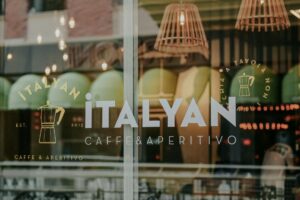
Restaurant Point Of Sale (POS) Industry Logo Design Ideas
When you think about branding in the restaurant Point Of Sale (POS) industry, the logo often becomes the first impression. A well-designed logo not only identifies your business but also communicates your brand values and conveys professionalism. In a competitive market, your logo can differentiate your services from others, appeal to potential clients, and foster trust. Let's explore essential concepts for creating compelling logos tailored to the restaurant POS industry.
Understanding the Restaurant Point Of Sale (POS) Industry
The restaurant POS industry is defined by its unique blend of technology and customer service. POS systems serve as an essential tool for managing transactions, tracking sales, and enhancing customer experience.
Market Characteristics
In the restaurant sector, the POS market must adapt to various functionalities. These can include mobile ordering, table management, inventory tracking, and reporting systems. Your logo should represent the innovative nature of your product while being recognizable to both restaurant owners and their customers.
Target Audience
Your target audience includes restaurant owners, managers, and staff who seek reliable and efficient systems for promoting their business. Crafting a logo that resonates with this group requires understanding their needs, which often revolve around simplicity, efficiency, and user-friendliness. A logo catering to this audience must communicate ease of use and reliability.
Key Characteristics of Effective Restaurant POS Logos
To create a successful logo in the restaurant POS industry, certain traits should be prioritized.
Simplicity and Clarity
A clean and straightforward design works wonders. It ensures that your logo is easily recognizable, whether it's displayed on a screen or printed on a shirt. Think of widely recognized logos; their simplicity is what sets them apart. Your audience should know what your brand offers at first glance.
Color Psychology
Colors have a significant impact on perception. For example, blue can evoke trust and dependability, while red often stimulates appetite—ideal for restaurants! Choose a color palette that not only reflects your brand's personality but also connects emotionally with your customers. Take time to analyze color associations within the industry.
Symbolism and Imagery
Incorporating symbols associated with both restaurants and technology can enhance your logo. Consider using imagery tied to dining—like cutlery or plates—and tech elements like screens or wireless signals. Combining these symbols effectively communicates your dual focus in the industry.

Photo by Eva Bronzini
Creative Ideation Techniques for Logo Design
Generating creative logo ideas can feel daunting, but several effective techniques can help spark inspiration.
Mind Mapping for Ideas
Start by brainstorming core ideas related to your brand. Mind mapping allows you to visualize connections between concepts. Write down your brand’s values, target audience characteristics, and unique selling propositions. This brainstorming will help guide your design process.
Analyzing Competitor Logos
Take a glance at successful competitors’ logos. What works for them? What doesn't? This analysis can provide insights without leading to imitation. Identify patterns and common themes that resonate in your industry, while ensuring that your design remains unique.
Utilizing Logo Maker Shop Tools
Consider using the Logo Maker Shop, a valuable resource for crafting customized logos tailored to your vision. This user-friendly platform allows you to experiment with different elements and receive instant feedback from a vast selection of designs. Explore the tools available to create a logo that effectively represents your brand’s essence. For more details, head to the Logo Maker Shop blog.
Inspiring Logo Design Examples
Examining successful logos in the restaurant POS industry can offer valuable inspiration.
Notable Brands and Their Logos
Look at well-known brands like Toast and Square. Their logos effectively communicate simplicity and reliability, using sleek designs and color palettes that resonate with their audiences. Analyze the elements that contribute to their success.
Current Design Trends
Design trends shift over time. Currently, minimalist designs, flat graphics, and vivid color schemes are trending. These designs communicate modernity and are effective in capturing attention. Keeping abreast of these trends can help refine your logo’s visual appeal.
Steps to Create Your Restaurant POS Logo
Designing a logo is a layered process. Here’s a step-by-step guide to creating a compelling restaurant POS logo.
Research and Conceptualization
Begin by conducting thorough research on your competitors and market trends. Understanding your industry will help inform your design choices. Jot down key ideas and draft a vision statement that encapsulates your brand identity.
Drafting and Concept Testing
Once you have your conceptual framework, create several draft designs. Present these drafts to potential users in your target audience. Their feedback is invaluable in shaping your final logo.
Finalization and Feedback
After gathering insights, refine your design. Aim for clarity and alignment with your brand voice. Once you’ve settled on a final design, continue to seek feedback. This iterative process ensures your logo resonates well with varied audiences.
Conclusion
Creating a memorable logo for the Restaurant Point Of Sale (POS) industry requires a solid understanding of your audience, market characteristics, and effective design principles. By focusing on simplicity, color psychology, and relevant imagery, you can develop a logo that effectively communicates your brand identity. Remember to utilize resources like the Logo Maker Shop to enhance your design journey and bring your vision to life. Embrace the opportunity to explore and innovate as you craft a logo that stands out in this dynamic industry.

Michael Harper is a Senior Content Strategist at MarketInsider.co, a premier source for insights on digital marketing and business trends. With over 15 years of expertise in content development and strategic communications, Michael is renowned for his ability to craft compelling narratives that resonate with diverse audiences. He holds a Bachelor’s degree in Journalism from New York University and a Master’s degree in Business Administration from Columbia Business School. Outside of work, Michael is passionate about historical literature and enjoys hiking the trails of the Pacific Northwest.