Residential Wood Framing Industry Logo Design Ideas
In the residential wood framing industry, a strong logo isn’t merely an artistic choice; it’s a powerful branding tool. A well-designed logo reflects your company's identity and professionalism, ensuring you stand out in a competitive market. This post aims to provide valuable insights and ideas for creating effective logos tailored specifically to this sector.
Key Characteristics of Effective Logos in the Wood Framing Industry
When it comes to logo design in the wood framing industry, several key characteristics can greatly enhance its effectiveness:
Imagery and Symbols
Imagery plays a crucial role in conveying what your business is all about. Common symbols related to wood framing include trees, frames, and tools like hammers or saws. These images not only represent the industry visually but also foster a sense of familiarity and trust among potential clients. For instance, a logo featuring a stylized tree can evoke feelings of stability and reliability, which are vital traits homeowners seek in contractors.
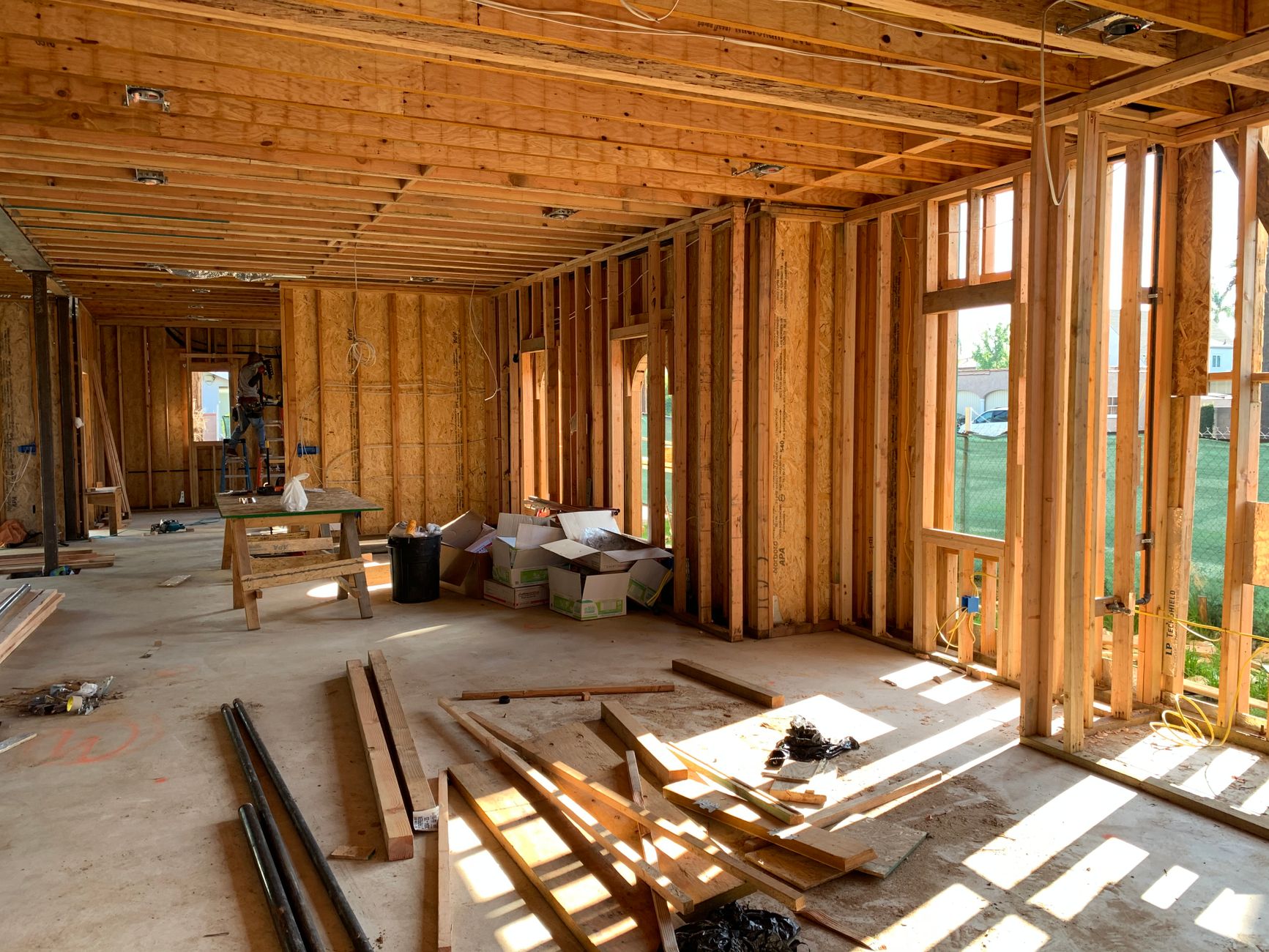
Photo by Brett Rogers
Color Psychology
The colors you choose can significantly impact how your logo is perceived. Opting for Earth tones, such as greens, browns, and soft grays, resonates well in the wood framing industry. These colors are not only reflective of nature but also impart a sense of trustworthiness and professionalism. For example, a deep green can showcase your commitment to sustainability, while warm browns can evoke feelings of comfort and home.
Typography Choices
Typography is another critical aspect of your logo. A bold, clean font communicates strength and reliability, two characteristics highly valued in the wood framing sector. Avoid overly ornate typefaces that can be hard to read. Instead, focus on fonts that convey your brand’s integrity. Think about how your chosen typography pairs with your imagery and color choices to create a unified look.
Ideation Techniques for Logo Design
Crafting a memorable logo involves creative brainstorming techniques. Here are some practical steps to get started:
Sketching Initial Ideas
Never underestimate the power of sketching. Grab a pencil and paper, and start doodling various concepts. Let your imagination flow without constraints. Sketching can often reveal unexpected ideas that are both innovative and aligned with your business's core values. The goal is to visualize different designing angles before honing in on a few key concepts.
Utilizing Online Logo Makers
If you’re looking for a quick way to jumpstart your logo creation process, consider using the Logo Maker Shop. This platform is designed to help you create a logo in just five minutes, complete with numerous templates tailored for the residential wood framing industry. You can explore a variety of styles and customize them to align with your vision.
Gathering Feedback
Once you have a few initial sketches and concepts, it’s time to gather feedback. Share your designs with peers, potential clients, or anyone who can provide constructive criticism. Input from others may reveal strengths and weaknesses in your concepts that you may have missed, leading to a more refined final product.
Visual Inspiration and Trends
It’s essential to stay updated with current trends in logo design to keep your branding fresh and relevant.
Trendy Design Elements
Some popular design trends include minimalism, vintage looks, and geometric shapes. Minimalist logos are gaining traction due to their clear and straightforward appeal. For a wood framing company, a clean logo featuring a simple tree silhouette could be both attractive and effective.
Case Studies of Successful Logos
Analyzing successful logos within the residential wood framing sector can be incredibly enlightening. Take a look at how established companies present themselves visually. For example, a company that uses a hand-drawn frame in its logo communicates a sense of craftsmanship and dedication to quality. Understanding how others achieve their branding can inspire your design journey.
Tips for Ensuring Your Logo Stands Out
Creating a distinctive logo is vital in making your mark in the wood framing industry. Here are some actionable insights for crafting a unique design:
Simplifying Complex Ideas
Keep your designs simple. While it may be tempting to pack a lot into your logo, often less is more. A simple design can effectively communicate your brand message without overwhelming your audience. Think of iconic logos; many are uncomplicated yet widely recognizable.
Testing Your Logo Across Mediums
Versatility is key. Ensure your logo looks great on various formats, from business cards to large banners. Testing your design in different sizes and across different backgrounds can help confirm that it remains effective, regardless of where it appears.
Conclusion: Your Next Steps in Logo Design
Now that you have a grasp on effective logo design principles specific to the residential wood framing industry, it’s time to put these ideas into action. Begin sketching your concepts, explore options at the Logo Maker Shop, and gather valuable feedback. Remember, your logo is not just an image; it's the face of your brand.
Final Thoughts
A well-designed logo is essential in the residential wood framing industry. It serves as a visual representation of your brand's identity and values. As you embark on this creative journey, embrace originality and let your unique vision shine through. Get started today, and create logo ideas that will set your business apart!

Michael Harper is a Senior Content Strategist at MarketInsider.co, a premier source for insights on digital marketing and business trends. With over 15 years of expertise in content development and strategic communications, Michael is renowned for his ability to craft compelling narratives that resonate with diverse audiences. He holds a Bachelor’s degree in Journalism from New York University and a Master’s degree in Business Administration from Columbia Business School. Outside of work, Michael is passionate about historical literature and enjoys hiking the trails of the Pacific Northwest.