Residential Wallpapering Industry Logo Design Ideas
In the residential wallpapering industry, your logo isn’t just a symbol; it’s the essence of your brand. A well-designed logo offers a visual representation of your services and helps establish an emotional connection with your customers. Think of your logo as the first impression of your business—a chance to capture attention and convey professionalism. This guide will walk you through essential insights and actionable steps to create an impactful logo that resonates with your audience.
Key Characteristics of Effective Residential Wallpapering Logos
Color Schemes and Imagery
The colors you choose for your logo affect how customers perceive your brand. For wallpapering businesses, warm and inviting hues can evoke feelings of comfort and coziness. Consider earthy tones like soft greens, warm browns, or gentle blues, as these colors relate closely to home interiors. These choices not only reflect the aesthetics of wallpaper but also create a sense of tranquility and style.
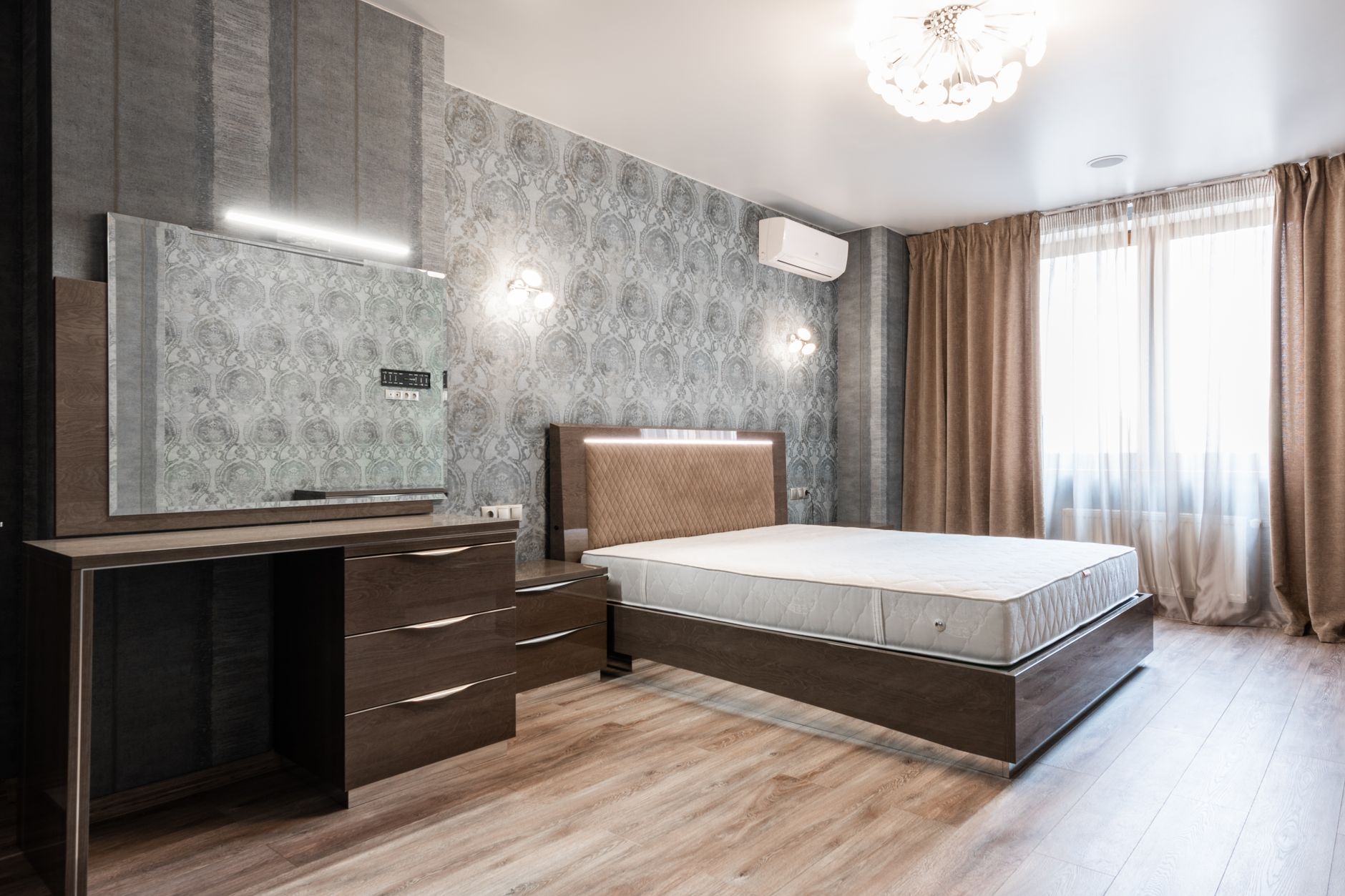
Photo by Max Vakhtbovycn
Typography and Style
Font selection is crucial in logo design. The right font can reflect your brand's personality—whether it’s modern, traditional, or playful. Serif fonts can suggest elegance and reliability, while sans-serif fonts tend to look more modern and simpler. Ensure that your typography is legible and aligns with your target audience's expectations.
Iconography Related to Wallpapering
Icons can enhance your logo by providing immediate context regarding your services. Common symbols in the wallpapering industry include rolls of wallpaper, patterns, or home-related imagery. These elements create visual associations that communicate what your business offers without needing additional explanation.
Ideation Techniques for Logo Design
Creating a logo is a process that begins with brainstorming. Here are some effective techniques to develop your design:
Researching Market Trends
Start by examining current design trends within the wallpapering industry. Notice what works for competitors and what resonates with customers. Websites, social media, and design platforms can serve as excellent resources to gather ideas and identify gaps in the market that your logo could fill.
Sketching and Prototyping
Once you've gathered inspiration, begin sketching. Your initial ideas don’t need to be perfect; they just need to convey your thoughts. Experiment with different shapes, layouts, and iconography. After sketching, create digital mock-ups using design software or through platforms like the Logo Maker Shop. This step allows you to visualize how your logo will appear in different contexts.
Gathering Feedback
Feedback is invaluable. Share your sketches and prototypes with friends, family, or potential customers. Their insights can help you refine your design and ensure it resonates with your audience. Don't shy away from constructive criticism; it’s a step toward improvement.
Inspiration from Successful Wallpapering Logos
Looking at successful examples can spark your creativity and help you identify effective strategies.
Case Studies
Analyze logos from respected wallpapering businesses. Notice how they incorporate colors, fonts, and symbols to create a cohesive brand identity. Each successful logo tells a story—what story will yours communicate?
Trend Analysis
Keep an eye on emerging trends in logo design. Minimalism, hand-drawn elements, and textured typography are gaining popularity. Adapting these trends can set your business apart and keep it relevant.
Tips for Creating a Unique Logo for Your Wallpapering Business
Simplicity and Versatility
When it comes to logo design, simpler is often better. A clean design works well across various applications, from business cards to large banners. Your logo should remain identifiable even when scaled down. Aim to create a logo that is easily recognizable and adaptable.
Reflecting Brand Values
Your logo must encapsulate the essence of your business. Consider your core values as a wallpapering service—what do you want to communicate to your customers? Whether it’s quality, craftsmanship, or creativity, ensure that your logo reflects these attributes.
Utilizing Logo Maker Shop for Your Logo Design
Creating your logo just got easier with the Logo Maker Shop. This platform allows you to customize your design in just a few clicks, facilitating a seamless design process. Here’s how:
Step-by-Step Logo Creation Guide
- Select Your Industry: Choose the wallpapering industry as you start your design process.
- Pick a Template: Browse through various logo templates tailored to inviting styles that relate to wallpapering.
- Customize: Modify the elements to fit your brand's identity—change colors, fonts, and icons until it feels just right.
- Preview and Adjust: Review your logo in different contexts. Make final adjustments based on how it looks in real applications.
- Download and Use: Once satisfied, download your logo and start using it across all your marketing materials.
For a detailed process on creating logos, visit the full guide on the Logo Maker Shop blog.
Conclusion
A thoughtfully designed logo is vital for success in the residential wallpapering industry. It not only captures attention but also builds trust and loyalty among your customers. By focusing on key characteristics such as color, typography, and relevant iconography, you can create a logo that stands out. Utilize effective ideation techniques and consider inspiration from successful brands to ensure your logo resonates with your audience. Remember, your logo is a reflection of your brand—craft it carefully, and it will serve you well!

Michael Harper is a Senior Content Strategist at MarketInsider.co, a premier source for insights on digital marketing and business trends. With over 15 years of expertise in content development and strategic communications, Michael is renowned for his ability to craft compelling narratives that resonate with diverse audiences. He holds a Bachelor’s degree in Journalism from New York University and a Master’s degree in Business Administration from Columbia Business School. Outside of work, Michael is passionate about historical literature and enjoys hiking the trails of the Pacific Northwest.