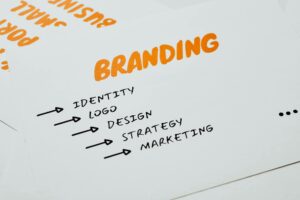
Residential Home Building Industry Logo Design Ideas
In the competitive world of the residential home building industry, having a strong logo is essential to establish your brand identity. A well-crafted logo not only represents your business but also communicates your values, expertise, and the quality of your work. It acts as the face of your company, making it crucial for attracting potential clients and creating lasting impressions.
Key Characteristics of Effective Residential Home Building Logos
Designing a logo for the home building sector requires particular attention to detail. Let's explore some defining traits that make logos stand out in this industry.
Simplicity and Clarity
A simple and clear logo is key to effective communication. Think about the messages you want to convey. A cluttered design can confuse potential clients, while a clean look speaks volumes about professionalism and trustworthiness. You want your logo to be instantly recognizable and easy to remember.
Incorporation of Imagery Related to Home Building
Using imagery that resonates with home construction is vital. Elements such as houses, tools, and nature can effectively communicate what services you offer. Incorporating these visuals into your logo can help communicate your niche immediately. For instance, a hammer or nail could symbolize construction, while an image of a house showcases your focus on residential building.
 Photo by Jessica Bryant
Color Psychology in Home Building Logos
Colors play a significant role in how your brand is perceived. For the home building sector, colors like blue, green, and earth tones convey reliability, trust, and connection to nature. For example, blue can evoke feelings of stability and trust, while green symbolizes growth and sustainability. Choosing the right palette can help establish your brand’s identity and resonate with your target audience.
Ideation Techniques for Logo Development
Creating an impactful logo begins with brainstorming. Here are some actionable insights to help you kickstart the process.
Conducting Competitor Analysis
To gain insights into successful logo design, analyze your competitors' logos. Identify elements that resonate with customers and gaps you could fill. By studying what works well, you can draw inspiration while ensuring your design remains unique.
Utilizing Mood Boards for Inspiration
Creating a mood board is a fantastic way to visualize your logo ideas. Gather images, color swatches, and typography that align with your brand values. This collage of inspiration will help guide your design choices and foster creativity.
Sketching and Iteration Process
Don’t rush to finalize your design. Take your time to sketch out multiple ideas. Keep iterating until you find concepts you love. This creative process allows you to explore various visual representations until you discover one that truly reflects your brand.
Case Studies of Successful Home Building Logos
Looking at real-world examples can offer valuable insights. Here are two case studies that exemplify effective design in the home building sector.
Analysis of a Leading Home Builder Logo
Consider analyzing a well-known residential builder like D.R. Horton. Their logo features a bold font coupled with a visual of a house, emphasizing their focus. The clean lines and bold colors reflect reliability, which resonates well with potential customers seeking your services.
Innovative Approaches in Sustainable Building Logos
Some brands incorporate eco-friendly elements, showcasing their commitment to sustainability. Logos that feature green elements or natural textures can effectively communicate this message. A tree or a leaf within the design can signify a focus on environmentally responsible construction.
Trends in Residential Home Building Logo Design
Staying updated with current design trends can provide inspiration for your logo creation. Here are a few popular trends to consider:
Minimalist Designs
Minimalism is gaining popularity in the construction industry. Simple designs emphasize clarity and professionalism. A minimalist approach can be achieved by using clean lines and limiting the use of colors. This style ensures that your logo is versatile across various mediums.
Vintage and Retro Styles
Vintage styles can evoke a sense of tradition, trust, and craftsmanship—qualities essential in home building. Consider incorporating elements like classic typefaces or retro color palettes that can make your logo feel timeless.
Typography in Logo Design
Typography is crucial in logo design. Custom fonts that reflect your brand identity can set you apart from competitors. Choose typefaces that communicate your brand personality—be it modern, traditional, or elegant. Ensure that the font is legible, scalable, and suitable for both online and offline use.
Creating a Logo with Logo Maker Shop
If you're ready to create your logo, the Logo Maker Shop makes the process easy and accessible.
Step-by-Step Logo Creation Guide
For detailed instructions on how to use the Logo Maker Shop for logo creation, refer to this guide. This guide walks you through the steps, making the process smooth and enjoyable.
Benefits of Using the Logo Maker Shop
Using the Logo Maker Shop offers several advantages. You’ll have access to a diverse range of templates tailored to the home building industry. The platform is user-friendly, allowing customization to align with your brand identity. Plus, it’s efficient—design your logo in just a few clicks!
Conclusion
In the residential home building industry, having an impactful logo is more than just a design; it's a vital part of your brand identity. By focusing on the key characteristics outlined in this article, exploring effective ideation techniques, and examining successful case studies, you can craft a logo that resonates with your audience.
Now is the time to take action! Leverage tools like Logo Maker Shop to create a unique and compelling logo that effectively represents your business. Dive in, explore your creativity, and let your logo tell your brand's story.

Michael Harper is a Senior Content Strategist at MarketInsider.co, a premier source for insights on digital marketing and business trends. With over 15 years of expertise in content development and strategic communications, Michael is renowned for his ability to craft compelling narratives that resonate with diverse audiences. He holds a Bachelor’s degree in Journalism from New York University and a Master’s degree in Business Administration from Columbia Business School. Outside of work, Michael is passionate about historical literature and enjoys hiking the trails of the Pacific Northwest.