Organic Waste Industry Logo Design Ideas
A well-crafted logo isn't just a pretty image—it's the visual identity of your brand. In the organic waste industry, where values like sustainability and community engagement are paramount, a thoughtful logo can effectively communicate your mission. The right design can set you apart in a growing market. Here, we explore effective logo design ideas that resonate with the organic waste industry.
Understanding the Organic Waste Industry
The organic waste industry involves the collection, recycling, and processing of biodegradable waste products. This sector is essential for promoting sustainability and reducing landfill use. Hence, designing a logo for this industry must reflect its unique characteristics.
Industry Characteristics
The organic waste industry thrives on principles such as sustainability, environmental awareness, and community focus. Your logo should embody these traits to connect with stakeholders genuinely.
For example, a logo that communicates these features can foster trust and community engagement. The challenge lies in translating these abstract characteristics into visual elements that resonate on an emotional level.
Key Characteristics of Effective Logos for the Organic Waste Industry
Creating an impactful logo for the organic waste sector requires understanding key design characteristics.
Sustainability and Eco-Friendliness
Logos in the organic waste industry should symbolize sustainability. This can be achieved through color choices, such as greens and browns, which evoke nature and growth. Shapes like leaves or recycling symbols can reinforce eco-friendliness.
Utilizing eco-centric imagery signals commitment to sustainability. Your audience should see your logo and instantly associate it with responsible practices and environmental stewardship.
Simplicity and Clarity
A straightforward logo is essential for effectively communicating your brand’s mission. Opt for designs that avoid clutter; less is more. A clean logo increases recognition and ensures versatility across different platforms.
Think of iconic logos that are simple yet memorable. A clear visual identity helps consumers quickly understand what your brand stands for while remaining easily identifiable.
Symbolism in Design
Incorporating relevant symbols can enhance your logo's message. Common motifs in the organic waste industry include:
- Leaves: Representing growth and renewal.
- Recycling Arrows: Signifying sustainability and resourcefulness.
- Nature Scenes: Communicating a deep connection to the environment.
Choosing the right symbols can deepen your brand message and reinforce your commitment to organic waste management.
Logo Design Ideation Techniques
Brainstorming and developing logo ideas doesn't have to be daunting. Here are some actionable strategies to ignite your creativity.
Research and Inspiration
Start by analyzing existing logos in the organic waste sector. Browse through successful designs to see what works. Look for common themes, colors, and styles.
Using a logo maker shop can simplify this process. Tools like the Logo Maker Shop provide a variety of templates that you can customize to suit your vision, or to spark inspiration for your unique design path.
Incorporate Feedback and Iteration
Feedback is crucial in the design process. Share your draft logos with peers or stakeholders and gather insights. Ask them what stands out and resonates with them. Adapt your design based on this feedback.
Iterative design is about honing in on the best final product that resonates with your audience. Don’t be afraid to make changes and refine your logo until it feels just right.
Using a Logo Maker Shop for Design
Leverage platforms like the Logo Maker Shop for creating professional logos quickly and effectively. The Logo Maker Shop allows you to customize existing templates or develop a logo entirely from scratch. This saves you time while still delivering high-quality results.
Exploring Logo Design Trends
Keeping an eye on current trends can provide fresh perspectives for your logo design in the organic waste industry.
Minimalism
Minimalistic designs create a strong impact while aligning with modern aesthetics. By stripping away unnecessary elements, you can focus on what truly matters—your brand's core message. A minimalist logo is easier to remember and versatile across different media.
Geometric Shapes
Using geometric shapes adds a contemporary feel to your logo. These designs often convey stability and professionalism, essential traits for companies in the organic waste sector.
Natural Color Palettes
Color trends leaning toward natural hues can enhance the organic feel of your logo. Greens, browns, and muted earth tones reflect the nature-centricity and sustainability values inherent to your brand. Color should evoke feelings of trust and connection to the earth.
Case Studies of Successful Organic Waste Logos
Analyzing existing logos in the organic waste industry can provide insight into effective design strategies.
Analysis of Notable Logos
Examine brands that have successfully captured their identity, such as:
- CompostNow: Their logo incorporates a green leaf, symbolizing growth and sustainability, with a clean font for clarity.
- Recyclops: This brand uses friendly character imagery alongside recycling symbols, making their approach approachable and fun.
Look closely at how design elements, colors, and symbolism blend to communicate the brand message effectively.
Conclusion
An impactful logo is vital in the organic waste industry. It encapsulates your commitment to sustainability, environmental wellbeing, and community values. By focusing on key design characteristics such as sustainability, simplicity, and symbolism, you can develop a logo that resonates.
Remember, the logo design journey can be enjoyable and rewarding. Utilize tools like the Logo Maker Shop for inspiration and practical solutions. As you embark on your logo creation adventure, keep your values at the forefront, and let your brand’s identity shine through.
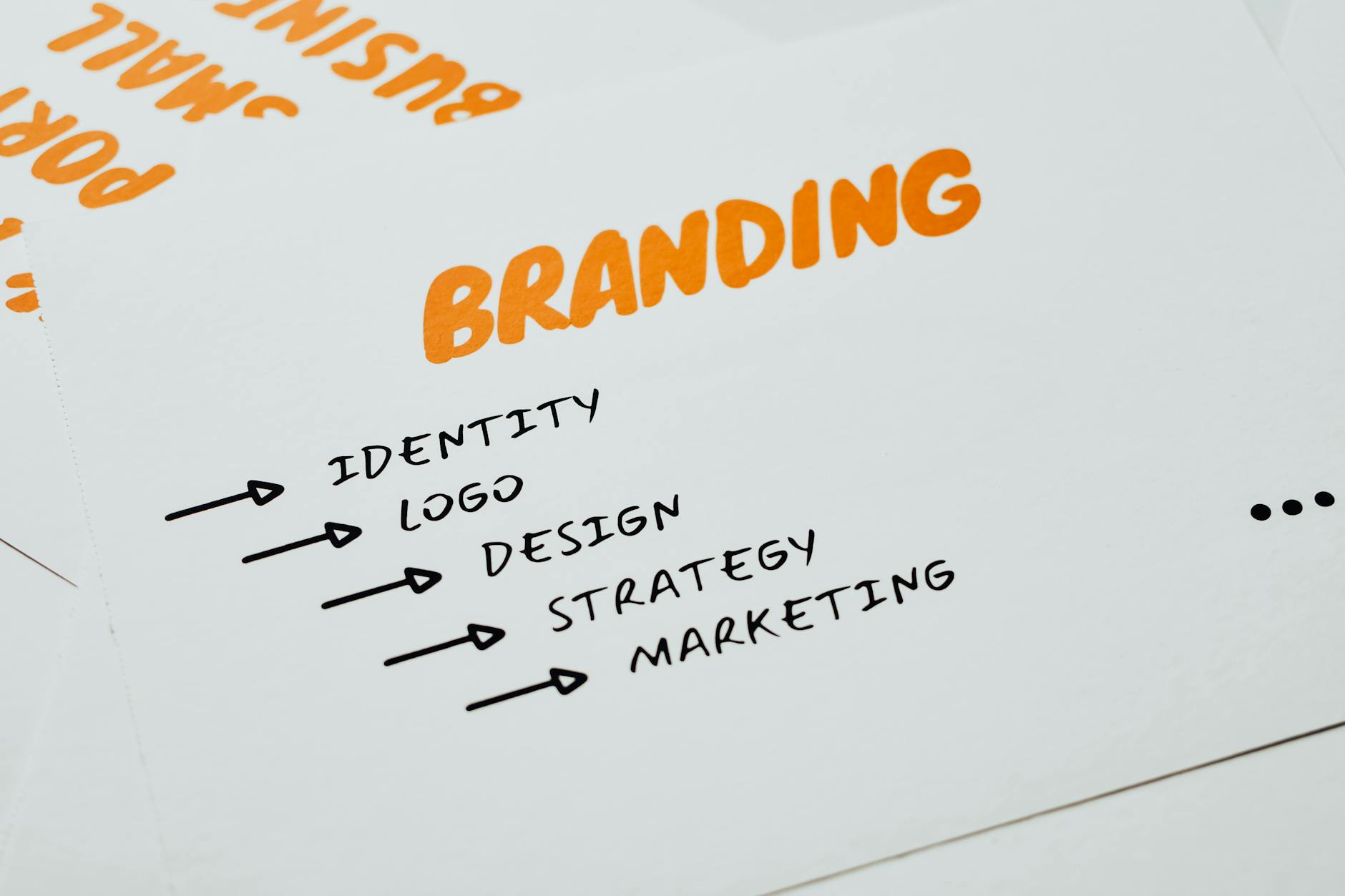
Photo by Eva Bronzini

Michael Harper is a Senior Content Strategist at MarketInsider.co, a premier source for insights on digital marketing and business trends. With over 15 years of expertise in content development and strategic communications, Michael is renowned for his ability to craft compelling narratives that resonate with diverse audiences. He holds a Bachelor’s degree in Journalism from New York University and a Master’s degree in Business Administration from Columbia Business School. Outside of work, Michael is passionate about historical literature and enjoys hiking the trails of the Pacific Northwest.