Organic Soybean Industry Logo Design Ideas
The organic soybean industry is thriving, and a well-designed logo is your gateway to capturing the essence of your brand. An effective logo can enhance your brand identity, make a lasting impression, and connect you with your target audience. In this article, we'll explore various design ideas tailored specifically for the organic soybean sector, helping you craft a logo that truly reflects your mission and values.
Understanding the Organic Soybean Industry
The organic soybean industry has witnessed remarkable growth, driven by increasing consumer awareness about health and sustainability. With a growing demand for organic products, businesses in this field must create logos that resonate with their eco-conscious clientele.
Market Growth and Trends
The organic soybean market is poised for significant advancements, projected to reach a staggering USD 3.433 billion by 2030, with a compound annual growth rate (CAGR) of 12.56% from 2024 to 2030. Key trends include a rise in non-GMO cultivation and a push towards sustainable practices. Brands that align their visual identity with these trends will undoubtedly attract environmentally aware customers.
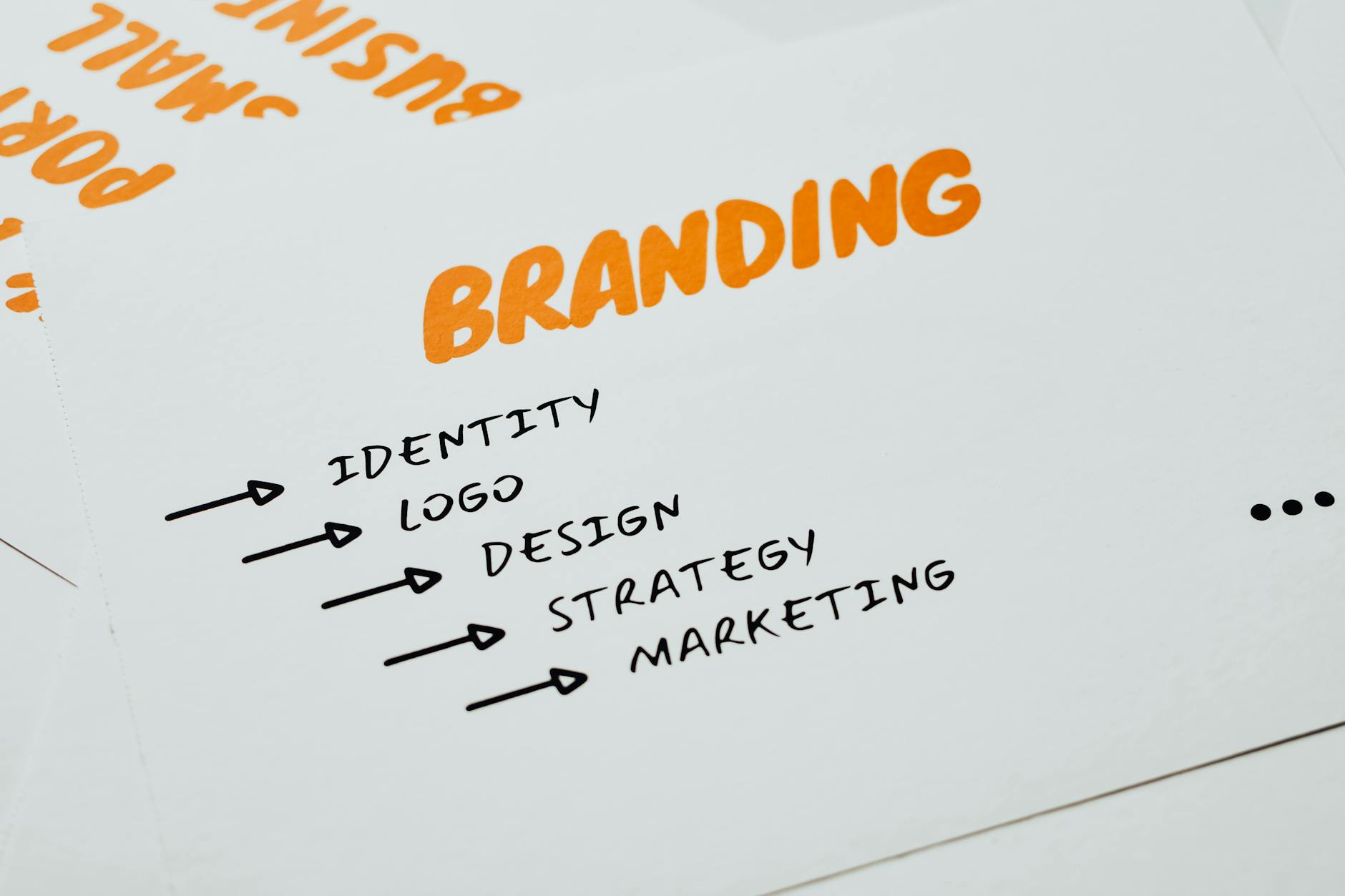 Photo by Eva Bronzini
Target Audience Characteristics
Your target audience for organic soybeans likely consists of health-conscious consumers, environmentalists, and trendsetters. These individuals value sustainability and transparency, seeking brands that echo their philosophy. Understanding their preferences will guide you in creating a logo that captivates their attention.
Key Characteristics of Effective Logos
Designing a logo is about more than just aesthetics. An effective logo communicates your brand's values and connects with your audience on a personal level.
Simplicity and Versatility
Simplicity is a design fundamental. A straightforward logo is easier to recognize and remember. Consider the classic logos of major organic brands; they are often clean and uncluttered. Versatility matters too—your logo should look great whether it's on a product label or your website.
Color Psychology in Branding
Colors evoke emotions. In the organic soybean industry, greens, earthy tones, and soft colors are often used to signify nature, health, and sustainability. Think about how you can use color to embody your brand's identity and values.
Symbolism and Imagery
Using relevant symbols can enhance your logo's message. For example, incorporating soybeans, leaves, or agricultural themes can instantly convey what your brand stands for. These elements not only reflect your product but also resonate with your audience's values.
Logo Design Ideation Techniques
Creating a logo doesn’t have to feel daunting. Use the following techniques to spark your creativity.
Research and Inspiration Sources
Begin by researching industry trends, competitor logos, and successful brands in organic markets. Sites like Pexels provide a wealth of visual inspiration through stock images. Look for design trends that appeal to your target audience and consider how you can incorporate similar elements.
Sketching and Prototyping Ideas
Sketching is a powerful way to visualize concepts. Don't shy away from putting your ideas on paper first. This exploratory phase can help you narrow down what works. Once you've solidified some concepts, move to digital design tools for refinement.
Feedback and Iteration
Don't underestimate the value of feedback. Sharing your designs with friends, family, or colleagues can provide fresh perspectives. Be open to criticism and ready to iterate; each iteration can bring you closer to the perfect logo.
Successful Case Studies in Organic Branding
Seeing what others have done successfully can inform your own design process.
Examples of Effective Logos
Look at renowned brands in the organic space. Take note of their logos—what elements do they incorporate? How do they reflect their values and target audience? Analyzing these factors can inspire your logo design.
Lessons Learned from Successful Brands
Successful brands often create logos that are not just visually appealing but also meaningful. They effectively communicate their mission and values, standing out in a crowded marketplace. Focus on clarity and relevance in your own design.
Creating Your Organic Soybean Logo with Logo Maker Shop
Designing a logo has never been easier, thanks to the Logo Maker Shop. This intuitive platform allows you to create a professional logo tailored to your brand's needs.
Step-by-Step Logo Creation Process
- Visit the Logo Maker Shop: Head over to Logo Maker Shop to get started.
- Choose Your Industry: Select "Organic Soybean" or a related category.
- Select a Template: Browse through various logo templates that resonate with your vision.
- Customize Your Design: Use the editing tools to adjust colors, fonts, and symbols to fit your brand.
- Save and Share: Once satisfied, download your logo in various formats.
Customization Options and Tools
Logo Maker Shop offers versatile customization options. From shapes to typography, you have full control over your design. Explore various symbols and adjust colors to ensure your logo aligns with your brand identity.
Conclusion
Creating an effective logo is crucial in the organic soybean industry. It serves as your brand's visual identity, connecting with consumers and enhancing your market presence. By understanding the characteristics of strong logos, utilizing thoughtful design techniques, and leveraging platforms like Logo Maker Shop, you can build a logo that not only looks great but also resonates with your target audience. Embrace the journey of logo creation, and let your design reflect the unique essence of your brand.

Michael Harper is a Senior Content Strategist at MarketInsider.co, a premier source for insights on digital marketing and business trends. With over 15 years of expertise in content development and strategic communications, Michael is renowned for his ability to craft compelling narratives that resonate with diverse audiences. He holds a Bachelor’s degree in Journalism from New York University and a Master’s degree in Business Administration from Columbia Business School. Outside of work, Michael is passionate about historical literature and enjoys hiking the trails of the Pacific Northwest.