Organic Dye Industry Logo Design Ideas
The organic dye industry is flourishing as consumers become increasingly aware of sustainability and the impact of their choices. As a result, brands in this sector must prioritize creating a strong and recognizable identity. A well-designed logo can enhance your brand’s visibility, convey your values, and attract customers who value eco-friendly practices. In this article, you'll explore creative design ideas tailored specifically for the organic dye industry.
Understanding the Organic Dye Industry
The organic dye industry is characterized by the use of natural materials for dye production, as opposed to synthetic dyes. This shift has emerged from a growing demand for eco-friendly solutions in various markets, including textiles, cosmetics, and food. The global organic dyes market was valued at approximately $4.1 billion in 2023 and is projected to grow at a rate of 4.8% from 2024 to 2032. With such promising growth, businesses involved within this sector must effectively communicate their commitment to sustainability through compelling branding.

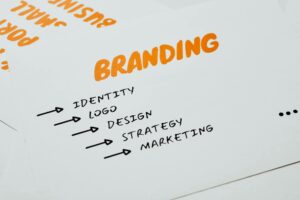
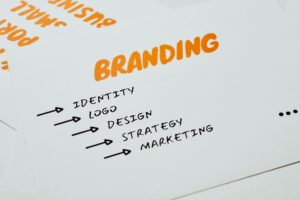
Photo by Pok Rie
Defining Characteristics of Organic Dye Logos
When creating a logo for your organic dye business, consider elements that resonate with the natural world. Here are a few key characteristics often observed in effective organic dye branding:
- Color Palettes: Earthy tones such as greens, browns, and muted shades are commonly used to evoke a sense of nature and sustainability.
- Imagery: Incorporating botanical themes, dyes in liquid form, or simple representations of raw materials can evoke the organic essence of your brand.
- Typography: Opt for clean, organic fonts that reflect simplicity and elegance, steering away from overly decorative styles that may distract from your message.
Key Design Principles for Organic Dye Logos
Creating a memorable logo requires adherence to certain design principles. Here are crucial factors to consider:
Simplicity and Memorable Design
The best logos are simple yet impactful. Stripping away unnecessary complexity enables easier recognition. Think of iconic brands—many have minimalistic logos that leave a lasting impression. When designing your logo, ask yourself: Does it convey the brand's message at a glance? Treasuring simplicity allows for versatility across different mediums—print, online, and even merchandise.
Color and Its Psychological Impact
Colors evoke emotions. For the organic dye industry, green symbolizes growth and sustainability, while browns represent earthiness and stability. Blue can reflect trust and reliability, useful for a brand aiming for a reputable image. Using the right colors can significantly enhance your logo's effectiveness in reaching and resonating with your target audience.
Typography Choices
Font selection can impact your logo's perception. Choose fonts that evoke a connection to nature. Serif fonts tend to evoke tradition and reliability, while sans-serif fonts can impart a more modern and clean feel. Ensure that your typography aligns with your overall brand identity, making it easier for customers to connect with your message.
Ideation Techniques for Logo Design
When brainstorming logos specific to the organic dye industry, consider these actionable steps:
Research and Inspiration Sources
Explore nature for visual themes, study successful brands in related fields, and analyze design trends. Websites like Pinterest can provide insights into color swatches, typography styles, and layout ideas. Researching successful case studies can inspire your creative process and clarify what resonates with consumers.
Sketching and Prototyping Ideas
Harness the power of sketching. Drawing preliminary versions of your logo can help solidify your thoughts and lead to fresh ideas. Utilize various prototyping tools to visualize your concepts. Experiment with different color palettes and typography. Remember, the goal here is to play around without constraints.
Utilizing Logo Maker Shop Tools
Turn your concepts into a professional design using tools from the Logo Maker Shop. This platform offers a simple interface with resources tailored to help you create your organic dye logo quickly and effectively. You can explore a range of designs, making it easy to find inspiration and get started.
Showcasing Successful Organic Dye Logos
Take a look at some branding success stories in the organic dye industry. Learning from others can guide you in your own design process.
Inspiring Case Studies
Brands like Rosemary & Co. have used minimalistic designs, featuring earthy tones and botanical elements, to connect with their environmentally conscious audience. Such examples illustrate that effective logos often embody the brand's core values while remaining visually appealing.
Innovative Techniques in Organic Logo Design
The push towards sustainability has led to innovative approaches in logo design. Some brands are adopting logos that change colors or adapt to seasonal themes to reflect their relationship with nature. Consider how integrating dynamic elements into your logo could increase engagement and keep your brand fresh in consumers' minds.
Conclusion and Call to Action
Creating a logo for the organic dye industry isn’t just about making a pretty emblem; it's about encapsulating your brand's essence in a simple, memorable design. Use the principles and strategies outlined in this article to generate ideas that reflect your values.
You’re equipped and ready to embark on your logo design journey. Visit the Logo Maker Shop to find the tools you need to bring your organic dye logo to life. Let your creativity flow as you craft a logo that resonates with your audience and stands out in the thriving organic dye market.

Michael Harper is a Senior Content Strategist at MarketInsider.co, a premier source for insights on digital marketing and business trends. With over 15 years of expertise in content development and strategic communications, Michael is renowned for his ability to craft compelling narratives that resonate with diverse audiences. He holds a Bachelor’s degree in Journalism from New York University and a Master’s degree in Business Administration from Columbia Business School. Outside of work, Michael is passionate about historical literature and enjoys hiking the trails of the Pacific Northwest.