Optical Character Recognition Industry Logo Design Ideas
In today's fast-paced tech world, having a unique and memorable logo is crucial for businesses in the Optical Character Recognition (OCR) industry. This technology, which allows machines to read and convert different types of documents, heavily relies on branding to create an effective presence. A well-crafted logo works as a visual summary of your brand, capturing your identity and values in a single image. So, what does it take to create an effective logo for the OCR industry? Let's explore some essential design ideas.
Key Characteristics of Effective OCR Logos
Creating an impactful logo isn't just about looking good; it's about effectively communicating what your business stands for. Below are the defining traits for OCR logos that can elevate your brand.
Simplicity and Clarity
Isn't it true that sometimes, less is more? A clear and simple logo ensures quick recognition and helps establish your brand identity. Think about iconic logos like Apple or Nike; their simplicity allows for immediate association. For OCR businesses, simplicity means avoiding cluttered designs and focusing on core elements that represent your service. A clean logo means it's easily viewed, understood, and remembered.
Symbolism and Imagery
Using relatable symbols can make your logo incredibly effective. The use of imagery related to text, reading, or scanning naturally ties into what OCR technologies do. For instance, incorporating elements like a scanner, paper, or digital text can show the audience exactly what your business is about at a glance. Strive for designs that balance creativity with recognizable icons to reflect the essence of your OCR service.
Color Psychology
Colors do more than add visual appeal—they communicate emotions and messages. For the OCR sector, you might find that blues and greens convey trust and reliability, whereas oranges or yellows can suggest innovation and energy. Understanding how colors influence perception can aid you in selecting a palette that aligns with your brand identity, making it easier for potential clients to remember you.
Design Principles for OCR Logos
So, how can you brainstorm effective logo ideas that stand out? Here are some design principles tailored for the OCR industry.
Ideation Techniques
Start by exploring diverse styles and concepts. Sketching out a variety of ideas can help you see which designs have potential before diving into digital creation. Keep an eye on existing logos in related fields for inspiration while ensuring your concepts remain unique. Consider using mind maps or concept boards to visually organize your thoughts.
Utilizing the Logo Maker Shop
Whether you're a design novice or a seasoned pro, the Logo Maker Shop is your go-to resource for creating logos tailored to your OCR business. With an array of customizable templates, designing a logo in just a few clicks can significantly streamline your creative process. Plus, you can modify colors, fonts, and imagery to suit your vision.
Testing and Feedback
Once you've created a draft, seeking feedback is vital. Share your designs with trusted colleagues or friends and ask for their insights. Prototyping your logo in various formats—like print and digital—ensures that it remains effective across multiple platforms. Gathering honest feedback will guide you in refining your logo until it truly represents your brand.
Inspiration from Successful OCR Logos
To truly understand effective design, looking at successful OCR logos can be enlightening. Let's dive into some case studies and trends shaping this industry.
Case Studies
For instance, Adobe has a logo that features a sharply defined "A" symbol. This makes it instantly recognizable and is synonymous with digital design, including OCR-related applications. The design is minimalist, making it not only memorable but versatile across different mediums.
Another great example is ABBYY, known for its OCR software. The logo employs a bold typeface accompanied by graphic elements that suggest both text and technology. This approach effectively communicates the brand's focus on intelligent document processing.
Current Trends in Logo Design
Current design trends focusing on flat design, geometric shapes, and responsive logos can also inform your work. Many companies are moving away from three-dimensional effects to more two-dimensional styles. Consider exploring these trends while ensuring they resonate with your brand message.
Encouraging Creativity in Logo Design
Finding the right design doesn't have to feel daunting. By fostering creativity and seeking out fresh concepts, you can create something truly unique.
Exploring New Concepts
Why not experiment with different forms and layouts? Think about modern and abstract representations of text recognition or scanning. This creative freedom can lead to surprising and innovative designs that capture the core function of OCR technology without being overly literal.
Utilizing Online Resources
Looking for more inspiration? Check out resources like blog.boon.so for educational content on logo creation. This platform offers various articles focusing on design principles, trends, and tips to further enrich your understanding of logo design.
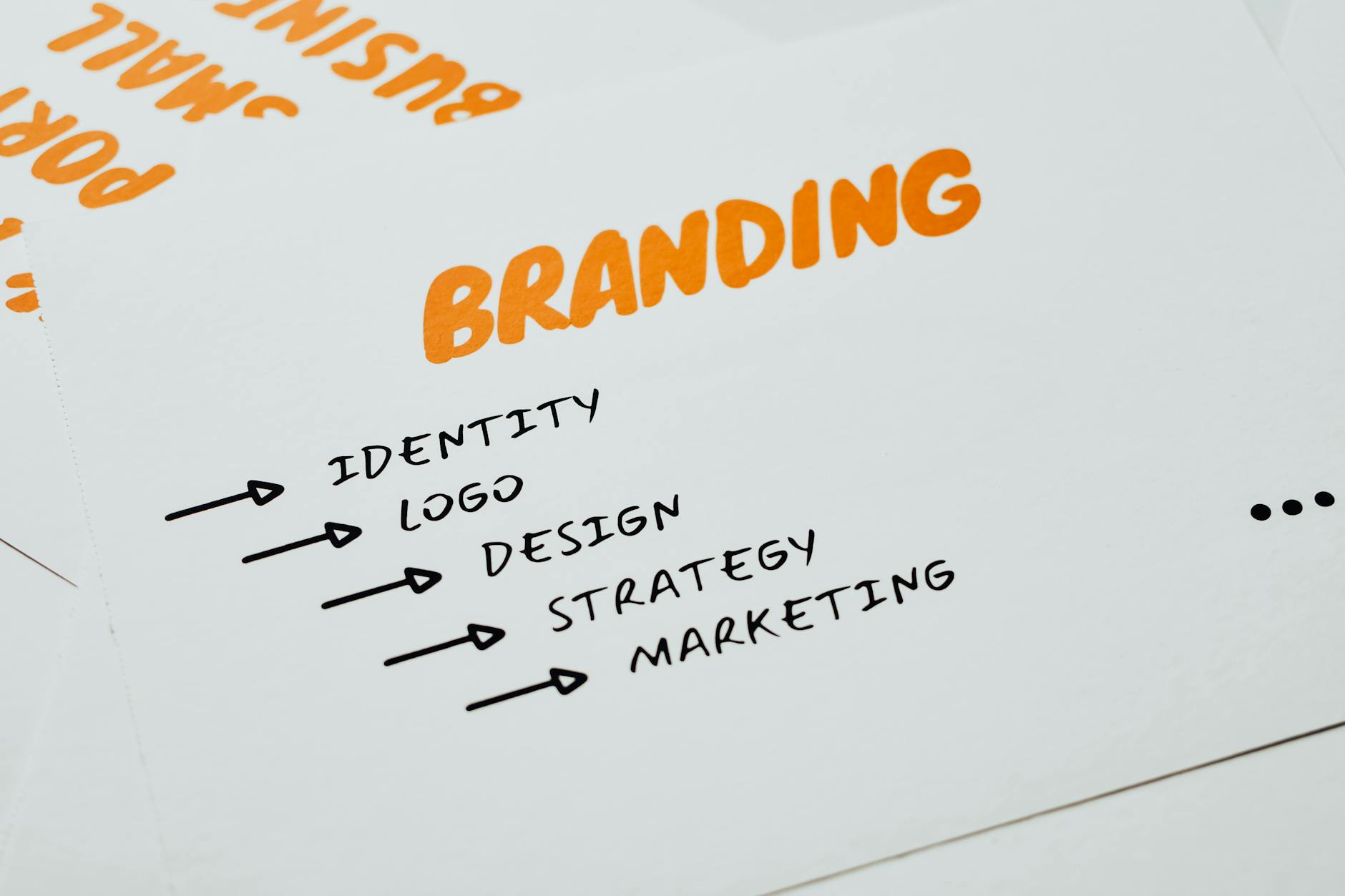
Photo by Eva Bronzini
Conclusion
In the Optical Character Recognition industry, a thoughtfully designed logo is more than just an image. It serves as a visual representation of your brand, embodying your values and mission. By incorporating the insights discussed, such as focusing on simplicity, effective symbolism, and leveraging color psychology, you can create a logo that resonates with your target audience.
Remember that the logo design process is not just about aesthetic appeal; it’s a journey that requires reflection, creativity, and iteration. Use the Logo Maker Shop to bring your ideas to life and embody the essence of your OCR business in its branding. As you embark on this design adventure, the right logo can propel your brand forward and leave a lasting impression on clients.

Michael Harper is a Senior Content Strategist at MarketInsider.co, a premier source for insights on digital marketing and business trends. With over 15 years of expertise in content development and strategic communications, Michael is renowned for his ability to craft compelling narratives that resonate with diverse audiences. He holds a Bachelor’s degree in Journalism from New York University and a Master’s degree in Business Administration from Columbia Business School. Outside of work, Michael is passionate about historical literature and enjoys hiking the trails of the Pacific Northwest.