Live Performance Industry Logo Design Ideas
In the vibrant world of live performances, from concerts to theater productions, a strong logo serves as more than just a visual marker; it reflects your brand identity and connects with audiences on an emotional level. As you enter this creative space, consider how your logo can embody the essence of live performance, be it the thrill of the crowd, the excitement of the stage, or the energy of the music.
Understanding Key Characteristics of Live Performance Logos
When it comes to designing logos for the live performance industry, several unique characteristics should be at the forefront of your design process.
Visual Elements that Resonate
Colors, fonts, and symbols wield powerful influence in your logo design. For instance, vibrant colors often symbolize energy and excitement. Think bold reds, electric blues, or vibrant yellows – colors that ignite passion and enthusiasm. On the other hand, softer hues might evoke emotions such as calm or nostalgia, perfect for classical music events.
Fonts also play a crucial role; a sleek, modern typeface might work well for a pop concert, while a vintage font could best represent a folk music festival. To really resonate with your audience, select symbols that connect directly with the essence of your performances. Guitars, microphones, or even abstract representations of sound waves can be visually compelling.
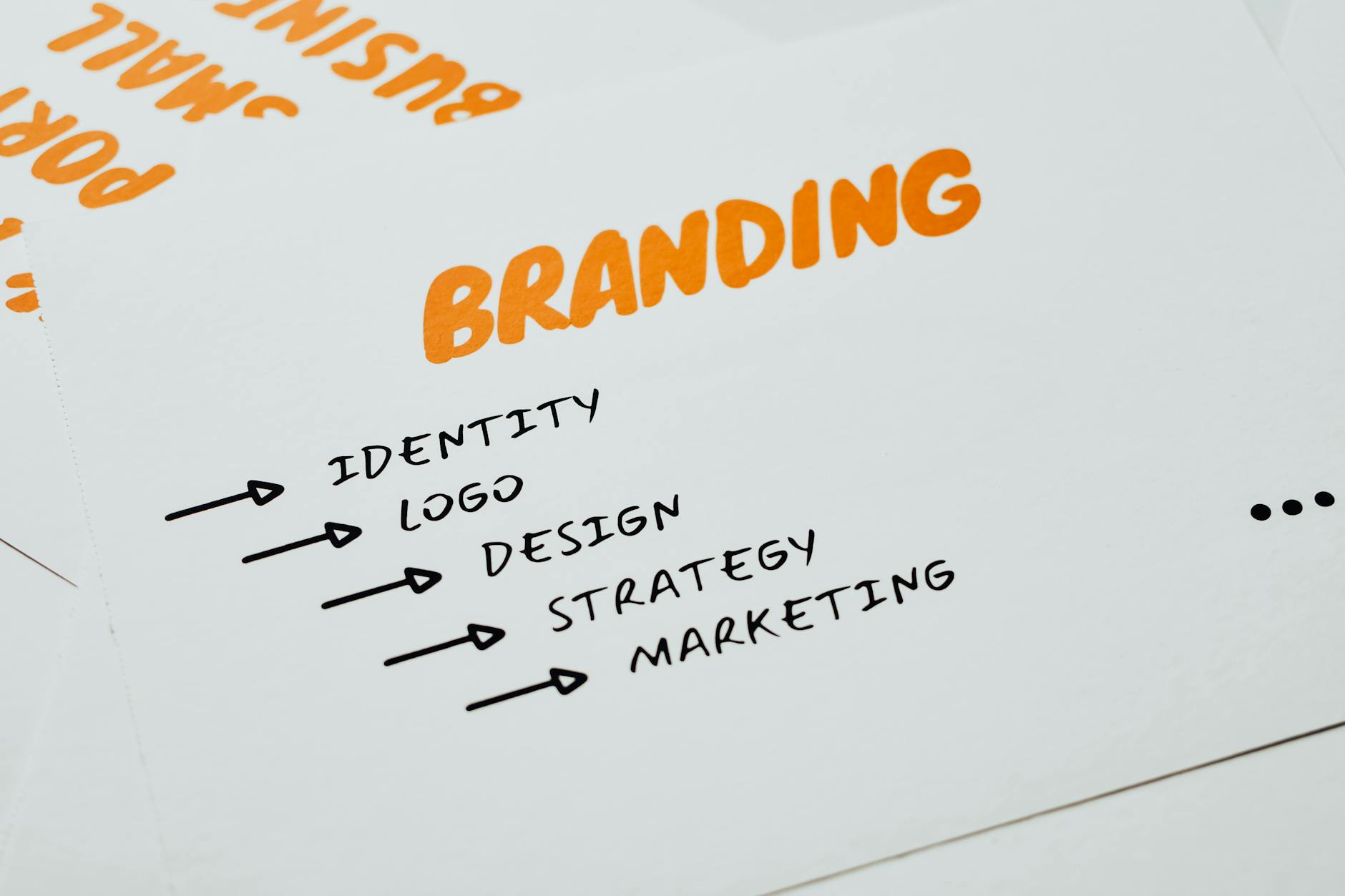 Photo by Eva Bronzini
Importance of Authenticity
Authenticity is vital in live performance branding. Your audience wants to see the genuine essence of your brand reflected in your logo. Authentic logos don’t just look good; they tell a story. When potential attendees see your logo, it should evoke feelings connected to your performances, whether it's excitement, community, or the artistry involved. A logo that feels out of sync with your brand can lead to disconnection from your audience.
Versatility and Scalability
Logos need to work across various mediums and sizes. Whether it’s on a massive stage banner or a small merchandise tag, your logo should remain clear and recognizable. A good rule of thumb is to test your logo in different formats to ensure it retains its impact no matter the context.
Inspiration for Designing Live Performance Logos
Inspiration can stem from numerous sources, helping you tap into creativity and innovation when designing your live performance logo.
Exploring Current Trends
As you design, stay abreast of the latest trends in live performance logos. Minimalist designs are gaining popularity, reflecting simplicity and sophistication. You might also see a rise in retro designs that evoke nostalgia, resonating with audiences seeking a throwback experience.
Case Studies of Successful Logos
Take cues from successful logo designs within the live performance realm. For instance, Taylor Swift's tour logos are iconic and reflect her evolving artistry. They combine bold typography with symbols that represent the themes of her albums, ensuring a cohesive message across her branding. Examine what makes these logos stand out – is it their color palettes, shapes, or the emotional connection they foster?
Ideation Techniques for Logo Concepts
When brainstorming, consider techniques such as mind mapping or sketching. Start with words or phrases that represent your performances and create connections between them visually. Ask yourself questions like, “What emotions do I want to evoke?” or “How do I want my audience to perceive my brand?”
Practical Steps to Create Your Logo
Creating a logo can be an exciting yet daunting task. Here’s a step-by-step approach to streamline your process.
Using Logo Maker Shop for Design
The Logo Maker Shop is a robust tool tailored for artists in the live performance industry. You can design a stunning logo in just minutes, offering a wealth of templates and customization options that suit your specific needs.
Designing with User Experience in Mind
Consider user feedback as a critical element in your design process. After creating a few logo concepts, gather opinions from someone in your target audience. This feedback can be instrumental in honing your design and ensuring it resonates well with the people you aim to attract.
Finalizing Your Logo Concept
As you approach the final stages, review your logo against your original goals. Is it distinctive? Does it communicate your brand effectively? At this stage, it’s crucial to refine your logo, adjusting details like color shades, fonts, and overall balance until it aligns with your vision.
Showcasing Your Logo Effectively
Once your logo is ready, think about how to present it to your target audience.
Brand Integration
Brand integration involves ensuring that your logo is consistently used across all marketing materials. From posters to social media profiles, your logo should create a cohesive identity that audiences can recognize instantly.
Feedback and Iteration
Testing your logo in real-world scenarios is key. Show it to a small focus group at a live event or through social media channels. Pay attention to their reactions and be open to iterating based on that feedback. Remember, this is a collaborative journey with your audience that helps strengthen your brand message.
Conclusion and Next Steps
A well-designed logo is a vital asset in the live performance industry. It encapsulates your brand identity and creates memorable experiences for your audiences. Now that you understand the nuances of live performance industry logo design ideas, it’s time to embark on this exciting journey. Use the insights you've gained here and get started on creating a logo that truly reflects your artistic vision!

Michael Harper is a Senior Content Strategist at MarketInsider.co, a premier source for insights on digital marketing and business trends. With over 15 years of expertise in content development and strategic communications, Michael is renowned for his ability to craft compelling narratives that resonate with diverse audiences. He holds a Bachelor’s degree in Journalism from New York University and a Master’s degree in Business Administration from Columbia Business School. Outside of work, Michael is passionate about historical literature and enjoys hiking the trails of the Pacific Northwest.