Li-Ion Battery Recycling Industry Logo Design Ideas
In today's environmentally conscious world, the Li-Ion battery recycling industry is gaining significant traction. As more businesses enter this sector, a strong visual identity becomes crucial. A well-crafted logo not only captures attention but also establishes trust and brand recognition among consumers. Let’s explore creative design ideas tailored for this vital industry.
Understanding the Li-Ion Battery Recycling Industry
The Li-Ion battery recycling industry is focused on reclaiming valuable materials from used batteries, reducing environmental harm, and promoting sustainable practices. As this sector expands, effective branding becomes essential. Your logo serves as the first impression of your brand and communicates core values, such as sustainability and innovation. A thoughtful logo specifically designed for this industry can significantly influence how your brand is perceived.
Key Characteristics of Effective Logos in This Industry
When crafting a logo for the Li-Ion battery recycling industry, specific traits become vital:
-
Sustainability Themes: Incorporating elements that reflect eco-friendliness is crucial. Think about the use of green colors or imagery related to nature, as these convey responsible practices.
-
Energy Efficiency Symbolism: Your logo can highlight energy through dynamic shapes or motifs. This not only signifies the recycling aspect but also aligns with the idea of conserving resources.
Why Logo Design Matters for Li-Ion Battery Recycling Businesses
A well-designed logo can be the difference between obscurity and recognition. In an industry centered on innovation and environmental concerns, your logo should effectively communicate these principles. Consumers are more likely to engage with brands whose logos resonate with their values. Therefore, a professional logo design can lead to increased business success.
Design Elements to Consider
To foster a compelling and impactful logo, consider these essential design elements:
Color Schemes that Resonate
Colors evoke emotions and convey messages. When it comes to the Li-Ion battery recycling industry, certain colors stand out:
- Green: Symbolizes nature, renewal, and sustainability.
- Blue: Conveys trust, reliability, and technological advancement.
- Yellow: Represents energy and optimism, making it suitable for a future-focused brand.
Using a combination of these colors can create a strong visual narrative for your logo.
Typography Choices
The typography you choose is equally important. It should reflect your brand's identity, whether playful, modern, or professional. Here are some tips:
- Sans-Serif Fonts: Often viewed as modern and clean, these fonts are ideal for technology-oriented brands.
- Rounded Fonts: A softer edge can convey approachability, which can be beneficial for engaging with consumers in this environmentally focused sector.
Symbols and Icons to Incorporate
Incorporating specific symbols can strengthen your logo's message. Some ideas include:
- Recycling Arrows: Universal symbols of sustainability that can be creatively integrated.
- Battery Icons: A simple yet effective way to denote your industry, which resonates immediately with the viewer.
- Leaf Motifs: Used to suggest eco-friendliness and sustainability.
Ideation Techniques for Logo Design
Generating ideas for a unique logo can be a fun and stimulating process. Here are some techniques to inspire creativity:
Exploring Trends in Logo Design
Keeping updated on the latest design trends is crucial. For instance, minimalism is dominating, allowing logos to remain versatile and impactful without clutter. This trend aligns perfectly with the recycling industry’s need for clear and concise messaging.
Case Studies of Successful Logos
Looking at successful logos in the recycling sector can provide valuable insights. For example, the logo of Battery Solutions effectively blends colors and symbols to highlight its mission. By studying the simplicity and clarity of such logos, you can draw inspiration for your design.
Inspiration for Your Logo Design
Let your creativity flow by tapping into various resources and ideas.
Utilizing Visual Resources
Stock images and graphic resources can help you visualize concepts. Platforms like Pexels offer high-quality images that can spark ideas. Consider using stock images related to sustainability and technology to inform your design.
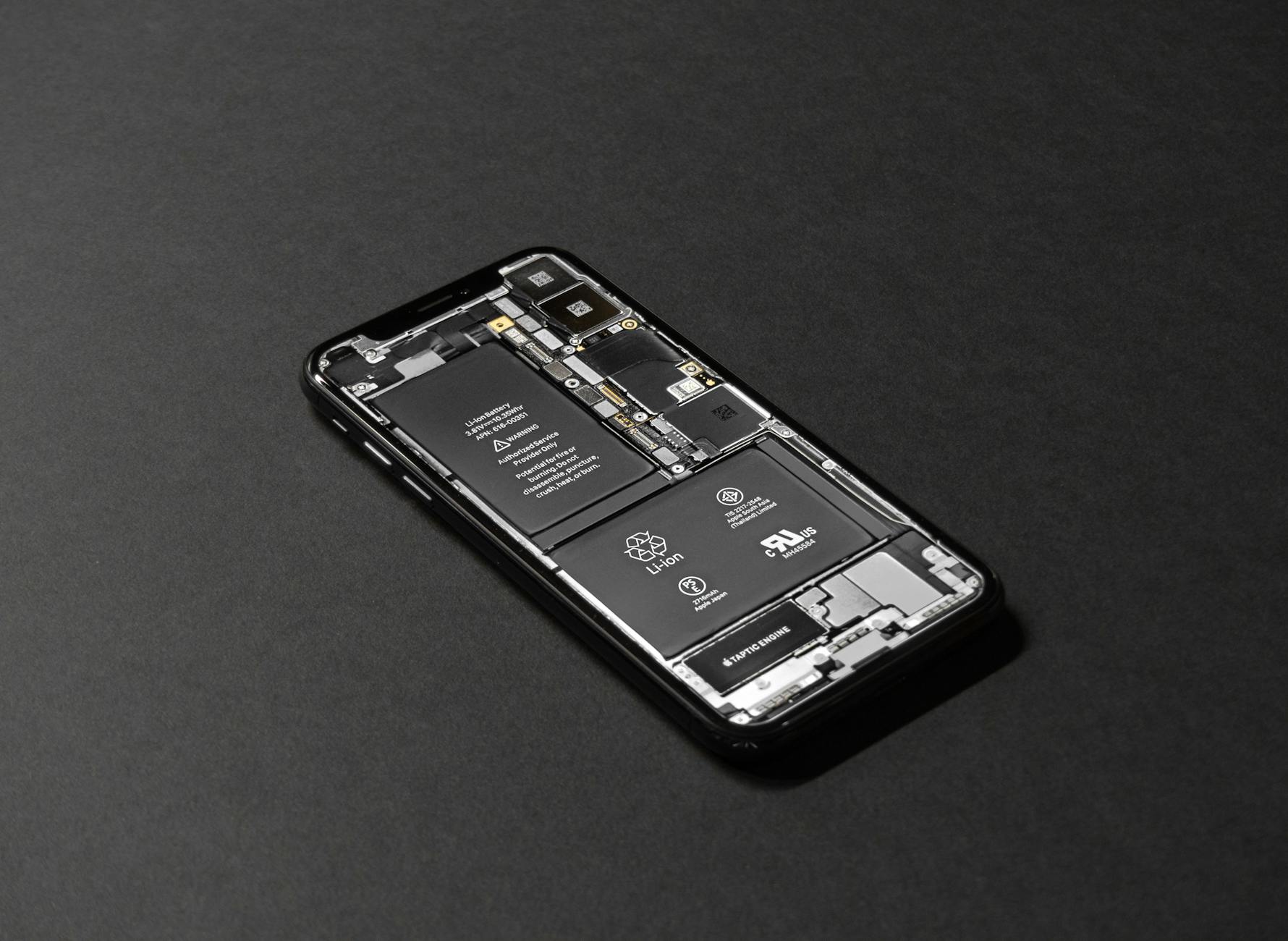
Photo by Tyler Lastovich
Encouraging Unique Perspectives
Think outside the box. Consider how your logo can tell a story about your brand’s mission and focus. Engage with stakeholders or conduct brainstorming sessions to explore unconventional ideas that can lead to a standout logo.
Getting Started with Logo Maker Shop
Ready to create your logo? The Logo Maker Shop simplifies the process, allowing you to design a professional-looking logo easily.
Step-by-Step Process to Create a Logo
- Access the Logo Maker Shop: Visit Logo Maker Shop.
- Choose Your Design Style: Select a style that aligns with your brand identity.
- Customize Your Logo: Experiment with colors, fonts, and symbols based on the insights from this article.
- Preview and Finalize: See how your logo looks in different contexts to evaluate its effectiveness.
Tips for Customizing Your Logo
To ensure your logo reflects your brand:
- Stay True to Your Values: Make sure your design embodies your mission and vision.
- Seek Feedback: Consult peers, employees, or potential customers to gather opinions on your design choices.
Conclusion
Thoughtful logo design is essential in the Li-Ion battery recycling industry. It’s more than just a visual element; it’s a representation of your brand’s commitment to sustainability and innovation. As you embark on this creative journey, remember that a compelling logo helps establish your brand identity and make a positive impact in the recycling sector. Let your ideas flourish and start crafting your unique logo today!

Michael Harper is a Senior Content Strategist at MarketInsider.co, a premier source for insights on digital marketing and business trends. With over 15 years of expertise in content development and strategic communications, Michael is renowned for his ability to craft compelling narratives that resonate with diverse audiences. He holds a Bachelor’s degree in Journalism from New York University and a Master’s degree in Business Administration from Columbia Business School. Outside of work, Michael is passionate about historical literature and enjoys hiking the trails of the Pacific Northwest.