Law Enforcement Industry Logo Design Ideas
In the realm of branding, few sectors weigh as heavily on public trust as law enforcement. Law enforcement logos serve as a visual embodiment of justice, authority, and community trust. A well-crafted logo can instill confidence in the public, representing the values and mission of your agency. Let’s explore some effective logo design ideas tailored specifically for the law enforcement industry.
Key Characteristics of Law Enforcement Logos
Understanding the essential elements that define effective logos in this field is crucial for anyone looking to create a compelling design.
Authority and Trustworthiness
To convey authority, strong typography is your best friend. Using bold fonts can immediately communicate strength and reliability. Think about typefaces like Helvetica, Arial Black, or Impact. These typefaces carry a sense of solidity, which is essential for law enforcement logos. A carefully chosen font not only reflects professionalism but also helps instill trust in the community.
Symbolism in Design
Symbols play a significant role in law enforcement logos. Common icons such as badges, shields, and stars are significant because they resonate with the public’s understanding of authority and protection. For instance, the badge often signifies a commitment to service, while a shield can represent safety and security. When designing your logo, consider how these symbols can effectively convey the essence of your agency, reinforcing public trust.
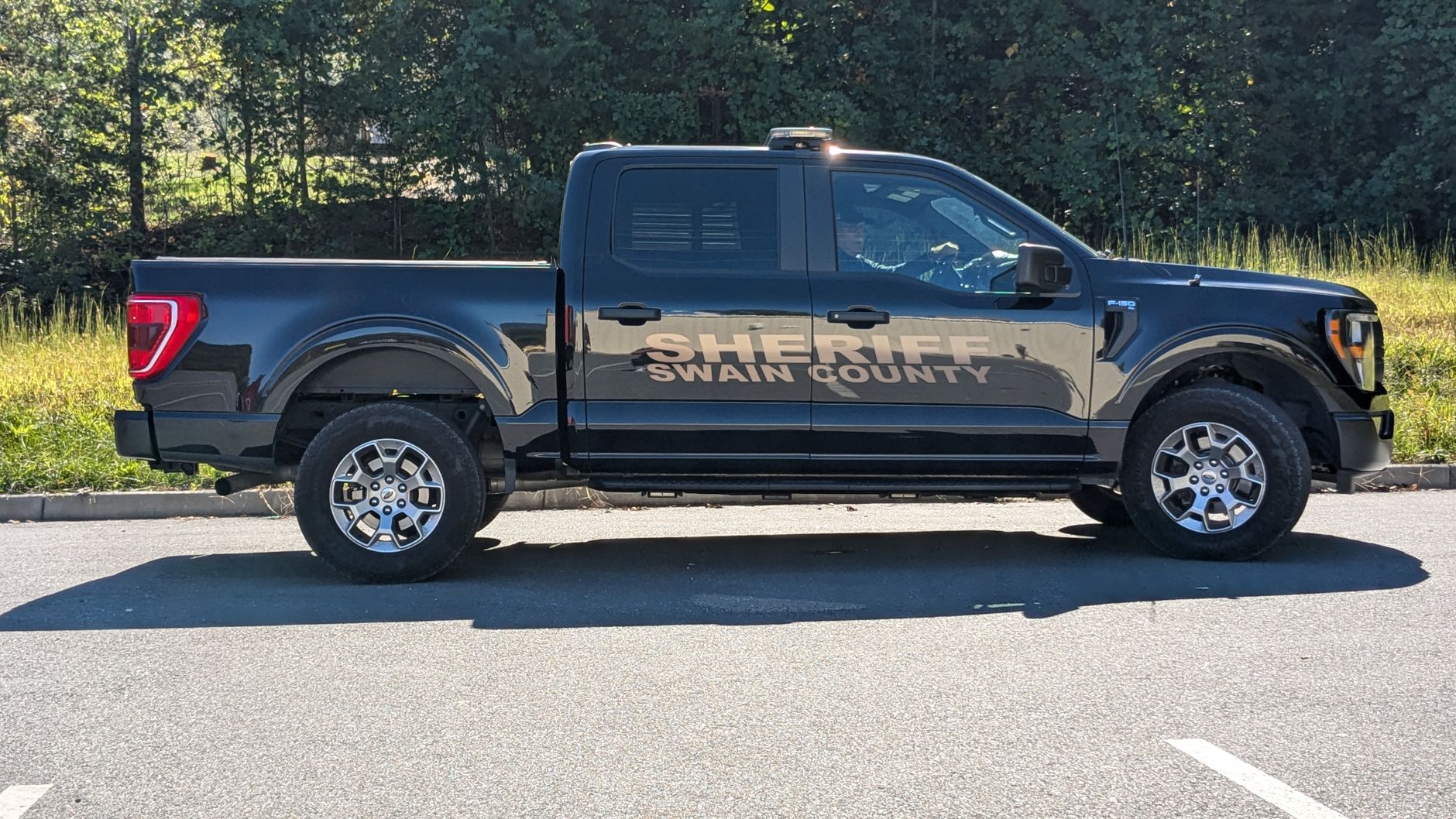 Photo by R9 Media
Color Usage and Psychological Impact
Colors are not just aesthetic choices—they carry emotional weight. Blue, black, and gold are prevalent in law enforcement logos for a reason. Blue often evokes feelings of calm and trust, black signifies strength and authority, while gold can represent honor and excellence. When selecting colors for your logo, think about the emotions you want to evoke in the community and how those colors can enhance your message.
Ideation Techniques for Law Enforcement Logos
Now that you understand the characteristics that define effective logos, let’s explore some actionable steps for brainstorming creative ideas specific to law enforcement.
Analyzing Competitor Logos
Start by gathering inspiration from existing logos used by various law enforcement agencies. Look at local, state, and federal logos. Pay attention to common themes or symbols and consider how you can innovate while still honoring tradition. The goal here is to understand what works and why.
Utilizing Logo Maker Tools
Creating a logo can be a daunting task, but tools like the Logo Maker Shop make the process much simpler. These platforms allow you to browse a variety of templates and customize them according to your preferences. This resource is especially useful for law enforcement agencies that may have specific branding needs.
You can dive deeper into how to use Logo Maker Shop here.
Collaboration with Graphic Designers
If you’re not confident in your design skills, consider working with graphic designers who specialize in the law enforcement sector. Their understanding of the industry can result in more authentic design choices that resonate with both the community and the agency’s values.
Inspiring Creativity in Logo Design
Finding your unique style can be a challenge. Here are some insights to help inspire creativity.
Current Trends in Law Enforcement Logo Design
Trends like minimalism and retro styles are gaining traction in law enforcement logos. Minimalist designs prioritize clean lines and simplicity, making logos easily recognizable. Conversely, retro styles can evoke a sense of nostalgia and history. Explore how these trends resonate with your agency's identity and values.
Case Studies of Successful Law Enforcement Logos
Take inspiration from existing successful logos. For example, the New York Police Department’s logo effectively combines a badge design with the city’s elements, representing community and safety. Analyzing what makes these logos effective can provide practical insights for your own design.
Encouraging Originality and Uniqueness
While inspiration is valuable, originality is equally important. Consider incorporating personal or community elements into your design. This could be local symbols, colors representing community pride, or imagery specific to the geographical area. Unique logos foster a stronger connection with the community, making them feel integral to the agency's identity.
Practical Tips for Effective Logo Design
Designing a great logo can be broken down into several practical principles.
Simplicity and Clarity
A good logo should communicate effectively. Aim for a clean design that’s easy to recognize. Overly complicated logos can confuse or distract from your core message.
Scaling and Versatility
Your logo should look good in various applications. Whether it’s on a business card, a vehicle, or a billboard, it should retain its integrity. Test your designs in different sizes and contexts to ensure versatility.
Feedback and Iteration
Don't hesitate to seek feedback on your designs. Constructive criticism can lead to improvements you might not have considered. Be open to refining your logo, making revisions until it truly represents your agency.
Conclusion
Designing a logo for the law enforcement industry isn't just about aesthetics—it's about weaving a story of trust, authority, and community connection. By understanding the key characteristics of effective logos, utilizing ideation techniques, and embracing originality, you can create something impactful.
Ready to create your law enforcement logo? Explore the Logo Maker Shop today to design a compelling logo that embodies the values of your agency and resonates with the community you serve.

Michael Harper is a Senior Content Strategist at MarketInsider.co, a premier source for insights on digital marketing and business trends. With over 15 years of expertise in content development and strategic communications, Michael is renowned for his ability to craft compelling narratives that resonate with diverse audiences. He holds a Bachelor’s degree in Journalism from New York University and a Master’s degree in Business Administration from Columbia Business School. Outside of work, Michael is passionate about historical literature and enjoys hiking the trails of the Pacific Northwest.