Laminated Panel Industry Logo Design Ideas
A unique and creative logo plays a significant role in the laminated panel industry. It not only establishes brand identity but also enhances recognition among customers. A great logo captures the essence of your business, helping to communicate your values and products effectively. With the rise of design platforms like the Logo Maker Shop, creating impactful logos has never been easier. Let’s explore the essential elements that make an effective logo in the laminated panel sector.
Understanding the Laminated Panel Industry
The laminated panel industry has distinct characteristics that influence logo design decisions. This sector specializes in creating high-quality materials suitable for various applications, ranging from furniture to construction.
Key Characteristics of Laminated Panels
When thinking about logo designs, consider how laminated panels themselves offer unique features. Textures, colors, and application areas should be reflected in your logo. For instance, the shiny, smooth surfaces of laminate can inspire a modern look, while the various finishes might suggest different color palettes. If your laminated panels are often used for kitchen cabinetry, for example, your logo could incorporate warm, inviting colors that reflect interior design trends.
Target Audience and Market Trends
Understanding your audience is crucial. The laminated panel market attracts a variety of customers, including architects, designers, and homeowners. As sustainability becomes a priority, consumers favor companies that showcase eco-friendly practices. Stay updated on current trends such as minimalism and adaptability, which are key in design—these can guide your logo's direction.
Logo Design Principles for the Laminated Panel Industry
Creating a logo that resonates with your audience requires adherence to essential design principles.
Simplicity and Relevance
A straightforward, memorable logo is vital for brand recognition. Simplicity ensures that your logo is easily identifiable, even from a distance. Think of brands like Apple or Nike. Their logos are simple yet packed with meaning. Ensure that your logo reflects the laminated panel business by incorporating elements that connect with your audience instantly.
Color Psychology in Logo Design
Colors elicit emotions. For the laminated panel industry, shades like greens and earthy tones may suggest sustainability, while bold colors can evoke innovation and modernity. Choosing the right color can help communicate the qualities of your panels; for instance, a deep blue might reflect durability, while a soft beige can suggest warmth and home comfort.
Typography Choices
Your font should convey professionalism and reliability. Opt for clean, modern typefaces that are easy to read. Avoid overly decorative fonts that may distract from your message. Think about how your choice in typography can represent your brand values.
Ideation Techniques for Logo Concepts
Generating ideas for your logo designs can be an exciting journey. Here’s how to get started.
Visual Inspiration Sources
Look for inspiration on design websites, social media platforms, and even nature. Websites like Behance and Dribbble showcase innovative designs and can spark creativity. Pins on Pinterest, particularly those focused on interior design, can also offer fresh ideas reflecting current trends.
Sketching and Concept Development
Sketching is an effective way to explore your ideas. Don’t worry about perfection; just get your thoughts on paper. After you have several concepts, refine them using tools available at the Logo Maker Shop. This platform offers user-friendly features that help bring your sketches to life.
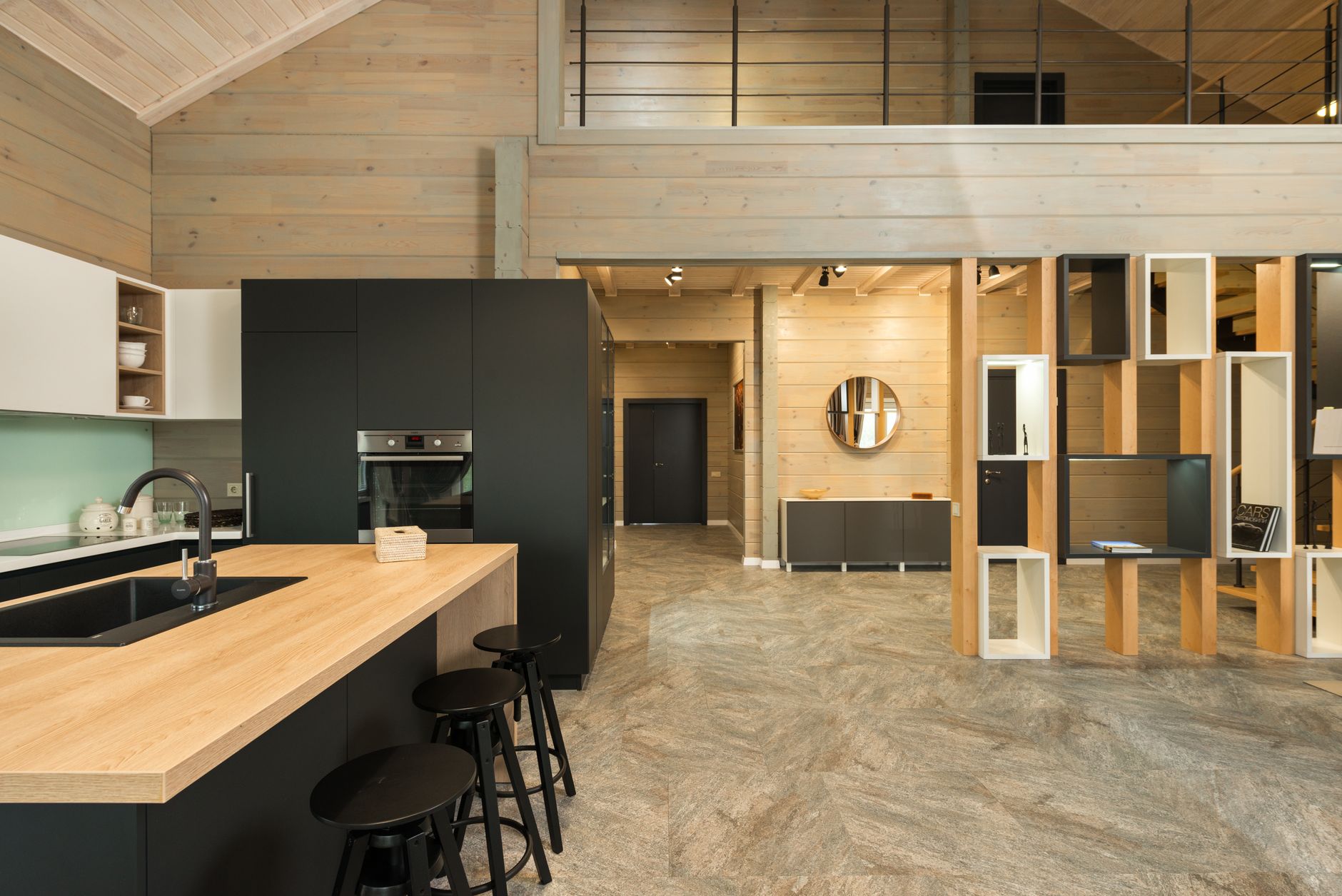
Photo by Max Vakhtbovycn
Case Studies: Successful Laminated Panel Logos
Here are a few logos within the industry that inspire success.
Brand Recognition and Visual Impact
Looking at existing logos provides valuable lessons in brand recognition. Successful logos often have elements that are easily associated with their products. Notice how the color schemes or symbols fit well with the message they aim to convey. Analyze logos from companies like Formica or Wilsonart—they cleverly incorporate their brand identity into their designs.
Innovative Design Practices
Innovative logos make use of negative space, unique shapes, and clever imagery that stand out in the crowded market. For example, a logo that cleverly integrates a laminate sheet into its letters can drive its point home and keep it memorable.
Taking Action: Create Your Laminated Panel Logo
With all of this knowledge, it’s time to create your own logo. Use the resources available at the Logo Maker Shop to get started on your design today.
Step-by-Step Logo Creation Guide
Creating a logo can be simple. Begin by browsing design templates at the Logo Maker Shop. Choose one that resonates with your vision for the laminated panel business. You can customize colors, fonts, and shapes until it feels just right. For a more detailed guide, you can visit how to create logos with the Logo Maker Shop.
Utilizing Feedback for Improvement
Never underestimate the power of feedback. Share your designs with colleagues or potential customers to gain valuable input. Be open to making adjustments based on their suggestions, which can elevate your logo significantly.
Conclusion
A well-designed logo is essential in the laminated panel industry. It communicates your brand identity and builds a connection with your audience. By understanding your market, adhering to design principles, and leveraging tools like the Logo Maker Shop, you can create a logo that stands out. Now, it’s your turn to explore your creativity and craft a logo that best represents your laminated panel brand!

Michael Harper is a Senior Content Strategist at MarketInsider.co, a premier source for insights on digital marketing and business trends. With over 15 years of expertise in content development and strategic communications, Michael is renowned for his ability to craft compelling narratives that resonate with diverse audiences. He holds a Bachelor’s degree in Journalism from New York University and a Master’s degree in Business Administration from Columbia Business School. Outside of work, Michael is passionate about historical literature and enjoys hiking the trails of the Pacific Northwest.