How to Get Clients for Your Skin Tightening Business
Starting a skin tightening business is a fantastic venture, but attracting clients is essential for your success. The beauty and aesthetics market is bustling with potential, and your business can thrive if you implement effective client acquisition strategies. Understanding the dynamics of your target audience, building a robust brand identity, and using efficient marketing strategies can significantly impact your revenue and growth.
Understanding Your Target Audience
Understanding who your clients are can make or break your business.
Identifying Common Client Needs
Most clients seeking skin tightening services have specific concerns. Aging skin, sagging, wrinkle formation, and the desire for overall skin health can motivate potential clients to seek your services. They often look for treatments that promise results without extensive recovery times.
Creating Client Personas
Imagine your ideal clients. Are they middle-aged professionals looking to enhance their appearance before an upcoming event? Or perhaps younger individuals striving for skin health? Craft detailed client personas by considering demographics—age, gender, income—as well as psychographics—lifestyle, habits, and challenges. These personas will guide your marketing efforts and service offerings.
Building a Strong Brand Identity
A strong brand helps attract clients by building trust.
Designing a Memorable Logo
Your business logo is the first impression clients will have. Aim for simplicity, clarity, and relevance to skin care. Use colors that resonate with your brand personality and attract your target demographic. A well-designed logo signals professionalism and sets the tone for your brand.
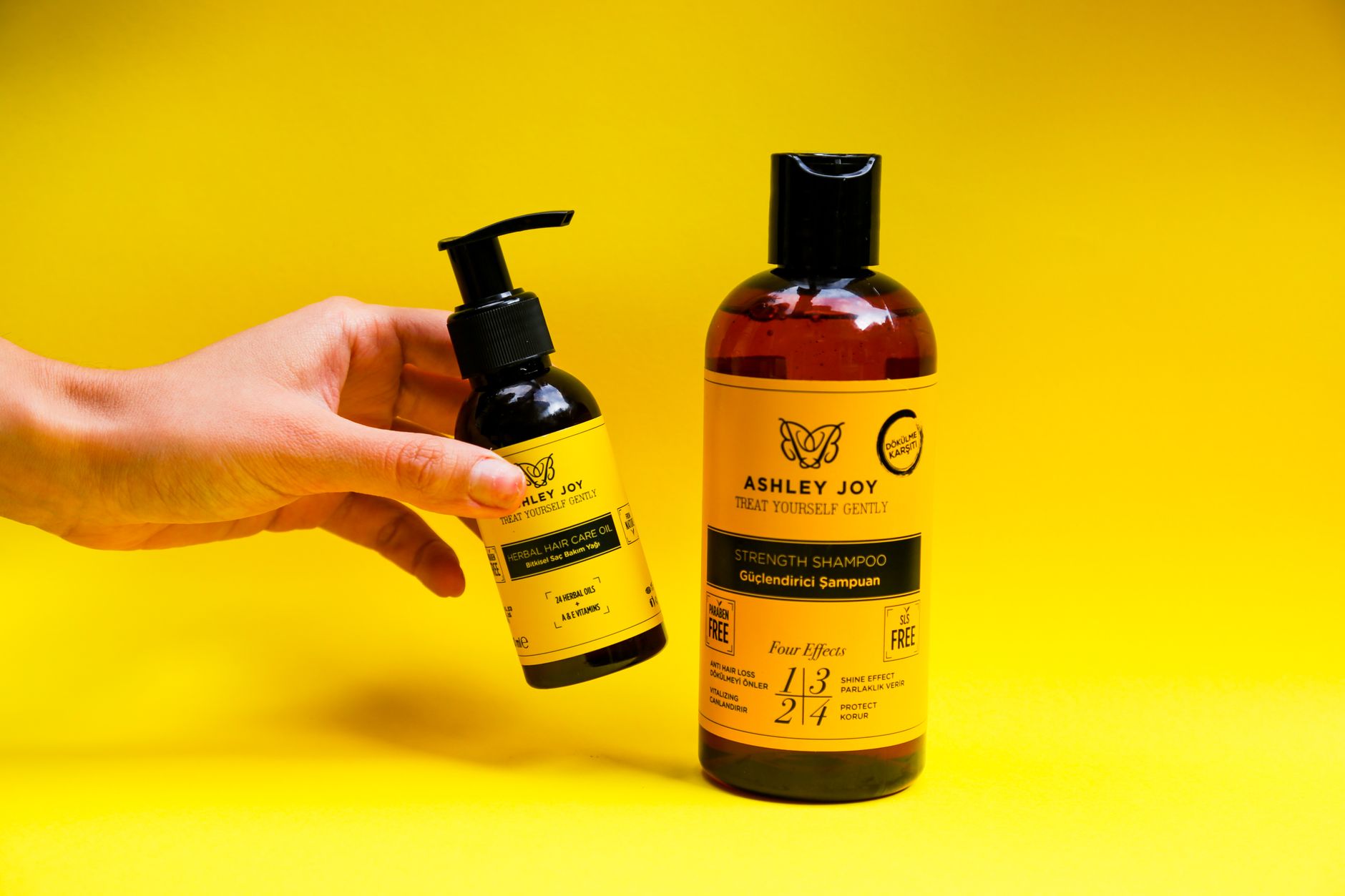
Photo by Doğu Tuncer
Crafting a Compelling Brand Story
Your brand story shouldn’t just be about what you offer; it should evoke emotion. Define your journey—why did you start this business? What motivates you to help others achieve their beauty and wellness goals? Share this narrative on your website and social media. Stories connect with people, making them more likely to choose you over competitors.
Effective Marketing Strategies
Strategic marketing invites clients to discover and engage with your services.
Utilizing Social Media Platforms
Harness the power of social media channels like Instagram, Facebook, and TikTok. These platforms are perfect for showcasing before-and-after results, client testimonials, and promotions. Snap eye-catching photos and videos, and leverage the visual aspect of skin tightening services to engage potential clients.
Content Marketing and SEO
Publishing high-quality content that educates your audience about skin tightening not only enhances visibility but positions you as an authority. Write informative blog posts, create how-to videos, and free guides. Incorporate SEO strategies by focusing on keywords like “clients” or “skin tightening services” to improve ranking on search engines.
Engaging with Local Community Events
Participate in local health fairs, beauty expos, and community events. They’re great opportunities to engage face-to-face with potential clients. Offer free consultations or skin assessments to grab their interest. Networking in person often leads to valuable referrals.
Referral Programs and Incentives
Encourage your current clients to refer friends. Offer discounts on future services or free treatments as a reward for every successful referral. Happy clients become your best advocates, and this word-of-mouth is powerful marketing.
Online Reviews and Reputation Management
Cultivate your online reputation. Encourage satisfied clients to leave positive reviews on platforms like Google and Yelp. Responding professionally to both positive and negative reviews demonstrates your commitment to client satisfaction and can influence potential clients' decisions.
Providing Exceptional Customer Experience
Creating a memorable client experience can lead to repeated visits and referrals.
Personalized Consultations
Turn each consultation into a carefully tailored experience. Address clients’ specific needs and concerns, allowing them to feel valued and understood. Providing clear guidance and demonstrating your expertise can lay the groundwork for trust and loyalty.
Follow-Up Communication
Don't let your connection with clients end after they leave your establishment. Implement follow-up routines that encourage feedback or offer post-treatment tips. This ongoing communication shows clients you care—keeping them engaged and more likely to return.
Leveraging Technology for Client Acquisition
Technology offers great tools to streamline services and attract clients.
Website Optimization and Online Booking Systems
In today's world, your website is often the first point of contact. Optimize it for user-friendliness—ensure it’s easy to navigate and provides all necessary information regarding services. Incorporating an online booking system can cater to tech-savvy clients who prefer convenience and efficiency.
Email Marketing Campaigns
Keep your clients engaged through informative email newsletters. Share updates about new treatments, promotions, and educational content that informs and empowers them. Regular, valuable communication maintains interest and encourages repeat visits.
Conclusion
Attracting clients to your skin tightening business is an ongoing process that requires strategic efforts within marketing, branding, and exceptional customer experience. Each aspect addresses clients’ needs, builds trust, and fosters a supportive environment. Commit to understanding your audience, optimizing your outreach, leveraging technology, and maintaining a personal touch to secure long-term success. Your clients are out there waiting—are you ready to connect with them?

Michael Harper is a Senior Content Strategist at MarketInsider.co, a premier source for insights on digital marketing and business trends. With over 15 years of expertise in content development and strategic communications, Michael is renowned for his ability to craft compelling narratives that resonate with diverse audiences. He holds a Bachelor’s degree in Journalism from New York University and a Master’s degree in Business Administration from Columbia Business School. Outside of work, Michael is passionate about historical literature and enjoys hiking the trails of the Pacific Northwest.