How to Get Clients for Your Precious Metal Recovery Business
Client acquisition plays a crucial role in the success of your precious metal recovery business. With a competitive market and rising interest in eco-friendly initiatives, finding and keeping clients can boost profitability. Let’s dive into effective strategies that will help you not only attract clients but also build long-lasting relationships with them.
Understanding Your Target Market
Knowing your potential clients is key to tailoring your offerings and marketing strategies. Think of your target demographic and how they engage with your services.
Identifying Key Client Segments
Different industries demand precious metal recovery solutions. Here are a few crucial segments to consider:
- Electronics Recyclers: These companies often deal with obsolete electronics, which are loaded with precious metals.
- Jewelry Makers: Craftsmen in this industry frequently require refined metals to create new items.
- Industrial Sectors: Numerous manufacturing processes utilize precious metals, making them significant clients.
Recognizing these segments ensures you can focus your outreach efforts efficiently.
Client Needs and Pain Points
What do clients value? Here are some essential elements:
- Trust: Many clients worry about ethical practices and safety standards, particularly when dealing with precious materials.
- Speed: Time is often crucial when it comes to recovering and processing metals.
- Pricing: Competitive rates are vital, but transparency in pricing strengthens confidence.
By addressing these needs, you can establish a strong foundation for relationships with your potential clients.
Building a Strong Brand Identity
Your brand identity plays a pivotal role in making you stand out. It showcases who you are as a business and what you represent.
Creating a Distinct Logo
Designing a professional logo is more than just aesthetics; it’s about creating memorable impressions. Your logo needs to resonate with your brand values and services.
Establishing a Consistent Brand Message
Communicate your value proposition clearly across all platforms. Unifying your messaging will help clients quickly grasp what makes your service unique. Consider elements like:
- Social Media Posts: Share informative and engaging content that reflects your brand ethos.
- Website Messaging: Make sure your website tells a cohesive story about your services and values.
Staying consistent cultivates recognition and trust.
Effective Marketing Strategies
Building client relationships begins with smart marketing strategies that target potential customers.
Utilizing Digital Marketing
Embracing digital marketing can attract clients actively searching for services like yours. Optimize your website for search engines using targeted keywords related to precious metal recovery.
- SEO Techniques: Regularly update your website with blogs that discuss recovery methods or market trends to boost visibility.
- Content Marketing: Create valuable content that addresses client questions and needs.
This approach establishes your credibility and keeps your audience engaged.
Social Media Engagement
Platforms like Instagram, Facebook, and LinkedIn are vital touchpoints for building community connections. Share success stories, updates, and industry news to engage viewers and position your brand as one that cares.
Networking at Industry Events
Attend trade shows and networking events focused on recycling, precious metals, or sustainability. Meeting potential clients in person can create lasting relationships. Here, you can pitch your services directly and learn about pain points in their specific industries.
Referral Programs and Partnerships
Leverage your existing client base by encouraging referrals.
- Incentive Programs: Offer discounts or bonuses for clients who refer new customers.
- Collaborate with Related Businesses: For example, partner with electronics recycling companies for mutual referrals.
Offering Workshops and Educational Content
Hosting workshops that educate clients on the importance of precious metal recovery not only positions you as an expert but also generates goodwill. Providing valuable insights helps to establish authority and trust in your field.
Building Trust and Credibility
In a field involving valuable materials, trust isn’t just beneficial; it’s necessary.
Client Testimonials and Case Studies
Showcase success stories from past clients. Testimonials highlight your credibility and demonstrate your ability to deliver results. A well-structured case study detailing how you solved a client’s problem can serve as powerful marketing material.
Transparency in Pricing and Processes
Make sure potential clients understand your rates and how you arrive at them. Adopting transparent practices in your processes reinforces trust and eases client anxieties.
Maintaining Client Relationships
Acquiring a client is only half the battle; retaining them is equally important.
Follow-Up Communication
After delivering your service, check back in with your clients. A simple follow-up call or email can open avenues for repeat business—customers love feeling valued.
Feedback and Continuous Improvement
Nothing spells growth like listening to clients. Solicit their feedback regularly to improve your services. This not only assists in refining your processes but also involves them in the journey of your business.
Conclusion
Acquiring and keeping clients for your precious metal recovery business can be challenging but incredibly rewarding. By understanding your target market, establishing a strong brand identity, employing smart marketing strategies, and fostering ongoing relationships, you can position your business for success. Start implementing these strategies today, and watch your client base flourish!
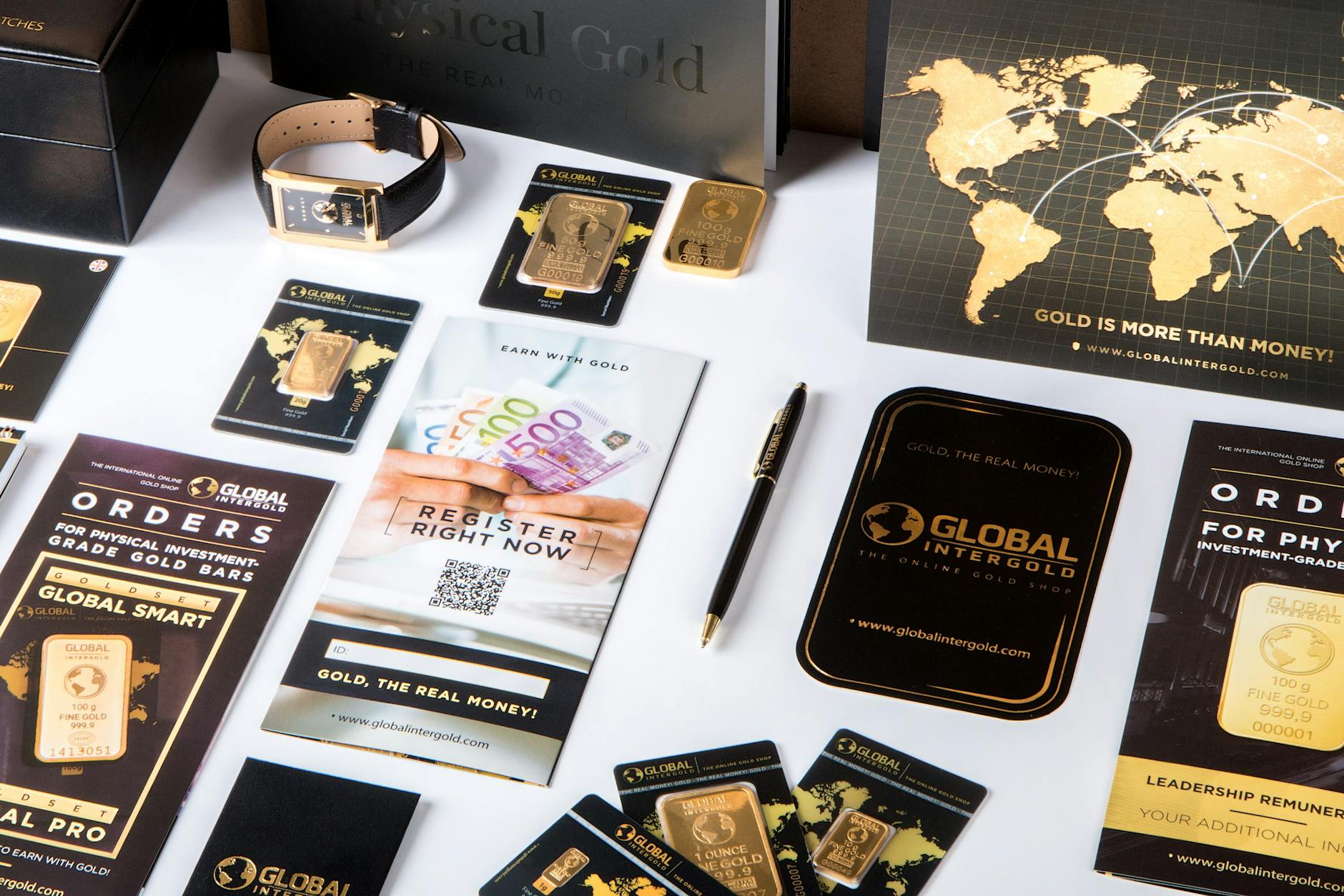
Photo by Michael Steinberg

Michael Harper is a Senior Content Strategist at MarketInsider.co, a premier source for insights on digital marketing and business trends. With over 15 years of expertise in content development and strategic communications, Michael is renowned for his ability to craft compelling narratives that resonate with diverse audiences. He holds a Bachelor’s degree in Journalism from New York University and a Master’s degree in Business Administration from Columbia Business School. Outside of work, Michael is passionate about historical literature and enjoys hiking the trails of the Pacific Northwest.