How to Get Clients for Your Li-Ion Battery Recycling Business
The rise of electric vehicles and portable electronics has created a substantial demand for lithium-ion (Li-Ion) battery recycling. In this booming area of the market, your client acquisition strategies can make or break your success. A well-developed marketing approach will not only keep your business thriving but also contribute significantly to environmental sustainability.
Understanding the Li-Ion Battery Recycling Market
Recycling Li-Ion batteries is essential for several key reasons. First, it reduces the environmental impact of battery disposal. Harmful materials can leach into the soil and water, creating long-term ecological damage. By recycling, we can recover important materials, reduce the need for new raw materials, and lower greenhouse gas emissions associated with mining.
Moreover, as technology evolves, the collection, recycling, and sustainable management of Li-Ion batteries have become critical. Consumers and industries alike are looking for responsible disposal methods, enhancing the opportunities for your recycling business.
Identifying Your Ideal Clients
Defining your ideal clients is crucial for your marketing efforts. These clients come in various forms—businesses, consumers, and potential partners.
Target Businesses for Partnerships
Consider these types of businesses that generate used batteries:
- Electric Vehicle Manufacturers: Collaborate with companies that produce or utilize electric vehicles, which have significant battery needs.
- Electronics Producers: Partner with manufacturers of gadgets or appliances that rely heavily on rechargeable batteries.
- Local Recycling Centers: Support existing recycling facilities with a specialized focus on Li-Ion batteries.
Finding common ground with these businesses can establish long-term partnerships, creating a steady inflow of clients.
Consumer Outreach Strategies
For individual clients, educating them on how to properly dispose of their batteries can create awareness and interest in your services.
- Educational Campaigns: Create informative materials that explain the importance of battery recycling. Use flyers, blog posts, and social media.
- Workshops: Host events or workshops demonstrating safe battery disposal and the benefits of recycling. Think about partnering with local community centers.
By establishing a connection with consumers, you'll foster greater awareness and demand for your recycling services.
Brand Identity and Marketing Strategies
A strong brand identity is vital for attracting clients. Your branding will communicate your values and professionalism to potential customers.
Creating a Memorable Logo
Your logo is often the first impression clients have about your business. A professional, eye-catching design creates instant recognition and can set you apart from competitors.
- Hire a Designer: If budget allows, consider getting a professional designer who can visually express your mission.
- Logo Meaning: Ensure your logo reflects your environmental commitment—this connection can resonate with eco-conscious clients.
Website Development and SEO
Having a user-friendly website is crucial for client acquisition. An optimized website ensures you reach your target audience effectively.
- Keyword Optimization: Use relevant keywords like "Clients," "Success," "Marketing," "Brand Identity," and "Small Business Owner" throughout the content.
- Search Functionality: Create easy navigation for potential clients to contact you or find services quickly.
A good website will also help improve your search engine visibility, driving more potential clients to your business.
Leveraging Social Media and Online Platforms
Social media platforms can help you engage potential clients and build a community around your business.
Content Marketing
Creating informative content about recycling practices can attract and educate clients.
- Blog Posts: Write blogs that aim to educate readers on the importance of recycling Li-Ion batteries.
- Infographics and Videos: Utilize these formats for clearer, engaging summaries of why recycling matters.
Providing valuable content helps position your business as an authority in the recycling sector, attracting inquiries and generating leads.
Utilizing LinkedIn for Networking
LinkedIn is an invaluable tool for connecting with industry professionals and businesses that might need your services.
- Join Groups: Engage in discussions related to recycling and sustainability.
- Post Updates: Share your progress, eco-initiatives, and company news to grow your professional network.
Building relationships on LinkedIn can lead to partnerships that enhance your client base.
In-Person Networking Opportunities
Face-to-face engagements can foster trust and lasting relationships.
Industry Events and Trade Shows
Attending industry events allows you to showcase your services to a broader audience.
- Set Up a Booth: Have materials on hand about your recycling services to distribute.
- Network: Use these opportunities to establish personal connections with potential clients, learning their needs better.
Local Community Engagement
Community events can raise awareness and endorse your services.
- Organize Cleanup Days: Create events focused on collecting batteries while teaching attendees the importance of recycling.
- Sponsorships: Partner with local environmental groups or schools to sponsor sustainability initiatives.
These efforts can enhance your visibility and connect you with clients looking for responsible recycling operators.
Promotions and Incentives
Strategic promotions can draw in clients wanting to recycle their batteries.
Referral Programs
Encouraging satisfied clients to refer others can be an effective way for you to gain new clients.
- Offer Discounts or Bonuses: Clients who refer others could receive incentives such as discounts on their next recycling.
Loyalty Programs for Repeat Business
Creating loyalty programs can keep clients returning and boost your reputation.
- Track Purchases: Consider providing clients with rewards based on their recycling habits or frequency.
- Highlight Savings: Show how their loyalty brings value to both them and the environment.
Fostering commitment among your clients can lead to significant referrals over time.
Monitoring and Adapting Your Strategy
Finally, tracking your client acquisition efforts is vital for long-term success.
Using Analytics for Improvement
Analytics tools can help gather data on which strategies worked best.
- Assess Client Feedback: Gather reviews from clients on their experiences with your services.
- Revise Your Plan: Use this data to adapt your strategies and ensure you’re meeting the needs of your target clients.
Ongoing analysis can optimize your approach and solidify your market presence.
Conclusion
Acquiring clients for your Li-Ion battery recycling business hinges on well-thought-out strategies. By identifying your ideal clients, establishing a strong brand identity, leveraging online platforms, networking in person, and monitoring your efforts, you'll lay the groundwork for lasting relationships. Your ability to attract attention, gain trust, and provide value will position your business as an essential player in the battery recycling landscape, ultimately leading to success. Continue to explore avenues for engagement, and watch your client base mature.
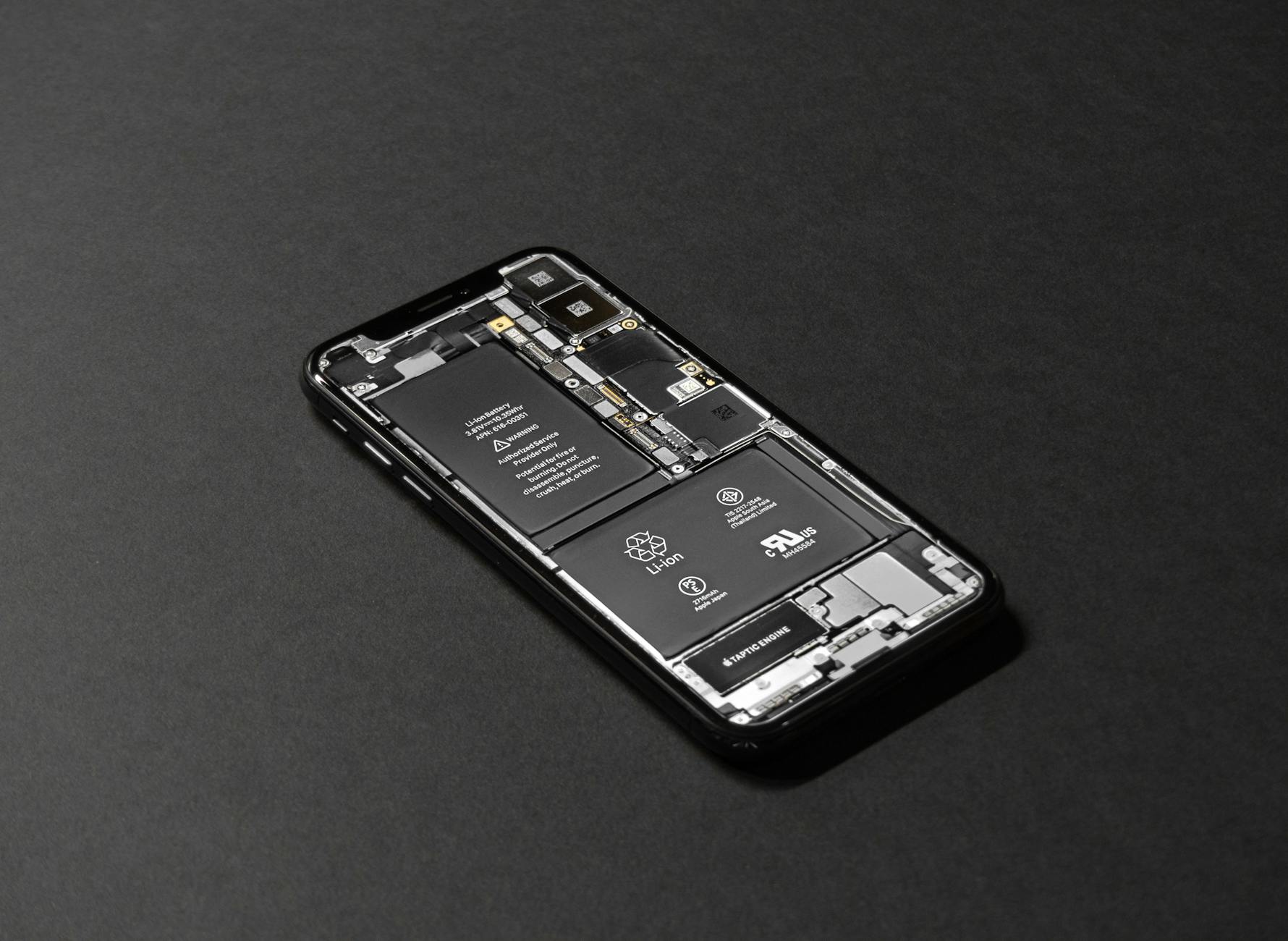
Photo by Tyler Lastovich

Michael Harper is a Senior Content Strategist at MarketInsider.co, a premier source for insights on digital marketing and business trends. With over 15 years of expertise in content development and strategic communications, Michael is renowned for his ability to craft compelling narratives that resonate with diverse audiences. He holds a Bachelor’s degree in Journalism from New York University and a Master’s degree in Business Administration from Columbia Business School. Outside of work, Michael is passionate about historical literature and enjoys hiking the trails of the Pacific Northwest.