How to Get Clients for Your Ethnic Foods Business
Ethnic foods have become incredibly popular as consumers wander beyond basic palates to explore rich cultures through cuisine. Unfortunately, getting clients can be challenging in this competitive market. As a small business owner in the ethnic foods niche, you not only want to craft delicious meals but also ensure a steady stream of customers who appreciate your unique offerings.
Here’s how to effectively attract clients to your ethnic foods business and carve out your place in this flavorful landscape.
Understanding Your Target Audience
Knowing your audience is essential for successful marketing. Who enjoys ethnic foods? What drives them to seek out new culinary experiences? Understanding these can give you an edge.
Identifying Ethnic Food Consumers
To attract clients, you must first explore who they are. Consider characteristics like:
- Cultural Backgrounds: People from various cultures often seek foods from their heritage. Catering to these tastes can pique their interest while also inviting others to explore.
- Age Groups: Younger audiences tend to be adventurous eaters. Are you tapping into university students or millennials, who might be more open to trying new dishes?
- Dietary Preferences: Vegan, gluten-free, or organic options attract a diverse clientele. Ensure your menu reflects these choices.
Understanding Food Trends
The food landscape is always evolving. Stay updated with trends like plant-based meals or fusion foods to keep your offerings relevant and engaging. Regularly reading food blogs, follow culinary influencers on social media, and attend food festivals can keep you informed about what’s hot.
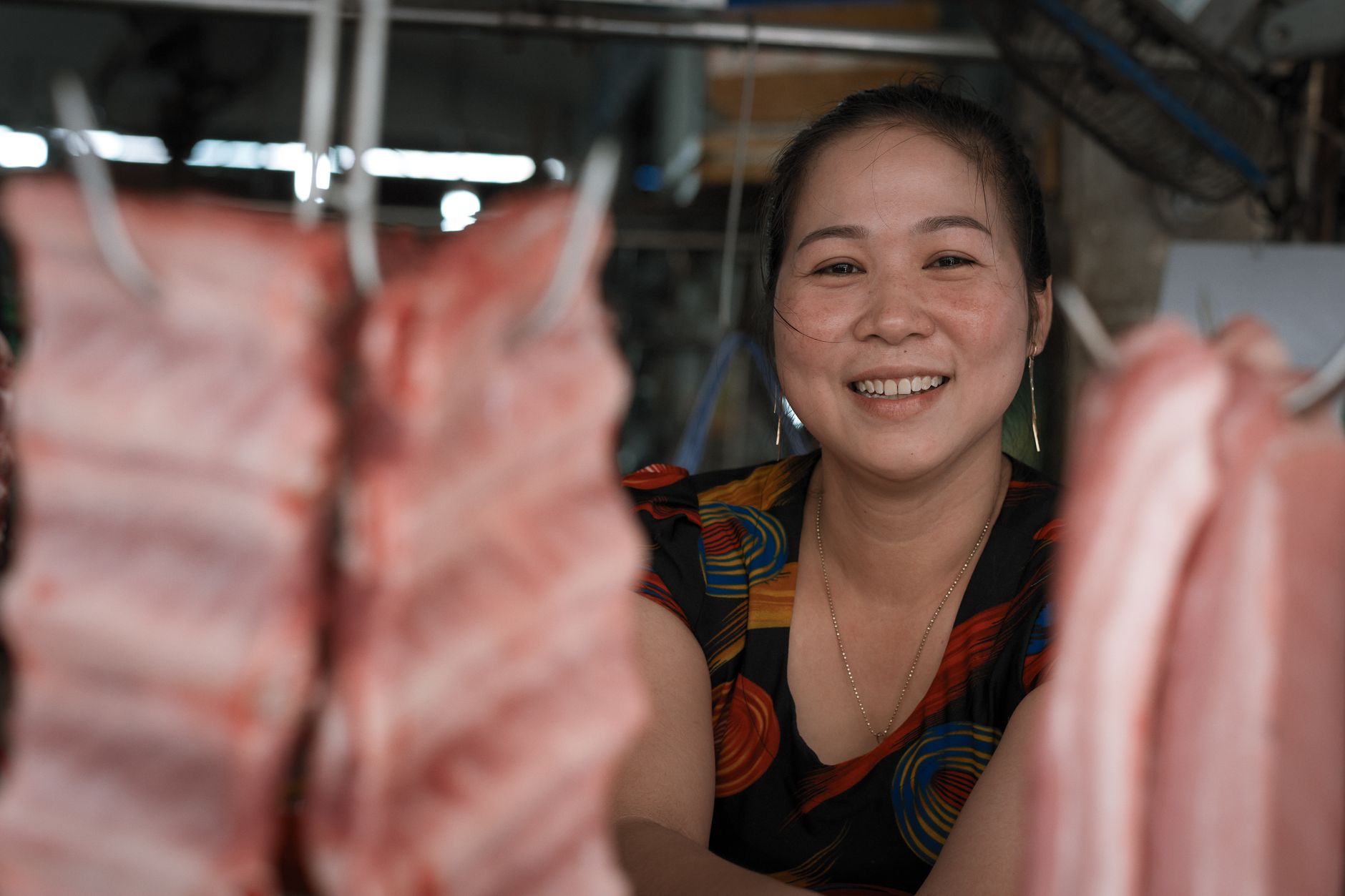
Photo by Yulia Rozanova
Building a Compelling Brand Identity
A captivating brand identity will ensure your ethnic foods business stands out. What do you want people to feel when they hear your brand name?
Creating a Unique Logo
A striking logo can encapsulate your brand identity in one glance. Here are tips to consider:
- Simplicity: Your logo should be straightforward yet memorable.
- Cultural References: Incorporate elements that hint at your unique offerings. Whether it's an ingredient, cooking utensil, or symbol, it should resonate with your cuisine.
- Versatility: Ensure it looks great across various platforms, from menus and social media to packaging.
Developing Brand Storytelling
People connect with stories. Share travel experiences, family recipes, or cultural significance behind your dishes. This humanizes your brand, and allows potential clients to relate on a personal level.
Effective Marketing Strategies
Now comes the fun part: attracting clients with creative marketing tools!
Utilizing Social Media
Social media platforms are excellent for showcasing ethnic foods. Roles of different platforms:
- Instagram: Perfect for mouth-watering food photography. Capture vibrant colors and unique plating styles.
- Facebook: A great place to share updates about your menu or events. Use it to engage with local customers through community groups.
Creating Engaging Content
Engage your audience with appealing content. Whether it’s vibrant food photography or fun cooking videos, eye-catching visuals can convert casual browsers into loyal customers. Share stories around dishes on your website or blog to enhance visibility.
Promotional Deals and Events
People love a good deal! Create enticing promotions, such as:
- Discounts on first-time orders
- BOGO deals or family meal packages
- Limited-time summer specials inspired by seasonal ingredients
Collaborating with Influencers
Team up with food bloggers and local influencers who have a laser-focused food audience. They can provide authentic endorsements that extend your reach to potential clients eager to try your offerings.
Leveraging Community Events
Community connections play a significant role in getting clients. Participate in local food festivals, sponsor events, or even host cooking classes. This not only increases your visibility but builds trust and loyalty in the community.
Using Customer Feedback and Reviews
Happy customers create credibility. Don’t underestimate the power of online reviews and feedback.
Encouraging Online Reviews
Make it easy for satisfied clients to leave reviews, whether through Yelp, Google, or your social channels. Perhaps offer small discounts or free add-ons for customers who take a moment to share their experiences.
Responding to Feedback
Always respond to reviews, positive or negative. Thank customers for their positive feedback and address concerns gracefully. This shows potential clients you value customer input and are dedicated to improvement.
Establishing Partnerships
Forming partnerships can open new doors to attracting more clients.
Partnering with Local Businesses
Consider collaborations with local shops and markets that align with your brand. Think of co-hosting tastings or cross-promoting products. Not only does this help develop your client base, but it also builds relationships within the community.
Joining Ethnic Food Networks
Become a part of ethnic food networks and associations. These groups can provide vital support, resources, and networking opportunities that help you gain more clients along your gastronomic journey.
Conclusion
Attracting clients to your ethnic foods business requires an engaging brand and effective marketing strategies. By understanding your target audience, establishing a solid brand identity, harnessing creative marketing techniques, leveraging customer feedback, and forming valuable partnerships, you can carve out your niche in the competitive culinary landscape.
Get started today! Explore these strategies, fuel your passion, and watch your ethnic foods business thrive. Your culinary journey awaits, and success is on the horizon.

Michael Harper is a Senior Content Strategist at MarketInsider.co, a premier source for insights on digital marketing and business trends. With over 15 years of expertise in content development and strategic communications, Michael is renowned for his ability to craft compelling narratives that resonate with diverse audiences. He holds a Bachelor’s degree in Journalism from New York University and a Master’s degree in Business Administration from Columbia Business School. Outside of work, Michael is passionate about historical literature and enjoys hiking the trails of the Pacific Northwest.