How to Get Clients for Your Culinary Tour Business
The culinary tour industry is bustling with excitement as more people seek unique and immersive food experiences. As a culinary tour business owner, your challenge is to stand out in this growing market. Attracting clients requires effective marketing strategies that resonate with food enthusiasts and local culture seekers. This guide aims to provide practical insights into how to secure clients for your culinary tour business.
Understanding Your Target Audience
To draw clients effectively, first understand who you're trying to attract. Identifying key demographics will help you tailor your tours to meet their preferences.
Defining the Ideal Client
Your ideal client may range from foodies eager to explore new cuisines to tourists seeking authentic dining experiences. Consider demographics like:
- Age: Are they millennials seeking adventure or retirees looking for laid-back experiences?
- Interests: Are they interested in cooking classes, wine tasting, or local street food?
- Culinary Preferences: Consider dietary restrictions like vegetarianism or gluten-free options.
Creating a client persona can guide your offerings and marketing efforts. For example, if your audience largely consists of young adults who love social media, engaging visuals and shareable content will attract their attention.
Researching Audience Preferences
Surveys and feedback from past clients can highlight what they love most about your tours. Ask questions like:
- What was your favorite part of the tour?
- Would you recommend it to a friend? Why or why not?
This feedback is invaluable for refining your tours to better meet client expectations, leading to higher satisfaction and repeat business.
Building a Strong Brand Identity
A strong brand identity differentiates your business in the culinary tour scene. It instills trust and recognition among potential clients.
Crafting Your Brand Message
Your brand message should resonate deeply with your target audience. Focus on what makes your tours unique. Do you offer exclusive tastings with renowned chefs, or perhaps an emphasis on local family recipes?
Tell a story through your branding—one that invites clients to join you on a culinary journey. Ensure every message encapsulates your passion for food and culture.
Creating a Memorable Logo
A well-designed logo acts as the face of your business. Make sure it reflects the essence of your tours. Think vibrant colors and symbols that evoke flavors and experiences. Logos featuring utensils, plates, or local ingredients can grab attention and spark interest in food lovers.
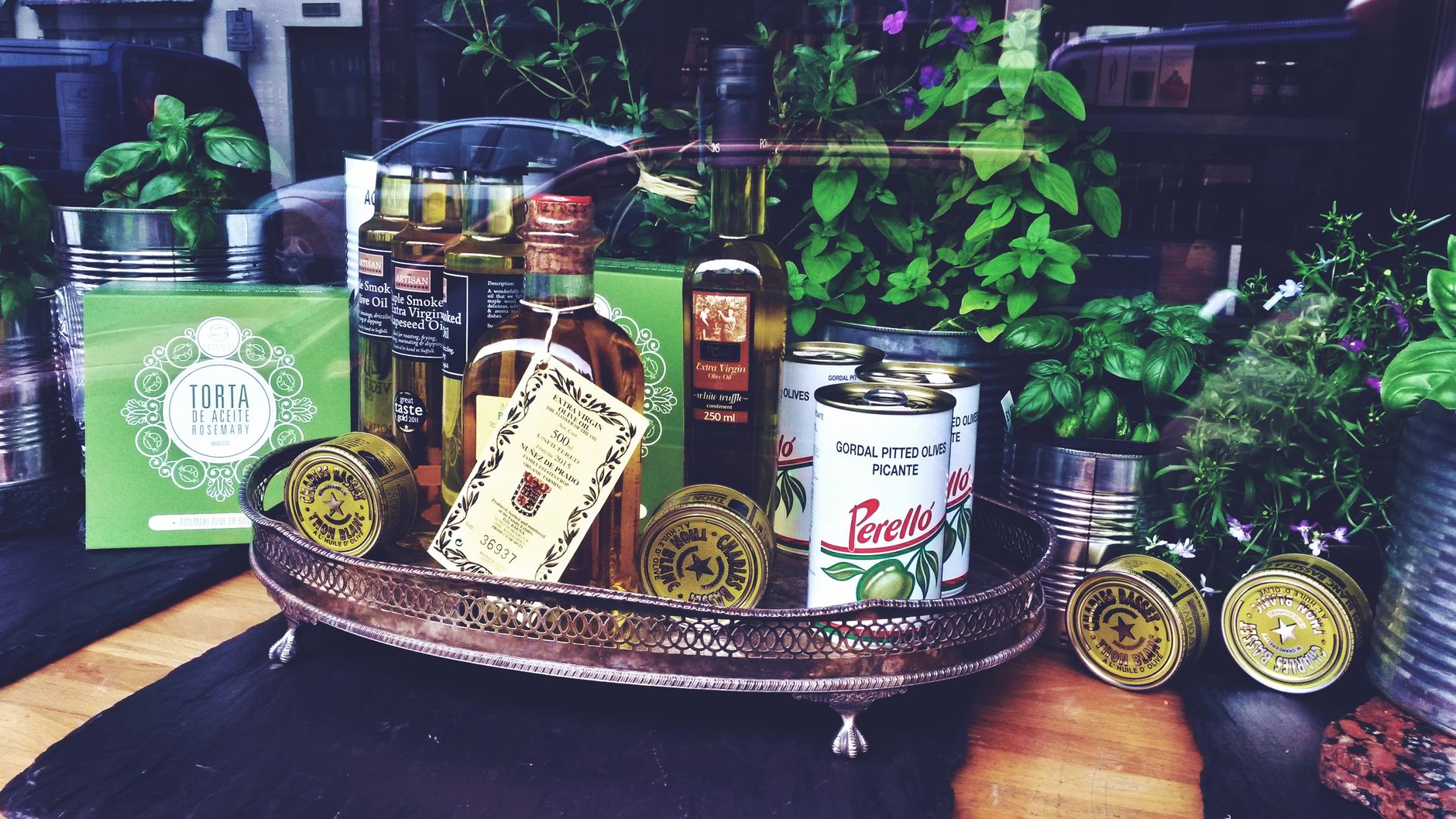
Photo by Suzy Hazelwood
Leveraging Digital Marketing Strategies
In today’s digital world, a strong online presence is vital. Utilize various online platforms to showcase your culinary tours effectively.
Social Media Engagement
Use platforms like Instagram and Facebook to present mouth-watering visuals from your tours. Share vibrant images of dishes, behind-the-scenes moments, and client testimonials. Engage with your audience by asking questions about their culinary interests and hosting giveaways.
Regularly update your stories with quick footage of recent tours or interviews with chefs you collaborate with. This interaction reminds clients of the experiences you offer and invites them to participate.
SEO and Content Marketing
Keywords related to culinary tours such as "food experiences" and "cooking itineraries" can attract organic traffic to your website. Create blogs featuring local restaurant reviews, recipes from your tours, or cooking tips. This not only enhances your SEO but also establishes your authority in the culinary space.
Email Marketing Campaigns
Building an email list is key to maintaining dialogue with potential clients. Share regular updates about upcoming tours or special offerings. Engaging emails can feature exclusive discounts or tips on food and dining, encouraging recipients to book your services.
Partnering with Local Businesses
Collaboration can significantly enhance your visibility and credibility in the market. Establishing partnerships is mutually beneficial.
Collaboration with Restaurants and Chefs
Working alongside local restaurants and chefs can enrich your tour offerings. Organize experiences where clients interact with chefs during the preparation of meals or private tastings. This unique angle can attract food lovers interested in intimate culinary experiences.
Engagement with Travel Agencies
Creating relationships with local travel agencies can widen your reach. Offer tour packages that they can include in their travel itineraries, making it easy for tourists to find culinary adventures. Comprehensive partnerships can lead to mutually beneficial referrals contributing to increased bookings.
Utilizing Customer Testimonials and Referrals
Positive reviews from satisfied clients can work wonders for your credibility. Utilize the power of word-of-mouth and testimonials to draw new clients.
Encouraging Customer Feedback
After every tour, ask customers to provide feedback. Display positive reviews on your website and social media to attract new clients. The more authentic voices you showcase, the more likely new clients will trust your services.
Creating a Referral Program
Consider an incentive-based referral program to reward satisfied clients for bringing new business. Each time a referral books a tour, offer discounts or complimentary items. This not only encourages clients to spread the word but also makes them feel valued in your culinary community.
Offering Unique Tour Experiences
In a competitive market, innovate to attract diverse clientele. Unique offerings can create memorable experiences that clients are eager to share.
Themed Culinary Tours
Consider developing themed tours catering to specific interests. Explore activities such as vegetarian options, international cuisines, or wine and dessert pairings. Themed tours can be marketed differently, appealing to groups looking for specific culinary explorations.
Personalized Tours
Customization can elevate client satisfaction. Tailor experiences to individual preferences, whether meals, locations, or cooking styles. This creates unique offerings that allow clients to feel invested in their culinary journey, paving the way for repeat business.
Networking and Event Participation
Visibility is essential—don't shy away from engaging in the community. Networking can open doors to connections and opportunities.
Attending Food Festivals and Events
Setting up booths at local food festivals presents a chance for clients to meet you. Offer samples and discuss your tours. Networking is essential to building your culinary reputation while cultivating relationships within the food community.
Joining Local Business Organizations
Establish connections within local business groups and chambers of commerce. Join their meetings to learn about collaborative marketing opportunities. Membership can introduce you to fellow small business owners who share your interests.
Conclusion
Attracting clients for your culinary tour business demands a comprehensive marketing strategy and a compelling brand identity. By understanding your audience, leveraging digital marketing, partnering with local businesses, and providing unique experiences, you'll position your business for success. With effort and creativity, you can build a thriving culinary tour enterprise that captivates food lovers and adventurous eaters alike.

Michael Harper is a Senior Content Strategist at MarketInsider.co, a premier source for insights on digital marketing and business trends. With over 15 years of expertise in content development and strategic communications, Michael is renowned for his ability to craft compelling narratives that resonate with diverse audiences. He holds a Bachelor’s degree in Journalism from New York University and a Master’s degree in Business Administration from Columbia Business School. Outside of work, Michael is passionate about historical literature and enjoys hiking the trails of the Pacific Northwest.