How to Get Clients for Your Brand Perception Business
In today’s digital marketplace, securing clients for your brand perception business is essential. Your clients influence your company image, creating a cycle of marketing and brand identity that feeds success. A strong brand identity doesn’t only set you apart from competitors; it builds trust and loyalty.
Let’s dive into how you can successfully attract clients to elevate your brand perception business.
Understanding Brand Perception and Its Importance
Brand perception refers to how consumers view and experience your brand. It encompasses everything from your logo and messaging to customer interactions. If you envision your brand as a person, what personality would it have? Would it be trustworthy, professional, or approachable?
A positive brand perception is critical. Brands that resonate well with clients can charge premium prices and often see higher customer retention rates. In stark contrast, a poor perception can lead to lost clients and revenue. This makes effective marketing strategies and a cohesive brand identity vital for attracting the right audience.
Identifying Your Target Clients
Before you can attract clients, it’s crucial to identify who they are. What specific group of people can gain the most from your brand perception services?
Market Research Techniques
Start with thorough market research. Use tools like surveys and online analytics to understand client demographics. Look at factors such as age, profession, interests, and shopping habits. Websites like Google Trends and social media insights can provide invaluable data. This information will help you shape your marketing strategies.
Creating Client Personas
Next, create client personas—fictional representations based on your market research. For instance, you might have a persona named "Emily," a marketing manager aged 30-40, who seeks branding assistance limited by budget constraints. Each persona offers insights into your target client’s pain points and preferences.
Building a Strong Brand Identity
Once you've pinpointed your target audience, it's time to develop a strong brand identity to draw them in.
Designing a Memorable Logo
Think of your logo as the face of your business. A well-designed logo can make or break first impressions. Use striking visuals and relevant symbolism to convey your brand’s essence. Simple yet impactful designs often stick in mind longer.
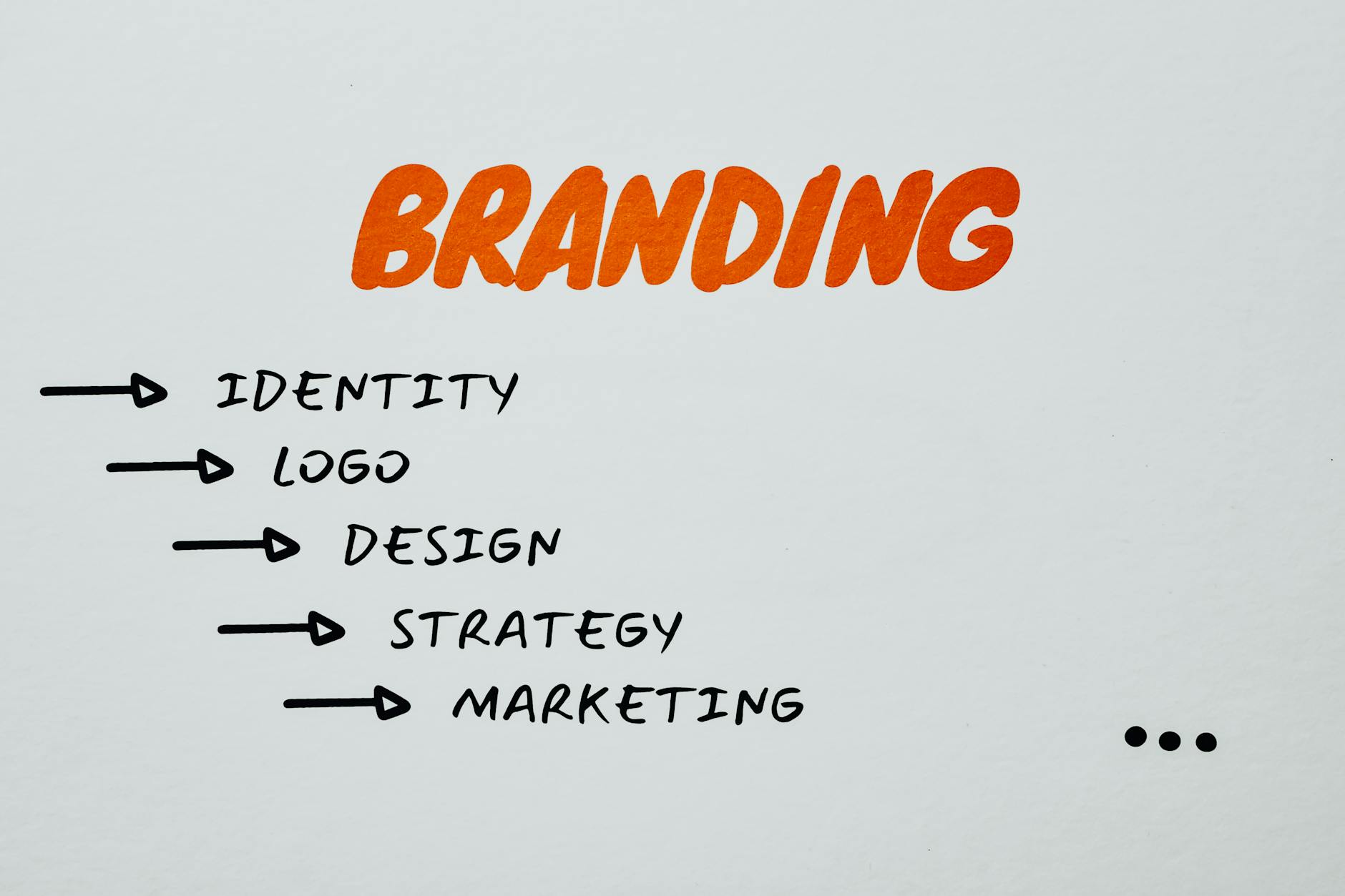
Photo by Eva Bronzini
Developing a Clear Brand Message
Next, formulate a clear and concise brand message. Your message should consistently reflect your values, mission, and offerings across all platforms. Ask yourself: What does your brand stand for? Make sure your message resonates with your identified client personas.
Effective Marketing Strategies for Client Acquisition
With a defined identity, it’s time to attract clients through well-planned marketing strategies.
Utilizing Social Media Marketing
Social media platforms like Instagram, LinkedIn, and Twitter offer excellent opportunities to connect with potential clients. Create engaging content that not only showcases your skills but invites audience participation. Have you ever wondered how people share their best brand stories? Invite your audience into the discussion.
Content Marketing and SEO
Use content marketing and SEO to improve visibility. Blogging about brand perception tips, sharing case studies, or hosting webinars can bolster your consulting services. Optimize your content with keywords relevant to "brand identity" and "client success," making it discoverable across search engines.
Networking within the Industry
Sometimes, success hinges on who you know. Networking is crucial for gaining new client opportunities. Attend industry conferences, connect with other entrepreneurs, and join associations where you can exchange ideas. Every person you meet is a potential link to new clients.
Leveraging Client Testimonials and Case Studies
Don’t underestimate the power of social proof. Showcasing testimonials and case studies clearly demonstrates your success in influencing brand perception. Let future clients read how you transformed another business’s image or enhanced its market reach. This builds credibility and fosters trust.
Offering Free Workshops or Consultations
Sometimes giving away your expertise leads to paying clients. Hosting free workshops or consultations can lower the barrier to entry for potential clients. It offers them a taste of what they can gain while showcasing your skills and knowledge. Think of this as setting the stage for lasting relationships.
The Role of Customer Engagement in Securing Clients
Engagement is essential in turning potential clients into loyal ones.
Building an Online Community
Create forums or social media groups to foster a sense of community. Encourage discussion around brand perception challenges and successes. This two-way dialogue not only engages clients but also informs you about their needs.
Responding to Client Feedback
When clients feel heard, they are more likely to form a partnership. Take client feedback seriously and act on it. Regularly soliciting feedback and adjusting your strategies based on responses enhances your brand perception.
Tracking and Measuring Brand Perception
Understanding your client perception helps you course-correct and refine your strategy.
Using Surveys and Feedback Tools
Implement surveys to gather insights about client feelings towards your brand. Tools like SurveyMonkey or Google Forms can provide quantitative data reflecting your clients' perspectives.
Analyzing Online Reviews and Social Media Mentions
Pay close attention to online reviews and social media interactions. Platforms like Google and Yelp can reveal how clients perceive your brand, while social media mentions can unearth areas for improvement.
Conclusion and Action Steps
In this competitive landscape, securing clients for your brand perception business requires strategy and thoughtful execution. From understanding brand perception to implementing effective marketing strategies, a clear focus on your target audience is crucial.
Start by conducting market research and creating detailed client personas. Build a robust brand identity through a memorable logo and clear messaging, while strategically engaging clients through social media and networking.
Now go ahead—implement these strategies, and watch as your brand perception business flourishes with new clients!

Michael Harper is a Senior Content Strategist at MarketInsider.co, a premier source for insights on digital marketing and business trends. With over 15 years of expertise in content development and strategic communications, Michael is renowned for his ability to craft compelling narratives that resonate with diverse audiences. He holds a Bachelor’s degree in Journalism from New York University and a Master’s degree in Business Administration from Columbia Business School. Outside of work, Michael is passionate about historical literature and enjoys hiking the trails of the Pacific Northwest.