How to Craft a Logo for Your Textile Art Business
Creating a logo that truly reflects your textile art style is crucial for making a lasting impression on potential customers. This guide provides a practical approach to logo design, enabling you to create a unique and impactful logo that aligns with your business goals and resonates with your target audience.
This guide will walk you through the essential steps in designing a logo that stands out from the competition and establishes your textile art business. Using the Logo Maker Shop's tools, you can create a memorable logo that sets the stage for future success.
Understanding Your Textile Art Brand Identity
A compelling logo stems from a strong brand identity. First, define the essence of your textile art. What makes your work unique? What emotions do you want your art to evoke? Consider the core values of your brand – are you playful or sophisticated? Creative or traditional? Understanding these aspects will greatly influence your logo design choices. Use the Logo Maker Shop's vast resources to find inspiration for your textile art logo. These resources provide a starting point for your design journey.
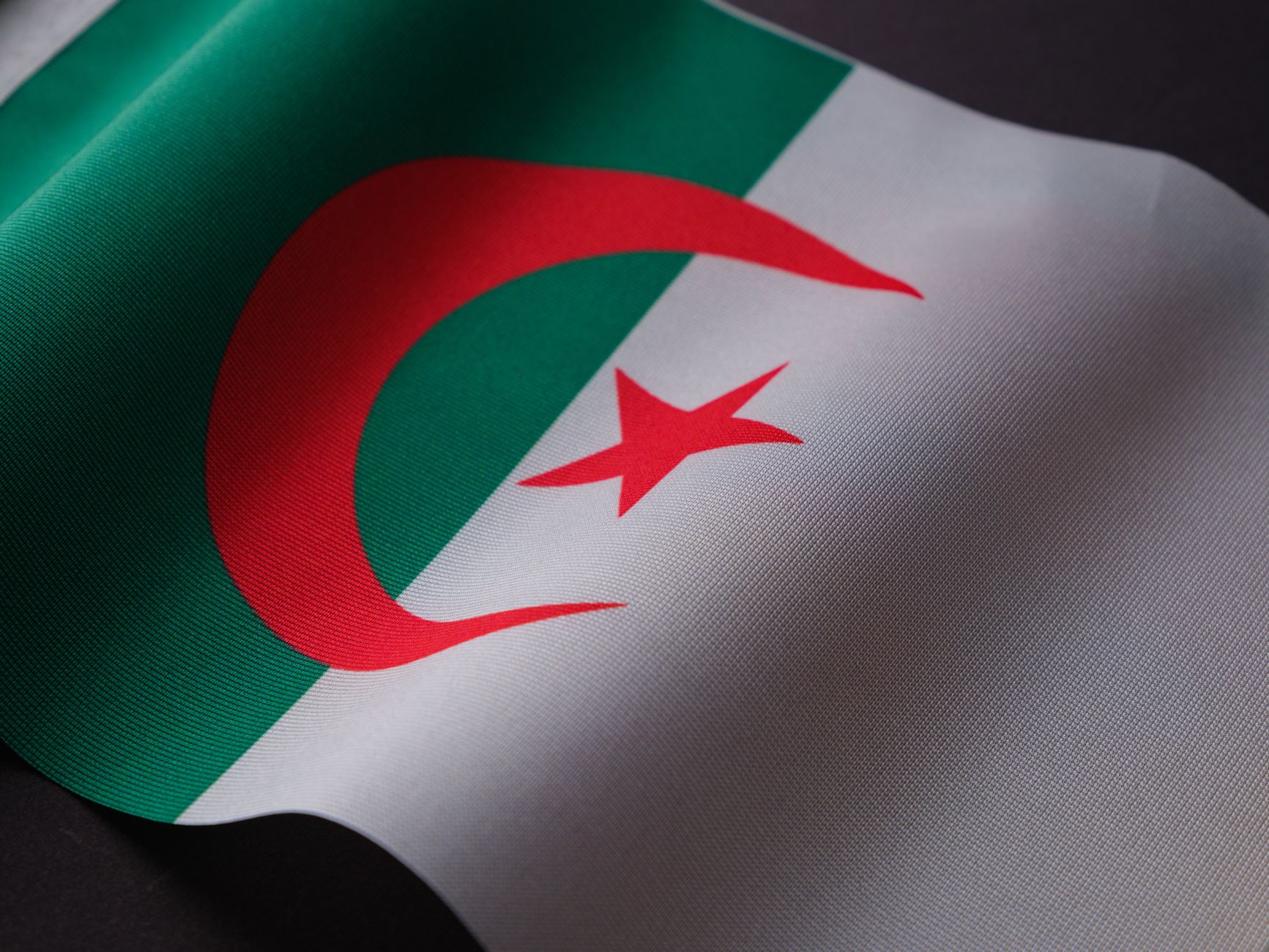 Photo by Engin Akyurt (https://www.pexels.com/@enginakyurt)
Next, identify your target audience. Knowing your audience's needs, preferences, and motivations is essential. Are your customers seeking traditional textile art or something more contemporary? Knowing their interests and demographics will guide your logo's color choices, font selection, and overall aesthetic, ensuring it truly connects with your target market.
Logo Design Essentials for the Textile Art Industry
A well-designed logo can significantly impact your textile art brand perception. Professionalism is key in this industry. A thoughtfully designed logo can foster trust and confidence in your brand.
Choosing a Unique and Memorable Design
Originality is paramount. Your logo needs to stand out from competitors. Explore different design ideas relevant to your textile art style. Visual consistency is important. A unified design aesthetic across all your brand materials is vital for brand recognition. Utilizing the Logo Maker Shop’s resources is a great way to explore different design ideas and ensure cohesiveness.
Color Palette and Typography
Colors play a vital role in evoking specific emotions. Consider the colors that align with your brand's personality and the overall mood you wish to convey. Font selection also significantly impacts your brand's perception. The right font choices can convey professionalism and emphasize your brand's personality. Use the Logo Maker Shop's resources for font inspiration and recommendations.
Bringing Your Logo to Life in Real-World Applications
Creating Consistent Brand Materials
Maintain consistency in all your brand materials. Use the Logo Maker Shop's templates to create collateral materials that perfectly align with your new logo design and maintain visual consistency. This consistency is critical to establishing brand awareness and recognition, helping solidify a brand image in the minds of consumers.
Making Your Logo Adaptable
Ensure your logo remains effective across various media, from websites to social media profiles. Consider the versatility of your logo to ensure its usability on varied platforms. A flexible design is essential for consistent brand representation across multiple platforms.
Conclusion
This comprehensive guide provides a structured approach to creating an impactful logo for your textile art business. Your logo is a powerful tool that can establish your brand and resonate with your target audience. Remember, thoughtful planning and execution of your logo design directly impact the success and perception of your textile art business. Now, begin your logo design journey with confidence!

Michael Harper is a Senior Content Strategist at MarketInsider.co, a premier source for insights on digital marketing and business trends. With over 15 years of expertise in content development and strategic communications, Michael is renowned for his ability to craft compelling narratives that resonate with diverse audiences. He holds a Bachelor’s degree in Journalism from New York University and a Master’s degree in Business Administration from Columbia Business School. Outside of work, Michael is passionate about historical literature and enjoys hiking the trails of the Pacific Northwest.