How to Create a Logo for My Own Telehealth Case Management Industry
Creating a logo is an essential step in establishing your brand, especially in the telehealth case management industry. A well-crafted logo not only conveys your business's identity but also instills trust and reliability in potential clients. In this guide, we’ll explore how to create a logo tailored for your telehealth case management business, ensuring it resonates with your audience.
Understanding the Telehealth Case Management Industry
The telehealth case management industry is unique. It combines healthcare and technology to support patients remotely. Your logo should reflect this blend of professionalism and compassion, showcasing your commitment to providing accessible care.
The Importance of Branding in Telehealth
Effective branding is crucial in the healthcare sector, particularly in telehealth. Your logo is often the first impression potential clients will have of your services. A strong brand identity builds trust, which is foundational in healthcare. When clients see a logo that reflects professionalism and reliability, they are more likely to engage with your services.
Key Elements of Telehealth Branding
When designing your logo, consider these essential elements:
- Professionalism: Use clean lines and professional fonts to convey competence.
- Empathy: Incorporate imagery or colors that evoke warmth and understanding.
- Accessibility: Ensure your logo is easy to read and understand, reinforcing the idea that help is just a click away.
This thoughtful approach will help your logo stand out and effectively communicate your brand's values.
Steps to Create a Logo for Your Telehealth Case Management Business
Creating a logo can feel daunting, but breaking it down into manageable steps makes it easier. Let’s walk through the process together.
Define Your Brand Identity
Start by clarifying your mission, vision, and values related to telehealth. Ask yourself:
- What is the core purpose of your service?
- How do you want clients to feel when they interact with your brand?
- What values are most important to you?
By answering these questions, you can create a strong foundation for your logo design.
Research Your Audience and Competitors
Understanding your target audience is key. Consider the demographics of your clients—what are their needs and expectations? Spend some time researching competitors to see what works well for them. This will give you insights into effective branding strategies in the telehealth space.
Gather Inspiration for Your Logo
Inspiration can come from various sources. Browse online resources like design blogs, Pinterest, and specific logo inspiration sites. For tailored designs, explore the Logo Maker Shop, which offers a range of logo ideas. Creating a mood board can also help consolidate your vision.
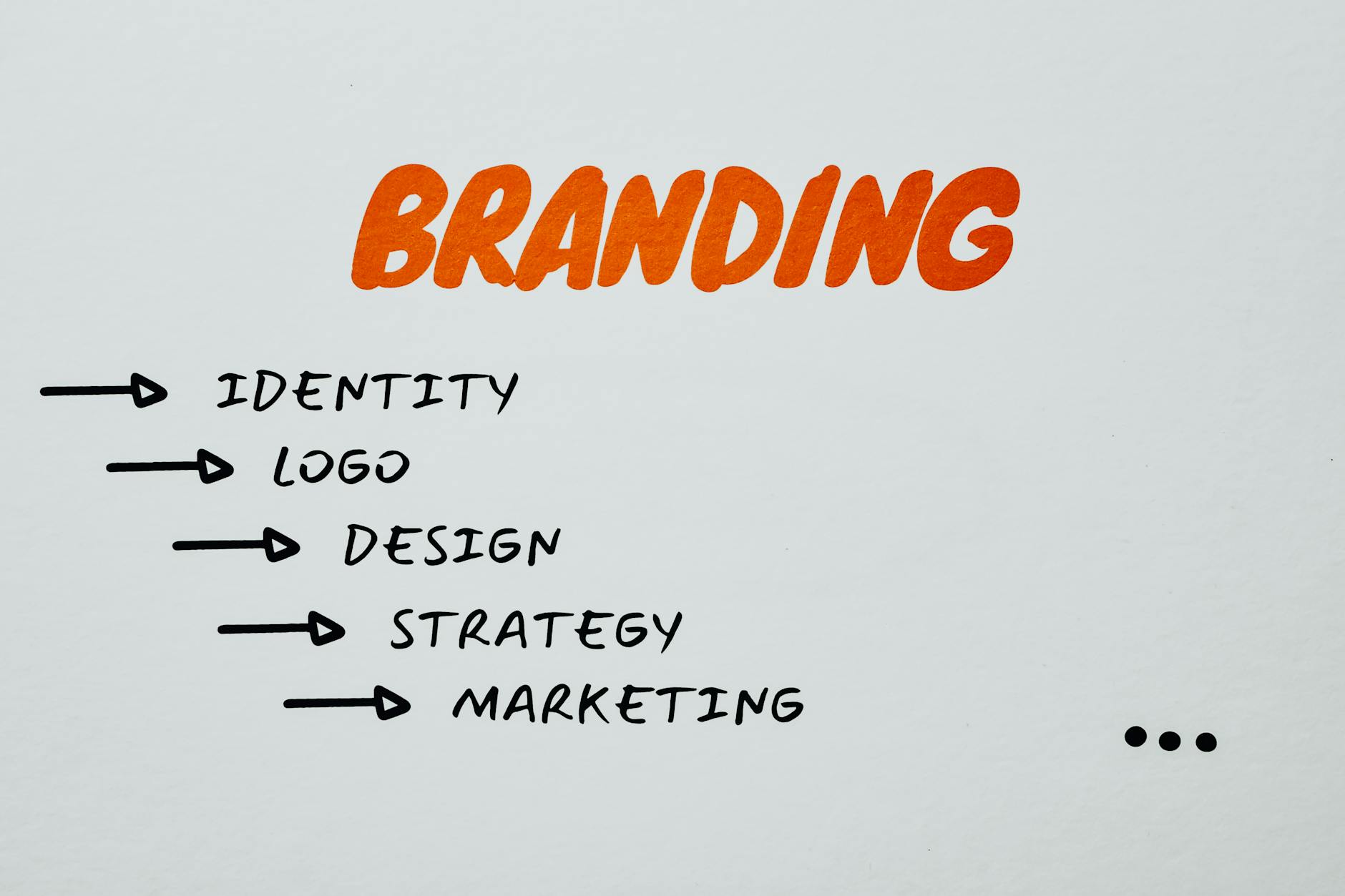 Photo by Eva Bronzini
Choose the Right Logo Style
There are different styles of logos, each with its own impact:
- Wordmark: A logo that focuses on your brand’s name.
- Letterform: A logo using the initials of your brand.
- Iconic: A logo that incorporates a symbol to represent your services.
For telehealth, you may want to lean towards simple, clear designs—ensuring any iconography used is universally understood.
Select Colors and Fonts that Reflect Your Brand
Color plays a significant role in your logo's perception. Here are a few color meanings:
- Blue: Trust and professionalism.
- Green: Health and growth.
- Red: Urgency and passion.
Choose fonts that are easy to read while reflecting your brand's identity. A combination of a clean sans-serif font with a softer accent font can communicate professionalism and empathy.
Use the Logo Maker Shop to Design Your Logo
The Logo Maker Shop provides excellent tools to assist you in designing your logo. Its platform is user-friendly, allowing you to create a unique logo without needing extensive design experience. Experiment with different elements until you find what feels best for your brand.
Finalizing Your Logo Design
Once you’ve crafted your logo, it’s vital to refine and review it.
Seek Feedback Before Finalizing
Gather input from colleagues, potential clients, and industry experts. Their perspectives can offer valuable insights and help you identify areas for improvement.
Ensure Versatility and Scalability
Your logo should look great in various formats, whether on business cards, websites, or social media profiles. Make sure it maintains clarity and impact regardless of size.
Integrating Your Logo into Your Brand Identity
Once your logo is finalized, it’s time to integrate it across all your branding efforts.
Applying Your Logo Across Different Platforms
Establish consistency by using your logo on your website, social media, and printed materials. Consistent use of your logo will help reinforce brand recognition and trust.
Creating a Brand Style Guide
Consider developing a brand style guide that outlines logo usage, color palettes, and font styles. This guide will serve as a reference to maintain consistency as your brand grows.
Conclusion
Creating a logo for your telehealth case management business may seem like a challenging task, but it’s a crucial step in building your brand. By understanding your industry, defining your brand identity, and utilizing the right resources, you can design a logo that resonates with your audience. A strong logo will not only represent your business but also build the trust and recognition essential for success in the healthcare sector. Now, go ahead and take action! Your journey to creating an impactful logo starts today.

Michael Harper is a Senior Content Strategist at MarketInsider.co, a premier source for insights on digital marketing and business trends. With over 15 years of expertise in content development and strategic communications, Michael is renowned for his ability to craft compelling narratives that resonate with diverse audiences. He holds a Bachelor’s degree in Journalism from New York University and a Master’s degree in Business Administration from Columbia Business School. Outside of work, Michael is passionate about historical literature and enjoys hiking the trails of the Pacific Northwest.