How to Create a Logo for My Own Taxi and Ride-Hailing Industry
Creating a strong logo is fundamental for establishing your brand identity in the taxi and ride-hailing sectors. Your logo isn't just a pretty design; it serves as a visual representation of your business and plays a key role in customer perception. In an industry teeming with competition, a well-crafted logo can set you apart and foster trust with your clients.
Understanding the Role of a Logo in Taxi and Ride-Hailing Businesses
Your logo functions as the face of your company. It’s often the first thing potential customers see, making it a vital piece of your overall branding strategy.
Brand Recognition
A thoughtfully designed logo aids in customer recognition. Think of brands like Uber or Lyft; their logos are instantly recognizable. When customers see your logo, you want them to associate it with quality service and reliability. A strong logo can enhance brand recall, making it easier for clients to choose your services over others.
Trust and Professionalism
In the transportation industry, customers value trust and professionalism. A polished logo communicates these qualities right from the get-go. It tells potential passengers that your business is reliable, safe, and competent. When they see your logo on vehicles or marketing materials, it reinforces that message.
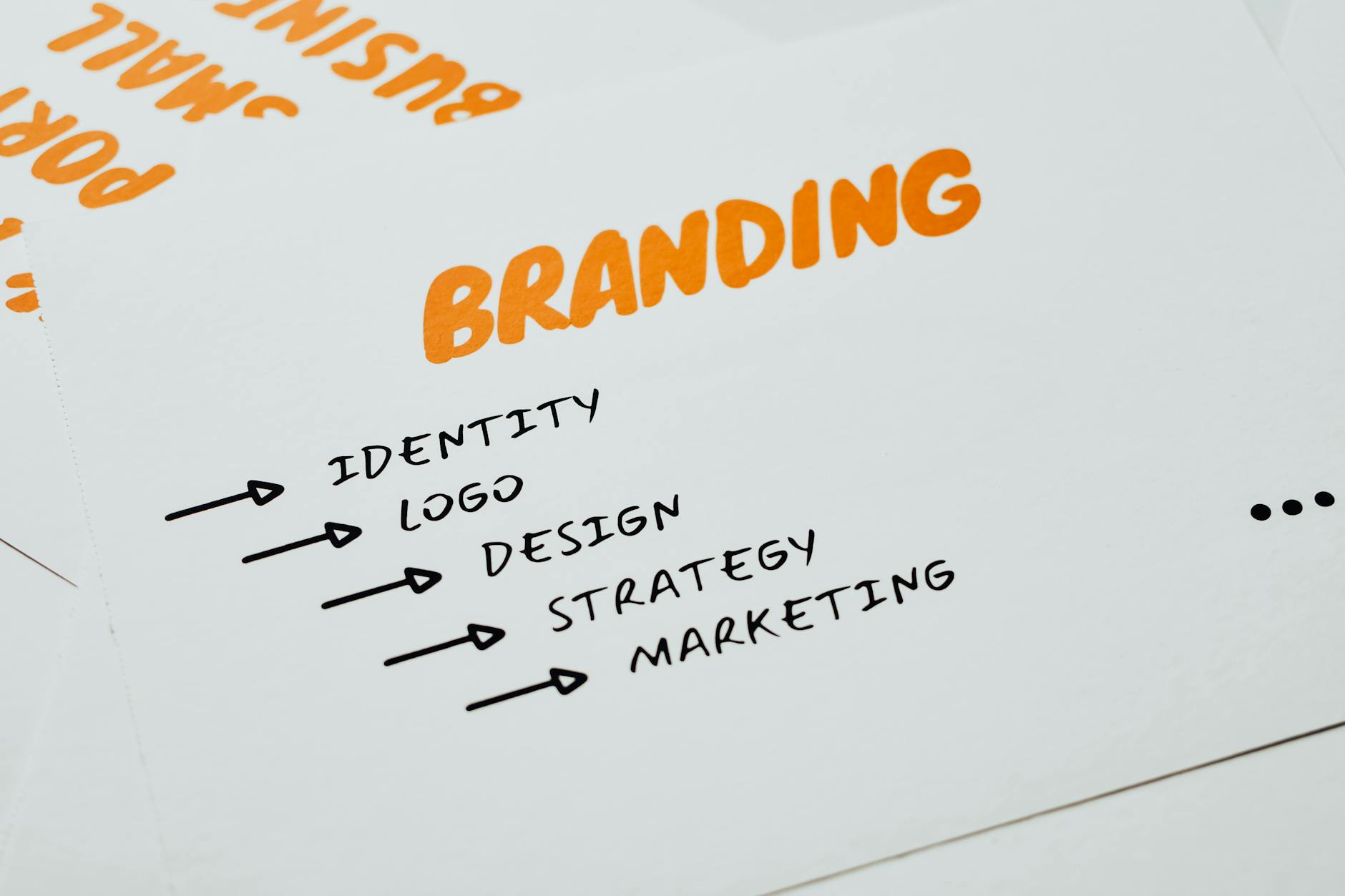
Photo by Eva Bronzini
Steps to Create a Logo for Your Taxi and Ride-Hailing Business
Crafting the perfect logo may seem daunting, but by breaking it down into manageable steps, you can create something truly special. Let’s guide you through the process using the Logo Maker Shop.
Defining Your Brand Identity
Start by figuring out what you want your logo to communicate. What are the core values of your business? Are you emphasizing speed, comfort, or safety? Write down keywords that resonate with your brand’s mission. This foundational step helps in creating a logo that reflects your business’s ethos.
Researching Competitors and Trends
Check out what your competitors are doing. Are there common themes or colors? Make a note of what you like and don't like in other logos. Understanding industry trends can inspire your own design while ensuring yours stands out. This is essential for avoiding clichés and effectively positioning your brand.
Utilizing the Logo Maker Shop for Design
One of the most efficient ways to design your logo is by using the Logo Maker Shop. This user-friendly platform allows you to create a logo tailored to your brand's needs. You can browse through templates, customize colors, and tweak fonts until you find the perfect fit. For more insights on using this tool, check out How to Create Logos with Logo Maker Shop.
Colors and Fonts Selection
Colors evoke emotions and convey meaning. For transportation, colors like blue can represent trust and dependability, while yellow can suggest friendliness and accessibility. Pair your colors with the right fonts. A clean, modern font aligns well with the tech-savvy nature of ride-hailing services. Selecting colors and fonts thoughtfully ensures that your logo communicates the right message.
Testing and Feedback
Once you’ve crafted a design you like, gather feedback from potential customers and trusted peers. This is crucial; what makes sense to you may not resonate with your audience. Use their input to make adjustments. This iterative process can lead to a refined logo that truly meets your goals.
Common Logo Mistakes to Avoid
Designing a logo is not just about creativity; it requires strategic thinking. Here are some common pitfalls to watch out for.
Overcomplication
Simplicity is key. A cluttered logo can confuse customers and dilute your message. Aim for a clean, straightforward design that’s easy to recognize and remember. Think of iconic logos—they are usually simple yet impactful.
Ignoring Brand Values
Your logo should mirror your brand values. If your taxi service focuses on luxury, your logo should come across as elegant and upscale. Misalignment between your logo and your brand can create customer confusion and mistrust.
Finalizing and Launching Your Logo
After perfecting your design, it’s time to launch. Here’s how to make a splash.
Creating Logo Variations
Prepare your logo in various formats for different applications. You'll need different sizes and orientations for your website, business cards, and car decals. This flexibility ensures your branding remains consistent across all platforms.
Integrating Your Logo into Branding Materials
Start incorporating your logo into every aspect of your business. From your app interface to your website and physical marketing materials, a cohesive branding strategy increases familiarity and trust among customers.
Success Stories: Effective Logos in the Taxi and Ride-Hailing Industry
Learning from the best can inspire your own logo journey.
Case Study: Successful Logo Examples
Look at Uber and Lyft—they each have distinctive logos that represent their brand well. Uber’s logo is sleek and modern, while Lyft’s has a friendlier vibe. Both choices reflect their target audiences effectively. This diversity in design shows that there’s room for different styles in this industry.
Conclusion and Next Steps
In summary, a well-crafted logo is a cornerstone of your branding effort within the taxi and ride-hailing industry. It’s not just about creating an image; it’s about telling your brand's story. Now that you know how to create a logo for your own Taxi and Ride-Hailing Industry, it’s time to start designing. Dive into the Logo Maker Shop today, and take the first step towards building a visual identity that resonates with your customers!
Consider this your invitation to create a logo that distinguishes your business in a crowded market. Your logo journey begins now—let's make it a memorable one!

Michael Harper is a Senior Content Strategist at MarketInsider.co, a premier source for insights on digital marketing and business trends. With over 15 years of expertise in content development and strategic communications, Michael is renowned for his ability to craft compelling narratives that resonate with diverse audiences. He holds a Bachelor’s degree in Journalism from New York University and a Master’s degree in Business Administration from Columbia Business School. Outside of work, Michael is passionate about historical literature and enjoys hiking the trails of the Pacific Northwest.