Creating a Logo for Your Synthetic Flavor Industry
A well-designed logo is crucial for establishing your brand identity in the synthetic flavor industry. It’s the first thing your customers see, and it plays a significant role in how they perceive your brand. Creating your own logo doesn't have to be daunting, especially with the help of tools like the Logo Maker Shop, which provides a user-friendly platform to design logos that reflect your unique business.
Understanding Your Brand in the Synthetic Flavor Industry
To design a logo that resonates, you need to understand your brand's mission and values. This understanding serves as a foundation for your logo design and influences how your audience interacts with your brand.
Defining Your Brand's Mission and Vision
Start by clarifying your business goals. What do you intend to achieve? Ask yourself questions like, “What message do I want to convey through my brand?” These answers will serve as a blueprint for your logo.
For example, if your company specializes in natural flavors, your logo should reflect freshness and purity. On the other hand, if you focus on innovative synthetic flavors, aim for a design that suggests creativity and modernity.
Identifying Your Target Audience
Knowing your target audience is equally important. How does your audience perceive flavor in their experiences? Tailoring your logo to appeal to your ideal customer can significantly impact its effectiveness. Consider demographics like age, preferences, and lifestyle—these insights can guide design choices, such as color schemes and typography.
Finding Inspiration for Your Logo
Inspiration can come from numerous sources. Gather ideas to create a compelling logo that stands out in the crowded flavor market.
Researching Competitors and Market Trends
Analyze your competitors’ logos and branding materials. This can provide valuable insight into market trends and help you understand what works well within your industry. Look for gaps where you can differentiate your brand—this could be in color choice, iconography, or style.
Utilizing Design Tools for Inspiration
Tools like Pinterest and Behance are excellent for finding design inspiration. Browse through curated boards or collections related to your industry to spark new ideas. Create mood boards to visualize how different elements can come together in your logo.
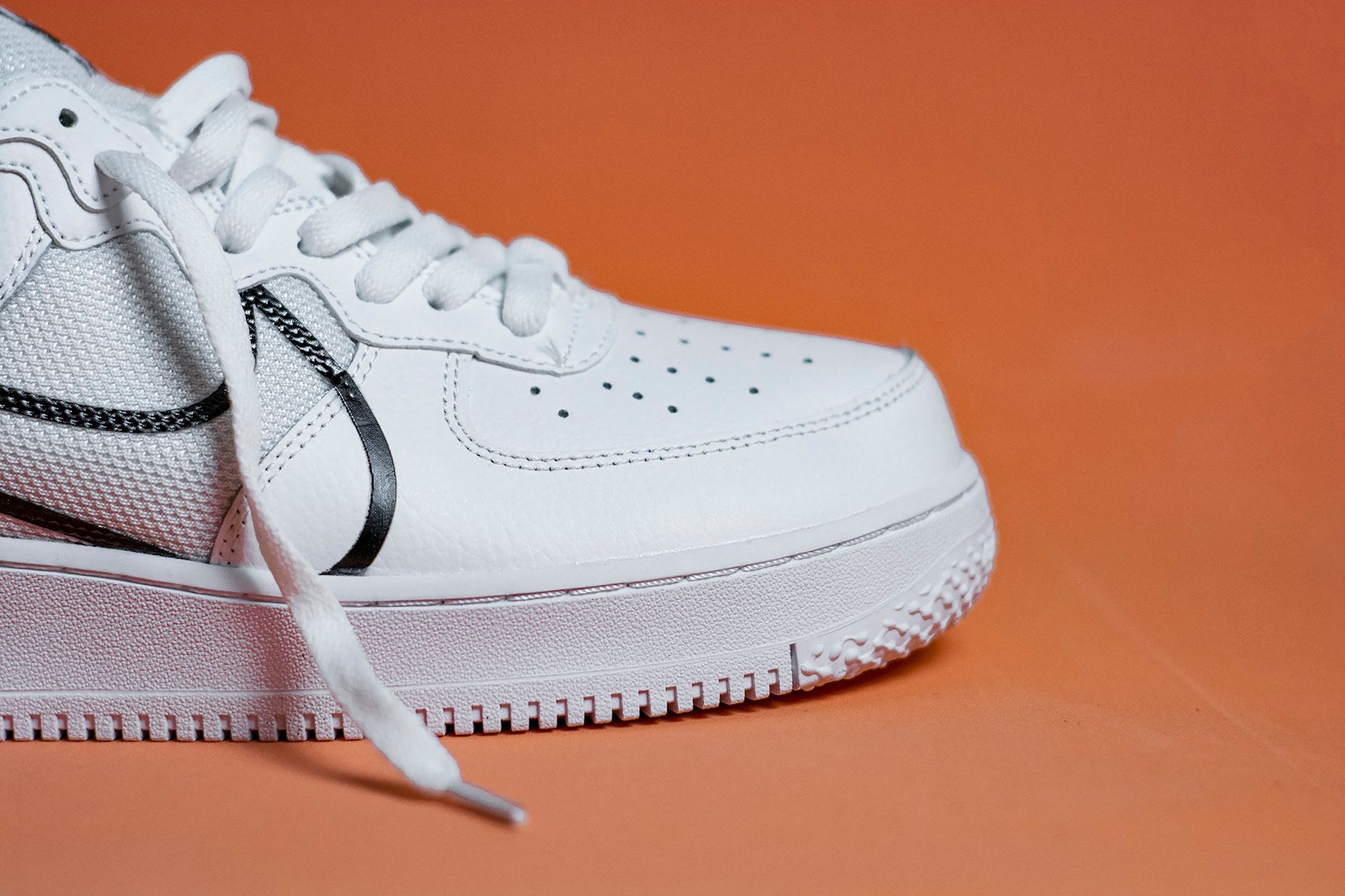 Photo by Gustavo Gimenez
Choosing the Right Logo Style
The style of your logo must reflect your brand's identity and can significantly influence customer perception.
Types of Logos: Wordmarks, Symbols, and More
Consider the different types of logos available. Here are a few styles to think about:
- Wordmark: This is text-based and can be effective if your brand name is unique and memorable.
- Letterform: If your brand relies on initials, a letterform logo can provide a sleek look.
- Symbol: These are icon-based designs that can effectively convey your brand's essence.
Color Psychology in Logo Design
Colors evoke emotions and can dramatically impact how your logo is perceived. For instance, green often signifies freshness and health, while red can evoke energy and excitement. Choosing the right color scheme is vital for resonating with your target audience. Research color psychology to align your choices with the message you want to convey.
Creating Your Logo Using the Logo Maker Shop
Ready to create your logo? The Logo Maker Shop offers a simple, step-by-step guide to help you design an impactful logo.
Step-by-Step Logo Creation Process
- Choose Your Logo Style: Select which type of logo resonates with your brand.
- Enter Your Brand Name: The tool allows you to input your brand name for customization.
- Select Graphics: Choose icons or images that complement your brand's identity.
- Customize Colors and Fonts: Play with different color palettes and fonts that align with your brand message.
- Preview Your Design: Check how your logo looks in various contexts before finalizing it.
Refining Your Design
Don’t rush the process! Get feedback from peers or target audience members on your designs. Make revisions until you’re satisfied. This stage is essential to ensure your logo conveys the right message effectively.
Finalizing Your Logo Design
Once you're happy with your logo, it's time to finalize it.
Testing Your Logo Across Different Media
Ensure your logo looks great on various platforms—websites, business cards, packaging, and social media. Test visibility and recognition at smaller sizes as well.
Protecting Your Logo Rights
Consider copyrighting or trademarking your logo to protect your brand identity. This legal step is crucial for safeguarding your intellectual property in a competitive market.
Putting Your Logo to Work
Now that your logo is ready, it’s time to integrate it into your branding and marketing efforts.
Using Your Logo on Digital Platforms
Showcase your logo on all digital platforms. Make it visible on social media profiles, your website, and email signatures to build brand recognition.
Incorporating Your Logo in Packaging and Products
Your packaging is as much a part of your brand as the logo itself. Use your logo consistently on product labels, promotional materials, and promotional products to reinforce your identity and create an appealing consumer experience.
Conclusion
A well-designed logo is essential for success in the synthetic flavor industry. It anchors your brand identity, connects with your audience, and differentiates your offerings from competitors. Now that you understand how to create a logo for your own synthetic flavor industry, take the plunge with a DIY approach, and get started with the Logo Maker Shop today. Your unique brand deserves a visual identity that stands out!

Michael Harper is a Senior Content Strategist at MarketInsider.co, a premier source for insights on digital marketing and business trends. With over 15 years of expertise in content development and strategic communications, Michael is renowned for his ability to craft compelling narratives that resonate with diverse audiences. He holds a Bachelor’s degree in Journalism from New York University and a Master’s degree in Business Administration from Columbia Business School. Outside of work, Michael is passionate about historical literature and enjoys hiking the trails of the Pacific Northwest.