How to Create a Logo for My Own Sustainable Remodeling Industry
Creating a logo is more than just putting words and graphics together; it's about crafting a visual identity that resonates with your audience. In the sustainable remodeling industry, your logo plays an essential role in conveying your brand values and attracting customers who share your commitment to eco-friendliness. So, how can you effectively design a logo that reflects your sustainable ethos? Let's explore the process step by step.
Understanding Your Brand Identity
Your brand identity is the foundation for your logo. In the sustainable remodeling sector, this identity hinges on your commitment to environmentally friendly practices, materials, and designs. Ask yourself: what does sustainability mean for your business, and how can it be reflected visually in your logo?
Defining Sustainability in Your Business
Consider the aspects of sustainability that your remodeling business prioritizes. Are you focusing on energy-efficient materials, waste reduction, or perhaps using locally sourced resources? Once you've defined what sustainability means for your business, think about how these principles can influence your logo's design.
Incorporating Eco-Friendly Colors
Color choice is crucial in logo design, especially for a sustainable brand. Colors like greens, browns, and earthy tones can evoke feelings of nature and environmental consciousness. For instance, a vibrant green symbolizes growth and eco-friendliness, making it ideal for a remodeling business focused on sustainable practices.
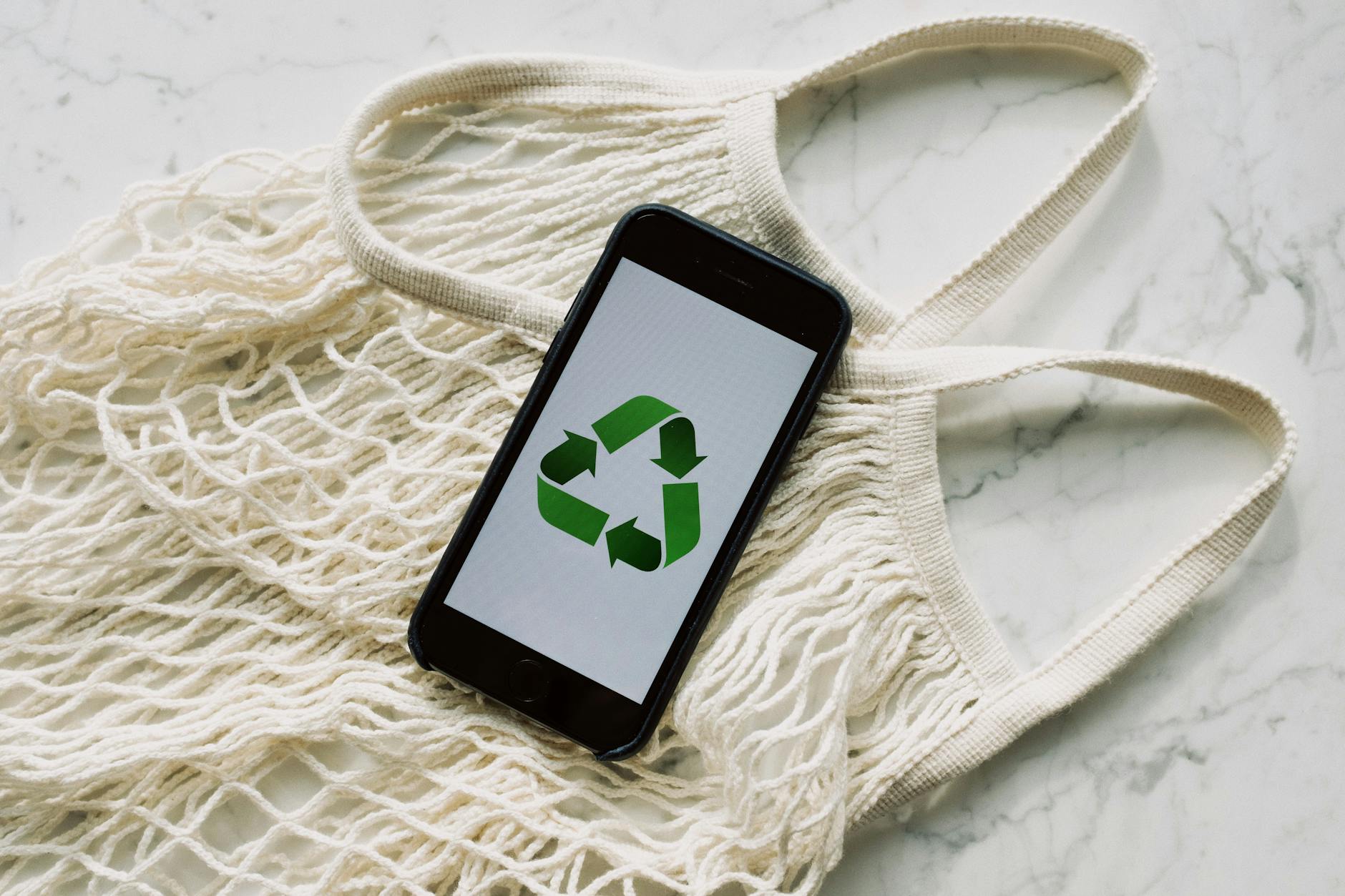
Photo by ready made
Finding Inspiration for Your Logo
Every creative endeavor begins with inspiration. For your sustainable remodeling logo, inspiration can come from various places.
Researching Competitors
Analyzing your competitors' logos is an excellent starting point. Not only does it highlight common themes in your industry, but it also helps you differentiate your brand. What do you like or dislike about their logos? Discovering this can guide you in crafting a unique visual identity.
Utilizing Design Tools and Resources
To simplify the logo creation process, consider using tools like the Logo Maker Shop. This resource offers templates and customization options specifically tailored for sustainable brands, enabling you to design an eye-catching logo that reflects your ethos.
Choosing the Right Design Elements
Every element in your logo should serve a purpose. Selecting the right components can create a cohesive and impactful design.
Logo Styles Suitable for Sustainable Brands
Different logo styles can convey your brand's message differently. Wordmarks, which consist of only your business name, are straightforward and effective if your name is catchy. Emblems can incorporate both text and graphic elements, which might work well for representing sustainability visually.
Typography Selections
The font you choose can also express your commitment to sustainability. Opt for fonts that are clean and easy to read, as they suggest professionalism. Avoid overly decorative styles that may distract from your message.
Types of Logos to Consider
Understanding various logo types can help you decide which fits your sustainable remodeling business best.
Wordmark vs. Symbol Logos
Wordmark logos focus solely on text, while symbol logos use images or icons to represent a brand. For a sustainable remodeler, a symbol logo could be particularly powerful, potentially using imagery such as leaves or homes to immediately convey your green message.
Combination Logos
Combining text and symbols in your logo design can create a well-rounded representation of your brand. This style allows you to convey more information and establish a stronger connection with your audience — a perfect fit for a business striving to blend functionality with sustainability.
Designing Your Logo Using The Logo Maker Shop
Once you know what your logo should represent, it's time to bring your vision to life with the help of the Logo Maker Shop.
Step-by-Step Logo Creation
- Choose a Template: Start with a template that resonates with your brand.
- Customize: Adjust colors, text, and layouts to fit your identity. Emphasize eco-friendly colors and symbols relevant to sustainability.
- Fine-tune: Play around with various designs until you find your perfect fit.
Finalizing Your Logo Design
After creating your logo, make sure to refine it. Check for clarity in the design, ensuring that it is scalable and looks good in both color and black-and-white formats.
Testing and Feedback
Before you finalize your logo, it’s essential to gather feedback. This will help you ensure that your design resonates with your target audience.
Gathering Opinions from Your Target Audience
Ask friends or potential clients for their input. What emotions does the logo evoke in them? Their insights can provide valuable guidance as you make final adjustments.
Using A/B Testing for Logo Variations
A/B testing can also be an effective tool. Create two versions of your logo and see which one your audience prefers. This real-world feedback will guide your final decision, ensuring your logo appeals to your target demographic.
Implementing Your Logo Across Branding Materials
Once your logo is ready, it’s time to put it to work across your branding materials.
Branding Materials to Consider
Your logo should appear consistently on business cards, websites, brochures, and even social media profiles. Building a coherent brand image across all platforms is vital for recognition.
Maintaining Consistency
Consistency is essential in branding. Make sure that the colors, fonts, and styles you use match your logo across all platforms. This creates a unified look and helps reinforce your brand’s identity.
Creating a logo that reflects your commitment to sustainability in the remodeling industry takes thought, time, and creativity. By following these steps, you'll develop a logo that resonates with your audience and differentiates your brand in a competitive marketplace. Remember, your logo is not just a design; it’s an embodiment of your values and mission, and it can significantly impact how potential customers perceive your business. So take the leap, and start designing a logo that not only looks good but also tells your story!

Michael Harper is a Senior Content Strategist at MarketInsider.co, a premier source for insights on digital marketing and business trends. With over 15 years of expertise in content development and strategic communications, Michael is renowned for his ability to craft compelling narratives that resonate with diverse audiences. He holds a Bachelor’s degree in Journalism from New York University and a Master’s degree in Business Administration from Columbia Business School. Outside of work, Michael is passionate about historical literature and enjoys hiking the trails of the Pacific Northwest.