How to Create a Logo for My Own Sustainable Herbal Farming Industry
Creating a logo isn’t just a fun design project; it’s an essential step in establishing your brand within the sustainable herbal farming industry. An effective logo can enhance brand recognition, convey your business's values, and set the tone for how potential customers perceive your products. Let’s dive in and explore how to create a memorable logo that truly reflects your commitment to sustainable herbal farming.
Understanding Sustainable Branding
What is Sustainable Branding?
Sustainable branding refers to the practice of promoting a brand’s commitment to environmentally friendly and socially responsible practices. In the herbal farming industry, this means highlighting how your farming methods protect the ecosystem, promote biodiversity, and support ethical labor practices.
As you design your logo, think about how these values can be communicated visually. Your logo should not only catch the eye but also convey the heart of your brand's mission.
Importance of Sustainability in Herbal Farming
Sustainability isn’t just a trend; it’s becoming a cornerstone of consumer choice. According to studies, customers are more likely to support brands that demonstrate a commitment to environmentally friendly practices. When your logo embodies these sustainable values, it fosters trust and loyalty, making a lasting impression on your audience.
Defining Your Brand Identity
Identifying Core Values
Before you dive into logo design, it's crucial to define the core values of your sustainable herbal farming business. Start by asking yourself:
- What motivates your farming practices?
- How do you envision your impact on the environment?
- What ethical standards do you uphold?
Here are some key values to consider:
- Eco-Friendliness: Highlighting your commitment to safe, organic farming methods.
- Community Support: Engaging with local communities and providing fair wages.
- Health and Wellness: Promoting products that enhance well-being.
Target Audience Identification
Understanding who your ideal customers are is crucial. Are they health-conscious individuals looking for organic remedies? Are they eco-friendly consumers who prioritize sustainable brands? Spend time researching your target audience’s preferences, demographics, and values. This information will help shape not only your logo but also your brand message.
Gathering Inspiration for Your Logo
Researching Existing Brands
A great way to gather inspiration for your logo design is to study existing brands within the sustainable space. Look at their logos, colors, and messaging. What works and what doesn’t? This research can help you find a unique angle for your brand while also identifying pitfalls to avoid.
Creating a Mood Board
Compile a mood board with images, colors, and typography that resonate with your brand. This tool will help visualize your ideas and refine your design direction. Pin images of herbs, nature, or other brands that inspire you. Use this board as a reference point throughout the design process.
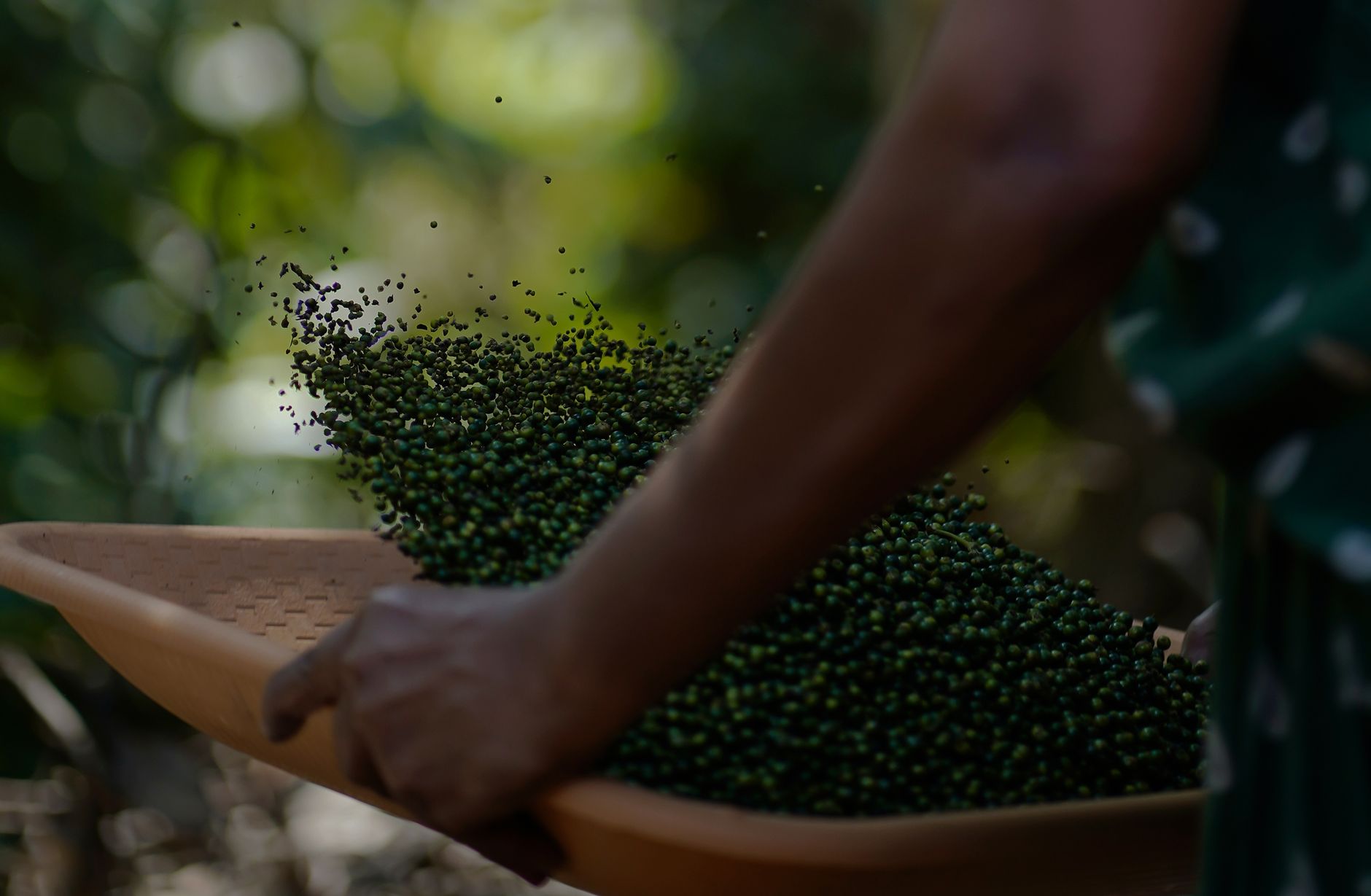 Photo by Nandhu Kumar
Choosing Logo Style and Type
Types of Logos Suitable for Herbal Farming
Your logo can take on various forms, each with its own unique emphasis:
- Wordmark: A text-based logo focusing on the brand name, ideal if you want to make your name memorable.
- Letterform: A single letter or initials can represent your brand, offering a clean and professional look.
- Symbol: A graphic icon that reflects your brand’s essence, perfect for creating a strong visual identity.
Understanding these different types will help you choose the right style that resonates with your intended message.
Determining Aesthetic Style
A logo's aesthetic can be crucial in conveying your sustainable ethos. Here’s what to consider:
- Color Palette: Green tones often represent health, nature, and sustainability. Earthy hues can signify warmth and connection to the land.
- Font Choice: Select a font that reflects your brand’s personality. Organic styles often work well for herbal brands.
- Shapes and Symbols: Consider using shapes that represent growth (like leaves) or wellness (like a circle representing community).
Creating Your Logo with Logo Maker Shop
Step-by-Step Logo Creation Process
Using a reliable service like Logo Maker Shop can simplify your design process. Here’s a quick guide to creating your logo:
- Start with the Logo Maker: Access the tool and input your business name and preferences.
- Select an Imagery Style: Choose design elements that reflect your sustainable mission.
- Customize Your Logo: Play around with fonts, colors, and symbols until it feels just right.
- Review Options: Look at different variations and see what resonates with your values.
Refining Your Logo Design
Once you have a draft of your logo, seek feedback. Show it to friends, family, or members within your industry. Their insights can help you refine the design. Remember, it’s okay to iterate; sometimes, the best designs come after multiple rounds of feedback.
Finalizing and Using Your Logo
Testing Your Logo Across Mediums
Ensure your logo performs well across various mediums. Test it on:
- Packaging: How does it look on product labels?
- Marketing Materials: Is it visible and clear on flyers or social media?
- Online Presence: Does it retain clarity in different sizes?
Implementing Your Logo in Branding
Once finalized, it’s time to implement your logo. Place it strategically on your product packaging, website, and marketing materials. Consistent use of your logo can reinforce brand identity and make your brand memorable.
Conclusion
Creating a logo for your sustainable herbal farming business is a rewarding endeavor. By defining your brand identity, gathering inspiration, selecting the appropriate style, and using tools like Logo Maker Shop, you can design a logo that captures your essence and resonates with your audience. Now, take the leap and start crafting a logo that reflects your commitment to sustainability and draws customers to your brand!

Michael Harper is a Senior Content Strategist at MarketInsider.co, a premier source for insights on digital marketing and business trends. With over 15 years of expertise in content development and strategic communications, Michael is renowned for his ability to craft compelling narratives that resonate with diverse audiences. He holds a Bachelor’s degree in Journalism from New York University and a Master’s degree in Business Administration from Columbia Business School. Outside of work, Michael is passionate about historical literature and enjoys hiking the trails of the Pacific Northwest.