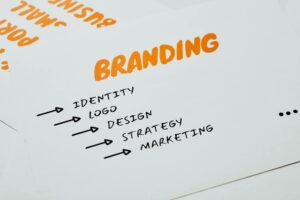
How to Create a Logo for My Own Retail Analytics Industry
A strong logo is crucial for any business, especially in the retail analytics industry. It reflects your brand identity and creates a lasting impression on potential clients. Your logo isn’t just a piece of art; it’s a part of your company's story and communicates your mission in an instant. This guide will walk you through the essential steps to design a logo that encapsulates your brand's essence and appeals to your target audience.
Understanding the Retail Analytics Industry
What is Retail Analytics?
Retail analytics involves analyzing data related to retail operations to improve sales, enhance customer experiences, and streamline inventory management. In today's competitive market, businesses rely on data-driven insights to make informed decisions. This industry encompasses various techniques, including customer segmentation, sales forecasting, and market basket analysis. Your logo should resonate with these analytical aspects and reflect a sense of precision and innovation.
Target Audience Overview
Your typical customers in the retail analytics space might include retail managers, marketing teams, and business analysts. They seek actionable insights and solutions that help them thrive in a complex market. Understanding their needs will help inform your logo design decisions and ensure you communicate the right message.
Defining Your Brand Identity
Identifying Brand Values
Your brand values are the principles that guide your business. It’s essential to translate these into visual elements for your logo. For example, if your analytics focus on sustainability, consider incorporating green elements into your logo. A thoughtful approach to design illustrates your commitment to your customers’ values and can create a deeper connection with them.
Crafting Your Brand Story
Every successful logo tells a story. Think about your company’s journey and the mission that drives you. A compelling narrative can significantly influence your logo design process. For instance, if you started with a passion for helping retailers optimize their operations, consider how that story can translate into visual cues—perhaps through data-inspired graphics or modern typography.
Steps to Create a Logo for Your Retail Analytics Business
Utilizing Logo Maker Shop
For a seamless logo design experience, start with the Logo Maker Shop. This user-friendly tool offers a variety of templates and customization options tailored to your unique vision. You don’t need to be a graphic designer to create a professional logo that reflects your brand identity.
Gathering Inspiration
Draw inspiration from various sources within the retail analytics sector. Look at competitors, research successful brands, and explore current design trends. Create a mood board to compile your findings and visualize how different elements could come together in your logo. Pinterest and design blogs can be excellent sources for visual inspiration.
Choosing Logo Style and Type
Logos can be categorized into different styles, including wordmarks, symbols, and combination logos. For a retail analytics logo, you might favor:
- Wordmark: Focused on your brand name, using distinctive typography.
- Symbol: A unique graphic that represents your brand, which can enhance memorability.
- Combination: Integrates both text and symbols for a holistic representation.
Think about which style resonates with your brand’s identity and consider your target audience.
Selecting Color Schemes and Fonts
The colors and fonts you choose play a pivotal role in how your brand is perceived. Colors evoke emotions, while fonts convey personality. For instance, blue may symbolize trust and professionalism—attributes vital in analytics. Additionally, choose fonts that reflect modernity and clarity, ensuring readability across different platforms.
 Photo by Abhinav Goswami
Creating and Refining Your Logo
Start drafting your logo using the Logo Maker Shop. Experiment with different designs, colors, and fonts. Create multiple iterations and be open to feedback. Refining is a critical part of the design process, so take your time to ensure your logo meets your expectations and accurately represents your brand.
Testing and Evaluating Your Logo
Gathering Feedback from Stakeholders
Once you have a few designs, gather feedback from stakeholders—employees, clients, and even friends. Their insights can uncover aspects you may have missed or validate your choices. Consider using online surveys or focus groups to collect diverse opinions.
Assessing Market Reception
After implementing your logo, monitor its reception in the market. Look for feedback through customer interactions and digital analytics. Does it resonate with your target audience? Are people remembering your brand? Assessing its impact can help you make informed adjustments.
Using Your Logo Effectively
Branding Collateral
Ensure your logo is consistently represented across all branding materials. This includes business cards, websites, and marketing assets. Consistency builds recognition and reliability in the eyes of your clients.
Digital and Social Media Presence
Leverage your logo to strengthen your online presence. Use it on your website, social media profiles, and marketing campaigns. An engaging digital presence will reinforce your brand identity and establish a professional image.
Conclusion
Creating a logo for your retail analytics business is a blend of art and strategy. By understanding your industry and defining your brand identity, you can develop a logo that not only stands out but also resonates with your target audience. The process may feel daunting, but with tools like the Logo Maker Shop and this guide, you're well on your way to creating a logo that encapsulates your vision and sets your brand apart. Start your logo design journey today and watch your retail analytics brand thrive!

Michael Harper is a Senior Content Strategist at MarketInsider.co, a premier source for insights on digital marketing and business trends. With over 15 years of expertise in content development and strategic communications, Michael is renowned for his ability to craft compelling narratives that resonate with diverse audiences. He holds a Bachelor’s degree in Journalism from New York University and a Master’s degree in Business Administration from Columbia Business School. Outside of work, Michael is passionate about historical literature and enjoys hiking the trails of the Pacific Northwest.